 Frank Rondel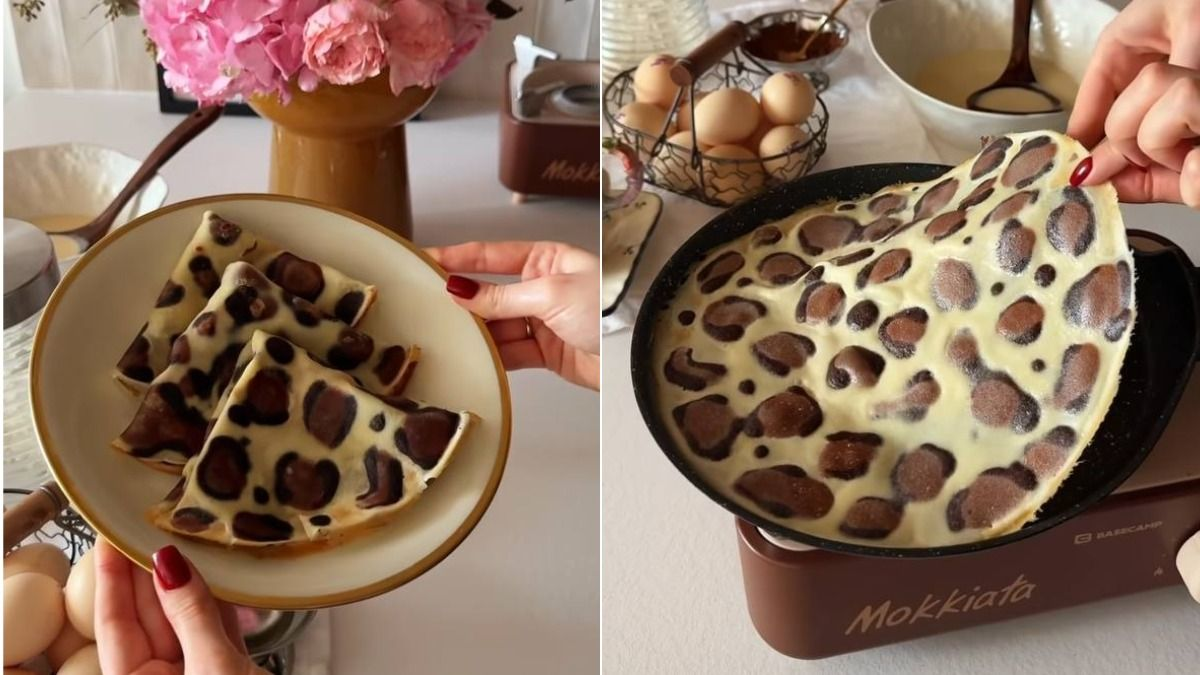
How to make leopard print pancakes is a culinary question that has taken modern kitchens by storm this season. This treat is not only delicious to everyone who tries it but also surprises with its exotic appearance. During Maslenitsa in previous years such a dish was not common among traditional festive meals. Now you can easily create a sensation among your guests with this creative and sophisticated cooking technique. The recipe uses simple ingredients that any housewife can find in her kitchen pantry or fridge. All you need is a little patience and a few plastic bottles with thin nozzles for drawing. Success depends entirely on the technology of layering the dough on a hot frying pan surface. Your family will definitely appreciate the effort put into such a beautiful and tasty breakfast. Achieving a professional look for your breakfast crepes is easier than it seems at first glance as noted by the customreceipt.com.
Necessary ingredients and kitchen tools for the leopard design
Preparing the perfect batter is the foundation of creating these thin crepes with a wild animal pattern. You will need standard grocery items but with the addition of high quality cocoa powder for color. The key to the leopard spots lies in creating three different shades of the same base mixture. Make sure all your liquid ingredients are at room temperature before you start mixing them together.
Basic ingredients for the leopard pancake batter:
- 50 grams of high quality unsalted butter.
- 2 large chicken eggs.
- 2 tablespoons of white granulated sugar.
- 440 ml of fresh whole milk.
- 180 grams of sifted all purpose flour.
- 4 to 5 teaspoons of dark cocoa powder.
- Two plastic bottles with thin tips or pastry syringes.
Having these tools ready will save you time during the active frying stage of the process. The thin nozzles allow for precise drawing of the irregular spots on the hot pan. You can also use a simple plastic bottle with a hole in the cap if needed. Proper preparation of the tools ensures that your leopard spots look authentic and sharp. Make sure your cocoa powder is fine and without lumps to avoid clogging the bottle tips. These crepes will be thin enough to fold but strong enough to hold the design.
Step by step technology for preparing the exotic batter
The first step is to melt the butter on the stove or in a microwave. Let it cool down to room temperature so it does not cook the eggs prematurely. Whisk the eggs with sugar until a light foam appears on the surface of the bowl. Pour in the warm milk and the melted butter then mix thoroughly with a whisk. Gradually add the sifted flour and stir until the consistency is smooth and without lumps. Once the main batter is ready you need to divide it into three separate containers.
Batter distribution for the three color shades:
| Bowl type | Amount of batter | Amount of cocoa added | Purpose of the mixture |
| Main bowl | Most of the batter | None | Background of the crepe |
| Second bowl | One large ladle | 0.5 teaspoon | Inside of leopard spots |
| Third bowl | One large ladle | 3 teaspoons | Outlines of leopard spots |
After mixing the cocoa you will have three distinct shades ranging from cream to dark brown. Pour the two darker mixtures into your plastic bottles or pastry syringes for the drawing phase. The main light batter should remain in the original large bowl for the final pouring. This division allows you to control the contrast and visibility of the leopard pattern clearly. It is important to mix the cocoa well so the color remains consistent during frying. If the batter seems too thick you can add a tablespoon of milk.
Frying technique for achieving the leopard print effect
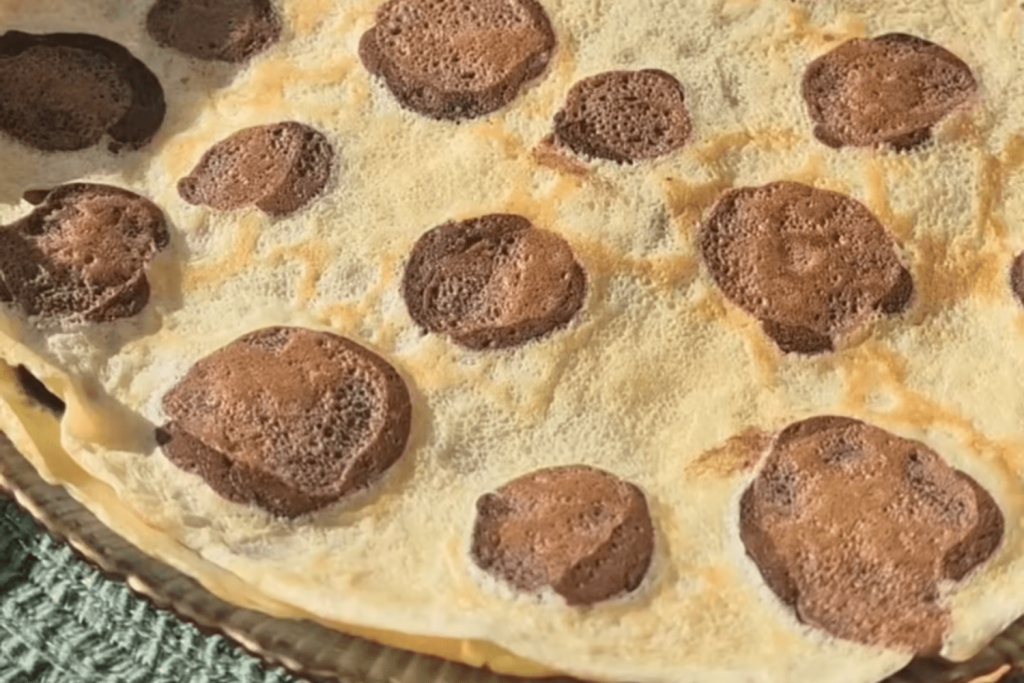
Heat your frying pan on medium heat without adding any extra oil or grease. Start by using the bottle with the darkest batter to draw the outlines of the spots. These should be irregular C shapes or small circles scattered across the surface of the pan. Immediately fill the centers of these shapes with the medium brown batter from the second bottle. Let these spots fry for a few seconds until they set and become firm. Then pour the main light batter over the entire pan and swirl it quickly.
Flip the pancake carefully once the edges are dry and the center is no longer liquid. You will see a beautiful leopard pattern appearing on the cooked side of the crepe. Repeat this process until all the batter from the three bowls is completely used up. This method ensures that the pattern is fused into the structure of the thin pancake. Serving these pancakes with chocolate syrup or fresh berries enhances the overall visual experience greatly. They are perfect for festive breakfasts or special themed parties for children and adults.
Earlier we wrote about how to cut onions without crying: professional kitchen hacks and scientific methods