 Frank Rondel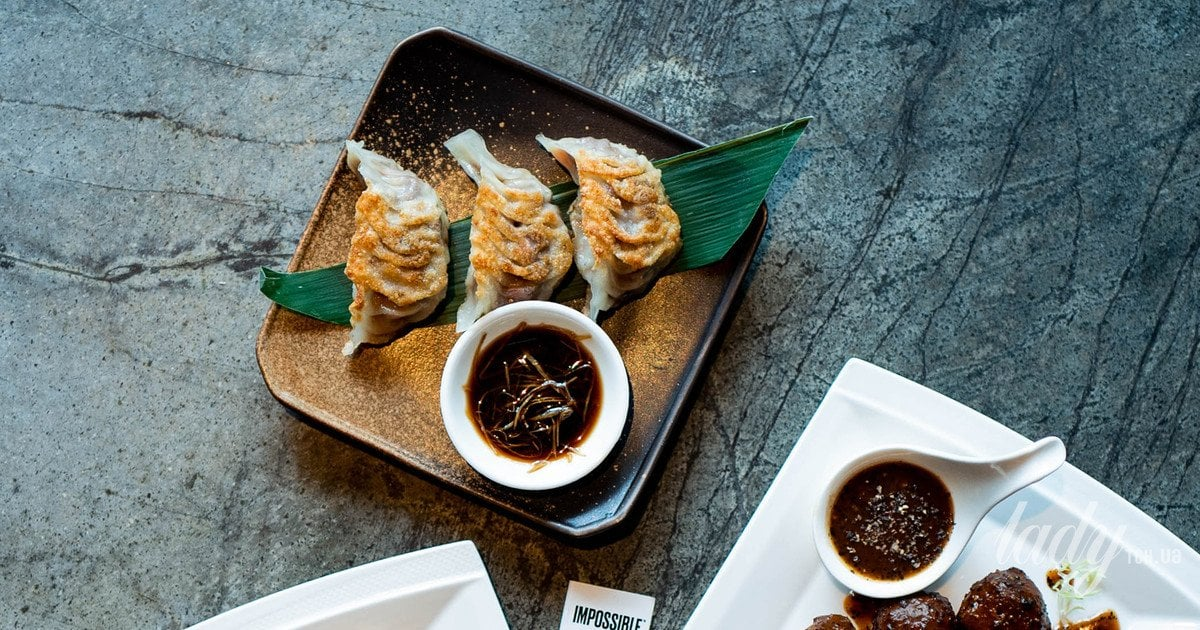
Gyoza with hake and vegetables represents a sophisticated shift in modern culinary trends where Asian traditions meet Mediterranean ingredients. This fusion dish has moved beyond the borders of Japanese cuisine to become a global phenomenon in high end restaurants. Today experts like food blogger Eric Lahuerta are showing home cooks how to master this once complex magic. Using white fish instead of meat creates a lighter and more elegant version of the classic dumpling. The combination of delicate hake and crunchy vegetables offers a perfect balance of textures for any gourmet dinner. Preparing this dish requires a bit of patience but the result looks like a professional menu item. Home cooking is currently embracing these refined techniques to reduce stress while maintaining restaurant quality at the dinner table. This recipe proves that while food fashions change the pleasure of a well prepared meal remains eternal. A detailed look into the preparation and cultural significance of this dish is provided by the customreceipt.com.
Essential ingredients for the perfect fish filling
The secret to an exceptional gyoza lies in the quality of the filling and the thinness of the dough. For the dough you only need basic pantry staples like wheat flour and warm water combined with a pinch of salt. The filling requires fresh hake fillets which provide a mild and tender base for the other aromatic components. Fresh ginger and garlic are indispensable for providing that signature Asian warmth and depth of flavor. Vegetables like carrots and cabbage add much needed moisture and a subtle sweetness to every single bite. Using olive oil for frying gives the dish a distinct Mediterranean accent that sets it apart from traditional recipes.
Key components for the gyoza with hake and vegetables:
- Four hake fillets: provide a tender and lean protein source for the filling.
- Three fresh carrots: added for sweetness and a vibrant color inside the dumplings.
- Half a head of cabbage: crucial for texture and maintaining juiciness during the steaming process.
- Twenty grams of fresh ginger: gives the dish its characteristic spicy and aromatic profile.
- Four garlic cloves: used to enhance the savory notes of the white fish.
- Two hundred grams of wheat flour: the base for creating a thin and translucent dough.
- Olive oil and sesame oil: used for frying and finishing the dish with a rich aroma.
The preparation of the dough is a meditative process that requires at least ten minutes of active kneading. After resting in the refrigerator for two hours the dough becomes elastic enough to be rolled out very thin. This translucency is what defines a professional gyoza and allows the filling to shine through the cooked skin. If the dough is too thick it will become chewy and detract from the delicate fish flavor. Make sure to keep the dough covered with plastic wrap while working to prevent it from drying out. This attention to detail ensures that each dumpling has the perfect ratio of wrapper to filling.
Step by step guide to stuffing and cooking techniques
Once your dough has rested and your fish is cooked it is time to assemble the ingredients. The hake should be fried in olive oil until just done and then carefully broken into small pieces. In the same pan you must sauté the garlic and ginger to release their essential oils before adding vegetables. The cabbage should be cooked quickly so it retains some crunch and does not become overly watery. Mixing the fish with these sautéed vegetables creates a filling that is both fragrant and structurally sound for folding. Proper seasoning with salt and black pepper is vital at this stage to bring all the flavors together.
Cooking and serving parameters for the best results:
| Process stage | Duration | Key technique |
| Dough kneading | ten minutes | knead until elastic and smooth |
| Dough resting | two hours | keep in the fridge under plastic wrap |
| Sautéing aromatics | two minutes | do not burn the garlic or ginger |
| Steaming gyoza | four minutes | add water and cover with a tight lid |
| Bottom frying | three minutes | fry in olive oil until golden brown |
Folding the gyoza into a classic accordion shape takes practice but adds a professional touch to the final presentation. Each circle of dough should have a small amount of filling placed directly in the center of the disc. Use a little water on your finger to dampen the edges before sealing the dumplings firmly to avoid leaks. The cooking method involves a two step process of frying the bottom and then steaming the entire dumpling. This creates a contrast between the crispy base and the tender steamed top that defines the gyoza experience. Serve them immediately while they are hot to maintain the integrity of the textures and the fresh aromas.
Serving suggestions and flavor pairings for gourmet dining
To complete the experience of gyoza with hake and vegetables you must consider the side sauces and drinks. A simple soy sauce dip is the traditional choice but you can enhance it with a drop of sesame oil. Adding a mix of fresh greens or microgreens to the plate provides a visual contrast and a fresh taste. For a true Mediterranean fusion experience consider serving these dumplings with a glass of dry white wine. The acidity of the wine cuts through the richness of the fried dough and complements the light hake. Green tea also remains a classic and healthy option for those who prefer non alcoholic beverages.
These dumplings are not just a meal but a statement of modern culinary creativity in your own kitchen. They fit perfectly into the trend of sophisticated home cooking where quality ingredients take center stage without unnecessary stress. Experimenting with different dipping sauces like spicy mayo or ponzu can further personalize the dish to your taste. Always remember that the quality of the fish is the most important factor in the success of this recipe. Invite friends over to share this unique fusion dish and enjoy the results of your culinary patience. The blend of textures and international flavors is sure to leave a lasting impression on any guest.
Earlier we wrote about Fluffy American pancakes: the perfect recipe for a breakfast that conquered the world