 Frank Rondel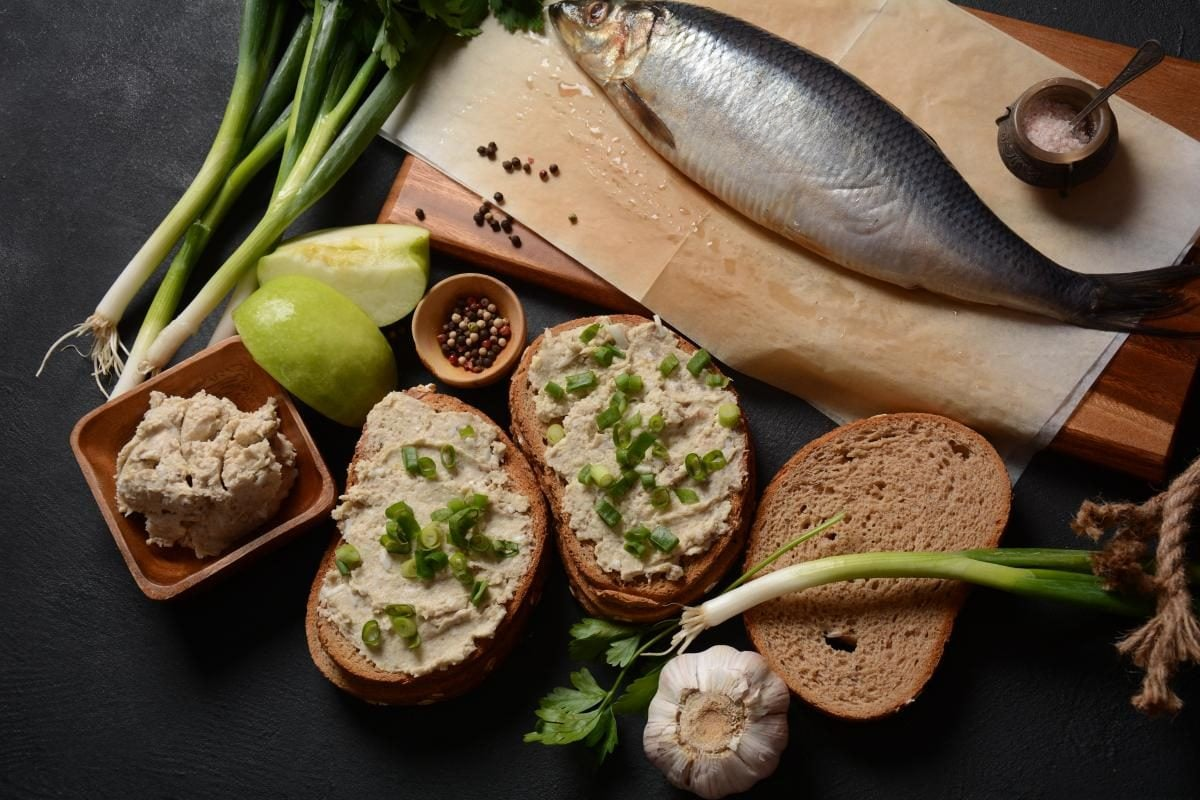
How to prepare forshmak is a question that leads many food enthusiasts to the heart of Jewish culinary traditions. This famous dish is primarily known as a cold appetizer made from finely chopped salted herring mixed with specific ingredients. Historically, the name originates from the German word Vorschmack which literally translates to a foretaste or an introductory snack. It was traditionally served at the beginning of a meal to stimulate the appetite before the main courses. Modern variations range from the classic Odessa style to unique baked versions found in Northern European cuisines. Achieving the perfect balance between the salty fish, tart apple, and creamy butter is essential for success. Most chefs agree that the texture should be distinct rather than a completely smooth puree. Whether you are a beginner or an experienced cook, mastering this recipe adds a sophisticated touch to any table. Detailed culinary guides and historical context for such traditional dishes are often provided by the customreceipt.com.
The history and etymology of a legendary appetizer
The journey of forshmak from a hot meat dish in Prussian kitchens to a cold fish staple is fascinating. Originally, it was a baked dish made of minced meat, herring, and potatoes, popular among the Jewish communities in Eastern Europe. Over time, the recipe evolved, especially in regions like Odessa, where herring became the undisputed star of the composition. Today, it is celebrated as a masterpiece of poor man’s gourmet cooking where simple ingredients create a complex flavor profile. The addition of acidic elements like vinegar or sour apples was a practical way to balance the heavy salt of preserved fish. Understanding its roots helps us appreciate why certain ingredients like onions and eggs remain non negotiable in the mix.
Key components for a successful traditional herring pâté:
- High quality salted herring: the foundation of the dish, ideally slightly soaked if too salty.
- Sour apples: the variety Semerenko or Granny Smith provides the necessary tartness and crunch.
- Hard boiled eggs: these add a velvety texture and help bind the other ingredients together.
- Onions: small amounts of white or yellow onion provide a sharp contrast to the fat.
- Butter: must be softened at room temperature to ensure easy mixing without lumps.
- White bread: soaked in milk, it adds volume and a delicate softness to the mass.
- Spices: typically limited to ground black pepper and occasionally a touch of mustard.
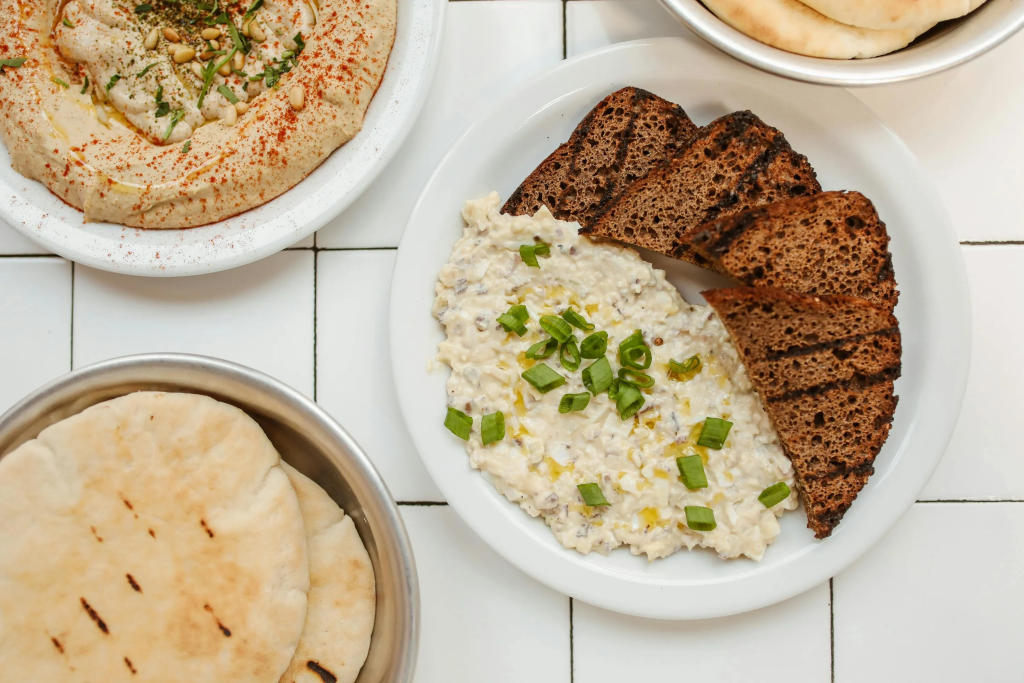
Selecting the right ingredients is only the first step in creating a memorable appetizer for your guests. The method of processing the fish determines whether you have a traditional forshmak or a modern spread. Purists insist on using a sharp knife to hand chop the herring into tiny cubes. This technique ensures that each bite has a structural identity that a blender simply cannot replicate. If you prefer a lighter version, you can reduce the amount of butter and increase the apple ratio. Serving the final product on toasted rye bread or crackers is the most common way to enjoy it.
Authentic step by step preparation guide
To begin the process, you must focus on the preparation of the fish to avoid any unpleasant bones. Start by cleaning the herring, removing the skin, and carefully filleting the meat away from the spine. It is helpful to use kitchen tweezers for any stubborn small bones that might remain in the flesh. Once the fillets are clean, dice them as finely as possible to create a chunky but consistent base. This manual work pays off in the final mouthfeel of the dish which should be rustic yet refined.
Essential proportions for the classic recipe:
| Ingredient | Quantity | Preparation method |
| Herring fillets | two pieces | hand chopped into fine cubes |
| Boiled eggs | two pieces | grated on a fine grater |
| Sour apple | one medium | peeled and finely grated |
| White onion | one small | grated or very finely minced |
| Softened butter | eighty grams | kept at room temperature |
| White bread | one slice | soaked in milk and squeezed |
After preparing all the individual elements, combine them in a deep glass or ceramic bowl for mixing. Add the squeezed bread to the fish first, followed by the eggs, onion, and the grated apple. Incorporate the softened butter last, stirring the mixture gently with a fork until the color is uniform. Some people like to add a teaspoon of lemon juice to prevent the apple from browning too quickly. Let the forshmak rest in the refrigerator for at least one hour before serving to let flavors marry. This resting period is crucial for the fat to stabilize and the spices to permeate the fish.
Creative variations and serving suggestions for gourmet tables
While the classic recipe is unbeatable, modern cooking encourages experimentation with textures and additional flavors. Some chefs like to add walnuts or pecans to the mix for an unexpected earthy crunch. Others prefer to substitute the butter with cream cheese for a smoother and more contemporary spreadable consistency. If you want to honor the older traditions, you can try the baked version with potatoes. This variant is served warm and often acts as a main course during cold winter months.
Tips for a professional presentation:
- Use a metal ring mold to create neat cylinders of forshmak on individual plates.
- Garnish with finely chopped chives or green onions for a pop of color.
- Serve with thin slices of lemon and a few capers for extra acidity.
- Pair with warm, toasted sourdough or traditional Jewish challah bread.
- Offer a side of pickled cucumbers to complement the richness of the butter.
- Sprinkle a small amount of paprika on top for a smoky visual finish.
The versatility of this dish makes it a favorite for festive gatherings and simple family breakfasts alike. It can be prepared a day in advance, which actually improves the overall taste as the ingredients settle. For a lighter snack, try serving the herring mixture inside small hollowed out cherry tomatoes or on cucumber slices. This reduces the carbohydrate content while maintaining the full impact of the savory and tart flavors. Regardless of the version you choose, the key is the freshness of the herring and the balance of acids.
Earlier we wrote about How to Make Traditional Meatless Borscht with Sprats or Mushrooms – Quick & Healthy Guide