 Frank Rondel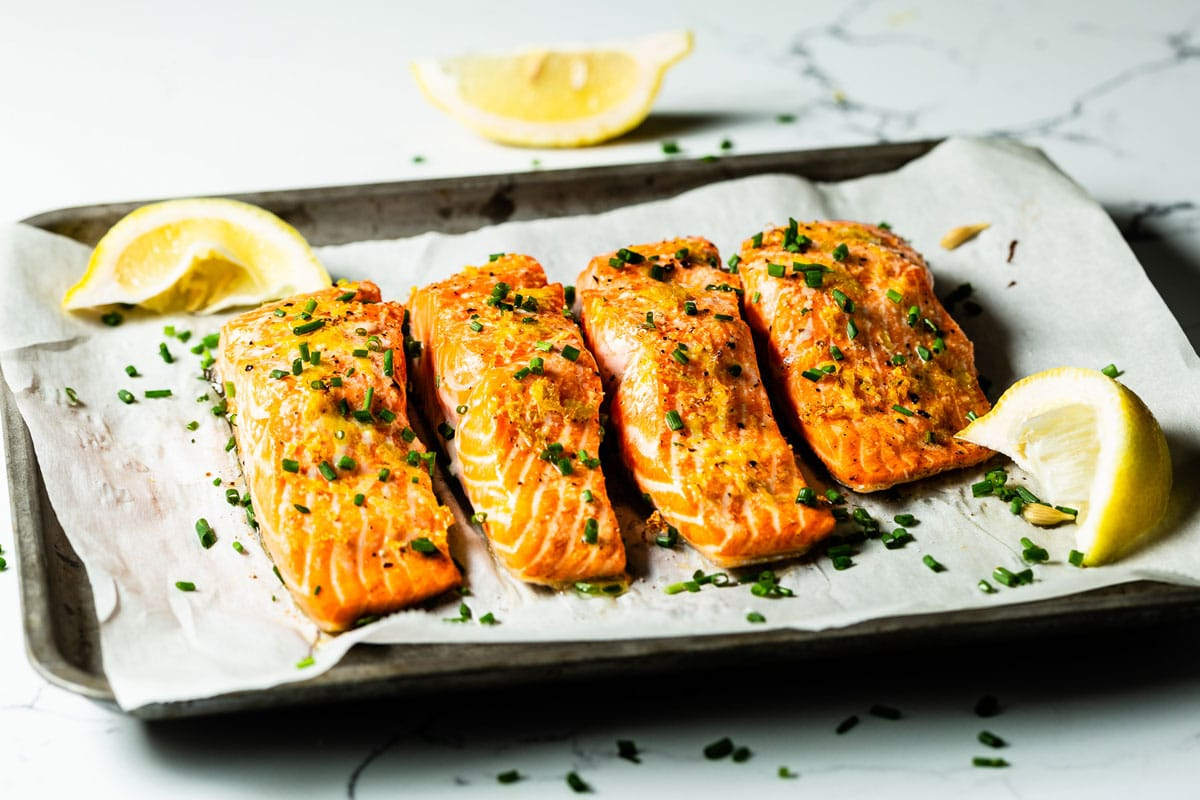
How to cook salmon in the oven is a fundamental skill for anyone looking to embrace a healthier lifestyle without sacrificing flavor. This versatile fish is packed with omega-3 fatty acids and high-quality protein, making it a centerpiece for both casual weeknight meals and elegant dinner parties. Baking is arguably the most forgiving method, as it preserves the moisture of the fish while requiring minimal cleanup or active monitoring.
Whether you are a beginner or a seasoned home cook, mastering the gentle heat of the oven ensures a buttery texture every time, as noted by the customreceipt.com.
Choosing the Right Salmon
The journey to a perfect meal begins at the seafood counter, where the variety can be overwhelming.
You must decide between wild-caught and farmed varieties, each offering a distinct culinary experience. Wild salmon, such as Sockeye or King, tends to have a deeper red color and a more robust flavor due to its natural diet. Farmed Atlantic salmon is generally fattier and milder, which some prefer for its silkier mouthfeel and lower price point.
When purchasing your fish, freshness is the ultimate priority to avoid any metallic or overly pungent aromas. Look for fillets that appear moist and firm, avoiding any with visible bruising or gaps in the flesh. If you are buying frozen, ensure it is vacuum-sealed and thaw it slowly in the refrigerator overnight. Many chefs prefer skin-on fillets because the skin acts as a protective barrier against the heat. This layer of fat under the skin also keeps the meat succulent during the roasting process.
| Salmon Type | Flavor | Fat Content | Best Cooking Method | Price Range |
| King (Chinook) | Rich, Buttery | Very High | Baking, Grilling | Premium |
| Sockeye | Bold, Intense | Medium | Quick Bake, Sear | High |
| Coho (Silver) | Delicate, Mild | Medium | Baking, Poaching | Mid-range |
| Atlantic (Farmed) | Mild, Clean | High | Slow Roasting, Baking | Budget-friendly |
Selecting the right cut is only the first step in your culinary adventure. You should also consider the thickness of the piece, as this dictates your entire timing strategy in the kitchen.
The Perfect Oven Temperature and Timing
The secret to success lies in the balance of heat; 400 degrees Fahrenheit or 200 degrees Celsius is widely considered the sweet spot.
At this temperature, the exterior develops a slight crust while the interior remains tender. However, the clock is your enemy if you lose track of time. Overcooked salmon becomes dry, chalky, and loses its vibrant color, turning a dull opaque pink.
| Fillet Thickness | Temperature | Cooking Time |
| 0.5 inch | 400 F | 8 to 10 min |
| 1.0 inch | 400 F | 12 to 14 min |
| 1.5 inch | 400 F | 14 to 18 min |
Using a digital meat thermometer is the only way to guarantee precision every single time. Aim for an internal temperature of 145 degrees Fahrenheit, though many prefer pulling it at 135 degrees for a medium finish. Remember that carryover cooking will continue to raise the temperature once the fish is removed from the oven. If you don’t have a thermometer, use a fork to see if the meat easily flakes apart.
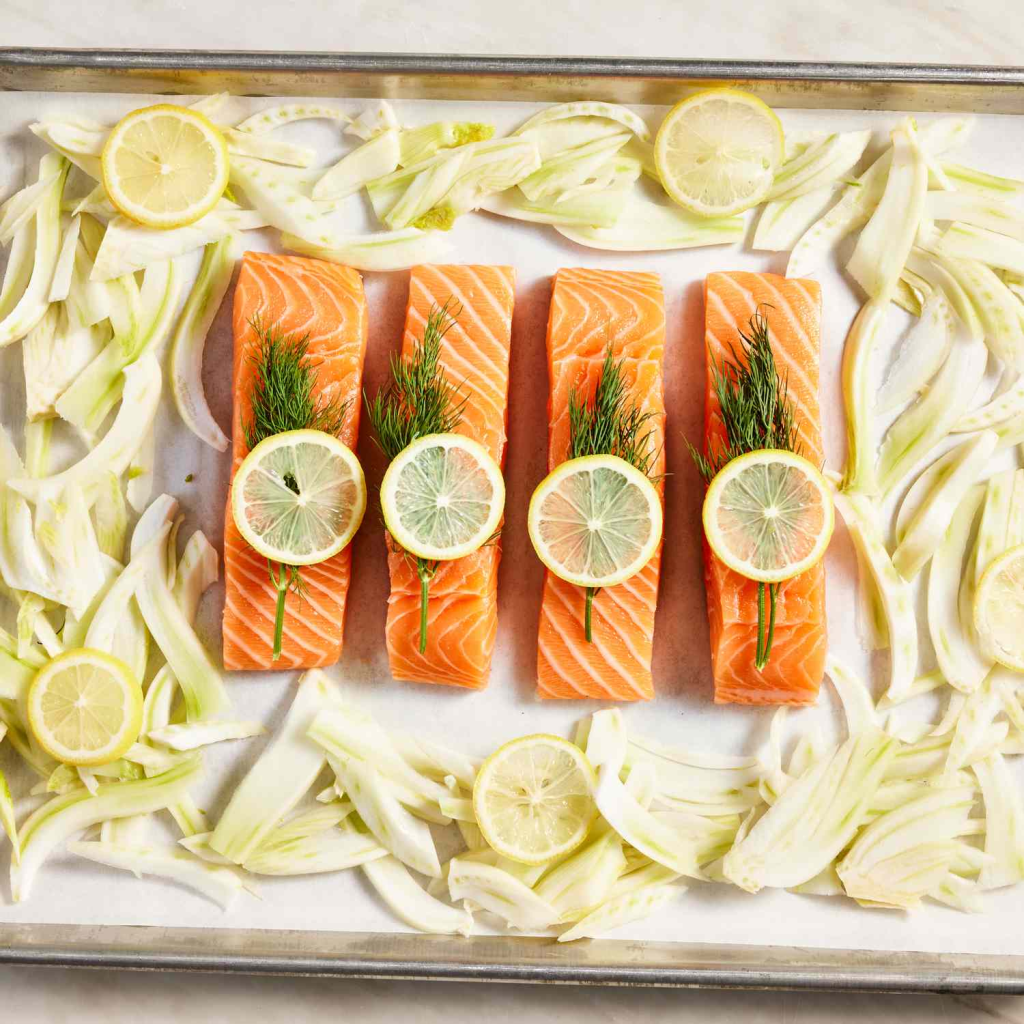
Step-by-Step Baked Salmon Recipe
Step 1 — Pat dry, season both sides
Remove the salmon from the refrigerator and let it sit for about 15 minutes to reach room temperature. Pat the fillets completely dry with paper towels to ensure the oil and seasonings adhere properly.
Step 2 — Line baking sheet with parchment or foil
A baked salmon recipe doesn’t have to be complicated to be delicious. Place the fish on a baking sheet lined with parchment paper, which prevents sticking and makes cleanup effortless.
Step 3 — Bake at 400 F for 12 to 15 minutes
Slide the tray into the center rack of your preheated oven and set a timer immediately.
Step 4 — Optional broil last 2 minutes for crispy top
If you prefer a bit of texture, you can turn on the broiler for the final 60 to 120 seconds of cooking. This creates a beautiful caramelized top that mimics the sear of a professional kitchen.
Step 5 — Rest 3 to 5 minutes before serving
Once finished, allow the fish to rest for several minutes so the juices can redistribute. This short pause makes a massive difference in the final texture of the fillet.
“Cooking is an observation of heat and timing, but with salmon, it is mostly about respecting the ingredient.”
5 Best Salmon Seasoning Recipes
Variety is the spice of life, and the oven baked salmon method accommodates a wide range of flavor profiles. You can transform a basic fillet into a global delicacy with just a few pantry staples. For a classic European feel, mix softened butter with lemon zest, minced garlic, and chopped fresh dill.
- Lemon Dill Butter: Mix 2 tablespoons of butter, 1 teaspoon of dill, and juice from half a lemon.
- Honey Garlic Glaze: Combine 3 tablespoons of honey, 2 tablespoons of soy sauce, and 1 clove of minced garlic.
- Teriyaki: Use a thick teriyaki sauce and sprinkle with sesame seeds after baking.
- Cajun Blackened: Rub the fish with paprika, cayenne, onion powder, and thyme before roasting.
- Mediterranean Herb: Use dried oregano, parsley, and a drizzle of balsamic vinegar.
An easy salmon recipe like the Mediterranean version relies on the quality of the olive oil and the brightness of the vinegar. You will find that these variations keep your meal prep exciting throughout the month. Each profile pairs differently with side dishes, allowing for endless customization.
Side Dishes That Go with Baked Salmon
Selecting the right accompaniment is crucial for a balanced plate.
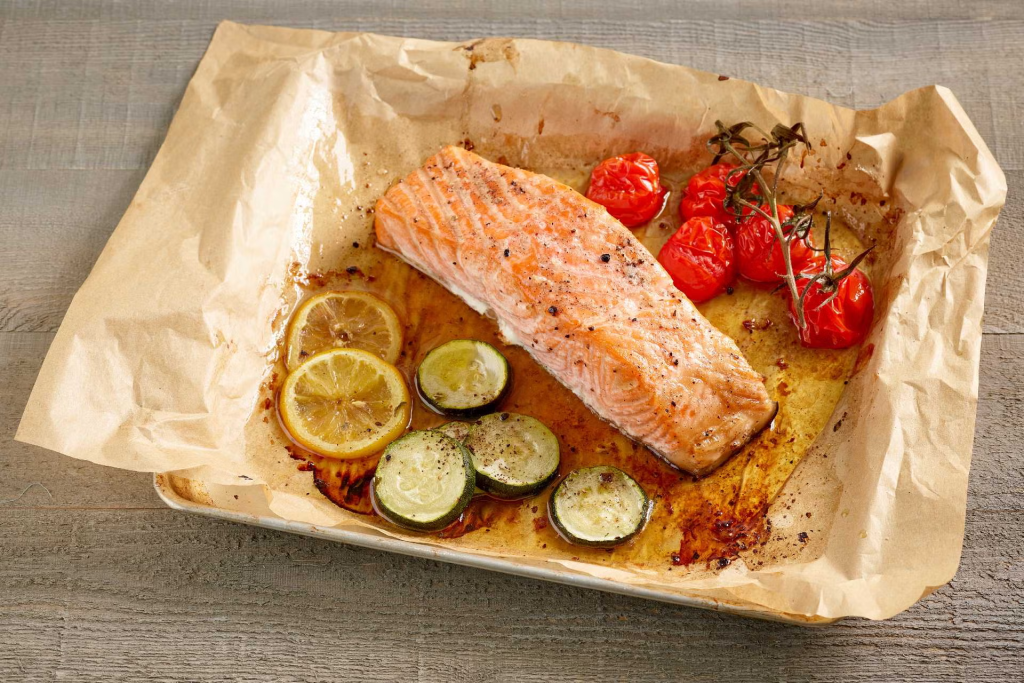
Roasted asparagus is a natural partner, as it can often be cooked on the same baking sheet as the fish. For a more filling meal, a fluffy rice pilaf or creamy mashed potatoes provide a comforting base. If you want to keep things light, a crisp Caesar salad or steamed broccoli with a touch of sea salt works perfectly. These sides complement the richness of the fish without overpowering its natural flavor.
Common Salmon Baking Mistakes
Avoiding common pitfalls is just as important as following the recipe steps precisely. Many people fail because they treat every fillet the same regardless of its size or origin.
| Mistake | Result | Solution |
| Overcooking | Dry, chalky meat | Use a thermometer, aim for 145 F |
| Not patting dry | Soggy, steamed fish | Use paper towels before oiling |
| Ignoring thickness | Uneven cooking | Adjust time based on the thickest part |
| Old fish | Fishy smell/taste | Buy fresh or properly vacuum-sealed frozen |
| Too much sauce | Sliced skin/mushy | Apply glazes in the last 5 minutes |
Always check the “use by” date or trust your nose when selecting your ingredients. If the fish smells like the ocean, it is good; if it smells “fishy,” it is likely too old. Learning how long to bake salmon depends entirely on your specific oven’s calibration and the starting temperature of the fish. Practice makes perfect, so do not be discouraged if your first attempt isn’t restaurant-quality.
FAQ
Can I bake salmon from frozen?
Yes, but for the best results, it is recommended to thaw it first.
Do I need to flip the salmon in the oven?
No, there is no need to flip the fish as the heat from the baking sheet and the circulating air will cook it evenly.
Is it better to bake salmon covered or uncovered?
Uncovered is generally better for a salmon fillet recipe as it allows the moisture to escape, resulting in a better texture.
How do I prevent the white stuff (albumin) from appearing?
Albumin is just a protein that pushes out when the fish is cooked too fast or too long.
Can I eat the skin?
Absolutely, the skin contains high concentrations of omega-3s and can be delicious when crispy.
Mastering the art of the oven is the fastest way to bring healthy, delicious seafood to your table. By choosing high-quality fish and monitoring the internal temperature, you ensure a meal that is both nutritious and satisfying. This method is reliable, easy to clean up, and infinitely adaptable to your favorite flavors.
Earlier we wrote about How to Cook Chicken Breast: Juicy and Tender Every Time