 Frank Rondel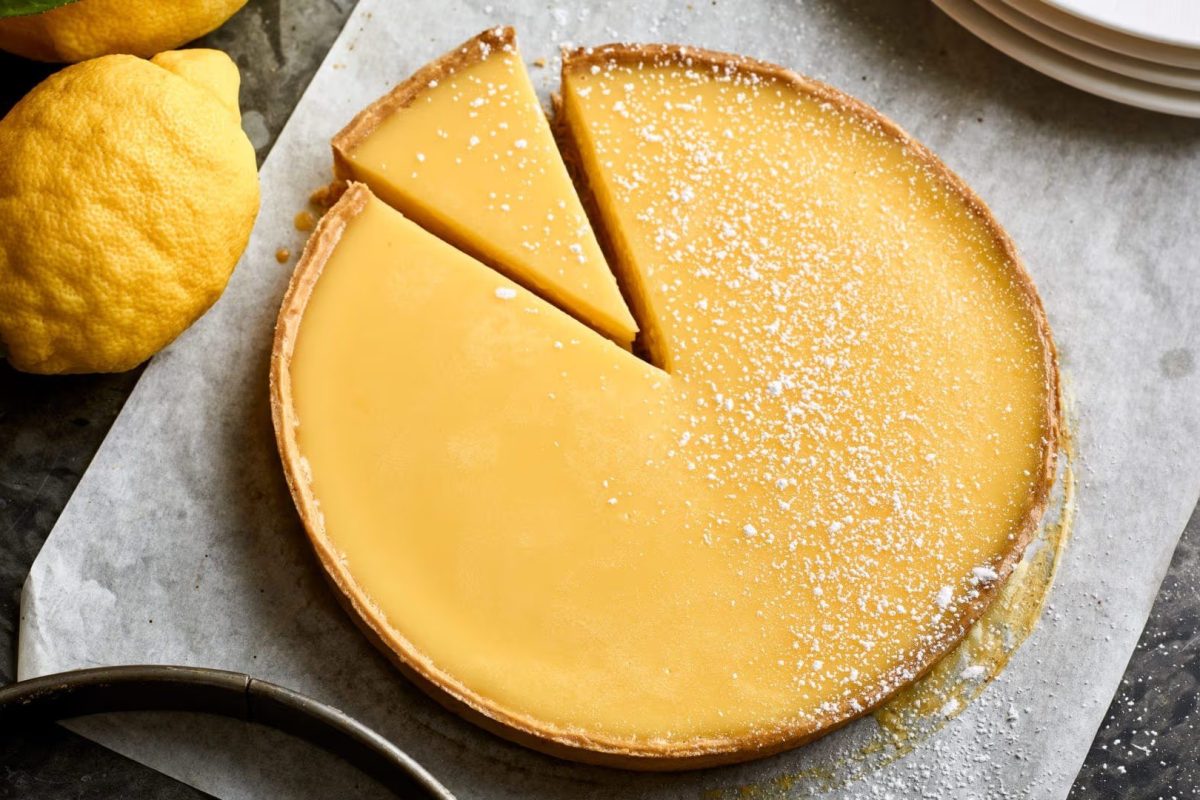
What is a tart? It is an open pastry made from a crisp, shallow shell and a visible sweet or savory filling. Unlike most pies, a tart usually has no upper crust and is removed from its pan before serving, as the customreceipt.com editorial team notes.
The classic version combines buttery shortcrust pastry with custard, chocolate, fruit, nuts, cheese, or vegetables. Its elegant appearance can seem complicated, yet the basic method is manageable at home. The essential steps are chilling the dough, baking the shell correctly, and controlling moisture in the filling.
This recipe explains how to prepare a fruit tart with vanilla pastry cream. It also covers ingredient substitutions, blind baking, common mistakes, storage, and savory alternatives.
What Is a Tart?
A tart is a baked dish prepared in a shallow pan with straight or fluted sides. The pastry forms a thin base and supports an uncovered filling. Traditional tart pans often have removable bottoms, which help release the finished pastry without damaging its edges.
Sweet tarts may contain lemon curd, chocolate ganache, frangipane, custard, berries, apples, pears, or stone fruit. Savory versions can include cheese, onions, tomatoes, mushrooms, eggs, herbs, meat, or seafood.
Most recipes use shortcrust pastry. This dough contains flour, butter, salt, and a small amount of liquid. Sweet pastry may also include sugar, egg, vanilla, or ground almonds.
Small individual tarts are called tartlets. They use the same dough and fillings but bake faster because of their size.
A good tart should have a crisp shell, a stable filling, and enough acidity or salt to balance its richness.
The word “tart” describes a broad group of dishes rather than one fixed recipe. French baking includes fruit tartes, baked custard tartes, chocolate tartes, and rustic versions without special pans.
What Is the Difference Between a Tart and a Pie?
A tart and a pie can contain similar ingredients, but their structure differs. A tart is usually shallow, open, and served outside its pan. A pie is often deeper and may have a pastry lid or lattice.
The shell of a tart is usually firmer than pie pastry. It must remain stable after removal from the pan. Pie crust can be softer or flakier because the baking dish supports it during serving.
| Feature | Tart | Pie |
|---|---|---|
| Shape | Shallow with straight sides | Usually deeper with sloping sides |
| Top | Usually open | Open, covered, or latticed |
| Pastry | Thin, crisp shortcrust | Shortcrust, flaky, or layered dough |
| Pan | Often has a removable base | Usually served in the baking dish |
| Filling | Fruit, custard, chocolate, cheese | Fruit, meat, cream, or custard |
| Serving | Removed from the pan | Often cut inside the dish |
These differences are practical rather than absolute. Some regional recipes use both terms for similar desserts. A free-form fruit tart may also be called a galette.
The contrast becomes clearer when both pastries are made at home. A tart needs a thin, rigid shell, while apple pie usually uses a deeper crust. This classic apple pie recipe with flaky crust explains apple selection, dough temperature, baking time, and methods for preventing a soggy base.
Whatever the name, the baker must control moisture. A wet filling can soften both tart and pie pastry. Proper chilling, pre-baking, and cooling remain essential.
Ingredients for a Classic Fruit Tart
This recipe makes 1 tart measuring about 23 centimeters, or 9 inches. It produces 8 regular servings. Active preparation takes approximately 40 minutes, while chilling and cooling require several additional hours.
For the sweet tart shell, prepare:
- 250 grams all-purpose flour;
- 125 grams cold unsalted butter;
- 80 grams powdered sugar;
- 1 large egg;
- 1 pinch of fine salt;
- 1 teaspoon vanilla extract;
- 1 tablespoon cold water, if required.
For the vanilla pastry cream and topping, prepare:
- 400 milliliters whole milk;
- 4 egg yolks;
- 80 grams granulated sugar;
- 35 grams cornstarch;
- 1 teaspoon vanilla extract;
- 20 grams unsalted butter;
- 350 grams berries or sliced fruit;
- 2 tablespoons apricot jam;
- 1 teaspoon water.
Cold butter is essential for tart pastry. Soft butter absorbs too quickly into the flour and can produce a greasy shell. Cut it into small cubes before mixing.
Powdered sugar dissolves easily and gives the crust a smooth texture. The egg binds the dough while adding color and richness. Avoid adding more water unless the mixture remains dry after gentle pressing.
Use firm fruit with no bruised or watery areas. Strawberries, blueberries, raspberries, peaches, grapes, kiwi, and mango work well. Wash and dry them completely before assembly.
How to Make Tart Pastry
Place the flour, powdered sugar, and salt in a large bowl. Add the cold butter cubes. Rub them into the flour using your fingertips until the mixture resembles coarse crumbs.
Add the egg and vanilla extract. Mix gently with a fork or spatula. Stop when the dough begins forming large clumps.
Follow these steps:
- Gather the dough without kneading it.
- Form a flat disc about 2 centimeters thick.
- Wrap it tightly.
- Refrigerate it for at least 30 minutes.
- Roll it to about 3 millimeters thick.
- Transfer it carefully into the tart pan.
- Press it gently into the corners.
- Chill the lined pan for another 20 minutes.
Do not stretch the dough while placing it inside the pan. Stretched pastry contracts as it heats. Lift the dough slightly and lower it against the sides instead.
Leave a narrow overhang before the second chilling period. Trim the edge only after the dough becomes firm. This creates a cleaner outline and reduces accidental tearing.
If the pastry cracks, patch it with a small piece of leftover dough. Press the patch gently over the damaged area. Avoid wetting the repair because excess water can make that section hard.
How to Blind Bake a Tart Shell
Blind baking means baking the pastry shell before adding its final filling. It is essential for fruit tarts, lemon tarts, chocolate tarts, and other recipes with moist or unbaked fillings.
Heat the oven to 190°C, or 375°F. Place a sheet of baking paper over the chilled pastry. Fill the shell with ceramic weights, dry beans, uncooked rice, or granulated sugar.
Bake the weighted shell for 15 minutes. Remove the paper and weights carefully. Return the pastry to the oven for another 8–10 minutes.
A fully baked shell should look dry and lightly golden. Pale, shiny areas indicate raw pastry. Very dark edges suggest that the heat is too high or the shell has baked too long.
Temperature control also matters in other baking techniques. Tart dough needs cold butter, while yeast dough needs warmth and resting time. Bakers developing their basic skills can also use this guide to making homemade bread with a crispy crust.
Allow the shell to cool inside its pan. Warm pastry is fragile and may crack during removal. Once completely cool, lift it carefully and place it on a serving plate.
For stronger moisture protection, brush the warm base with beaten egg white. Return it to the oven for 1–2 minutes. The egg white creates a thin barrier beneath the cream.
How to Make Vanilla Pastry Cream
Pour the milk into a saucepan and heat it until steam appears. Do not allow it to boil aggressively. Meanwhile, whisk the egg yolks, sugar, and cornstarch in a separate bowl.
Slowly pour about one-third of the hot milk into the yolk mixture. Whisk continuously. This gradual method raises the temperature without scrambling the eggs.
Return the mixture to the saucepan. Cook it over medium-low heat while whisking constantly. The cream will begin thickening after several minutes.
Once thick, continue cooking for about 30 seconds. Remove the saucepan from the heat. Add the butter and vanilla, then mix until smooth.
Transfer the cream into a clean container. Press food-safe wrap directly against its surface. This prevents a dry skin from forming while it cools.
Refrigerate the cream for at least 2 hours. Before using it, whisk briefly until smooth. Do not add warm cream to the tart shell because heat can soften the pastry.
How to Assemble a Fruit Tart
Spread the chilled pastry cream evenly inside the cooled shell. Use the back of a spoon or an offset spatula. Avoid pressing against the delicate sides.
Prepare the fruit shortly before assembly. Dry every piece carefully. Remove stems, stones, tough skins, and excess juice.
Several arrangements work well:
- concentric circles of sliced strawberries;
- alternating rows of peaches and blueberries;
- raspberries arranged around a central strawberry;
- overlapping kiwi slices around the outer edge;
- mixed seasonal berries placed in a natural pattern.
Begin near the outside edge and continue toward the center. Larger fruit should form the main pattern. Small berries can fill empty spaces.
Heat the apricot jam with 1 teaspoon of water. Stir until fluid, then strain it when necessary. Brush a very thin layer over the fruit.
The glaze gives the tart shine and slows moisture loss. Too much jam creates a sticky coating and hides natural flavors. Refrigerate the finished tart for 30 minutes before cutting.
Serve it within 24 hours for the crispest texture. Fruit releases liquid over time, which gradually softens the cream and pastry.
Common Tart-Making Mistakes
Shrinking pastry is one of the most frequent problems. It usually occurs when the dough is stretched, overmixed, or insufficiently chilled. Resting relaxes the gluten and firms the butter.
A soggy base may have several causes. The shell can be underbaked, the cream may be warm, or the fruit may contain excess water.
Avoid these mistakes:
- kneading the pastry like bread dough;
- using warm or partly melted butter;
- skipping either chilling period;
- rolling the dough unevenly;
- removing baking weights too soon;
- adding filling to a warm shell;
- washing fruit immediately before assembly;
- cutting the tart before the filling sets.
Overmixed dough becomes tough because mixing develops gluten. Stop as soon as the ingredients hold together. The dough does not need to look perfectly smooth.
Uneven thickness creates weak and overbaked areas. Thin sections may burn, while thick sections can remain raw. Rotate the dough while rolling to maintain a circular shape.
If the base puffs during baking, the weights may not have covered the entire surface. Fill the shell up to its sides. Lightly pricking the base can provide additional protection.
Small baked cracks can be sealed with melted chocolate. A thin chocolate coating also protects the shell from moisture and pairs well with berries.
Sweet and Savory Tart Variations
Once the basic pastry method is mastered, the filling can change with the season. The same shell supports many desserts, although sugar should be reduced or removed for savory recipes.
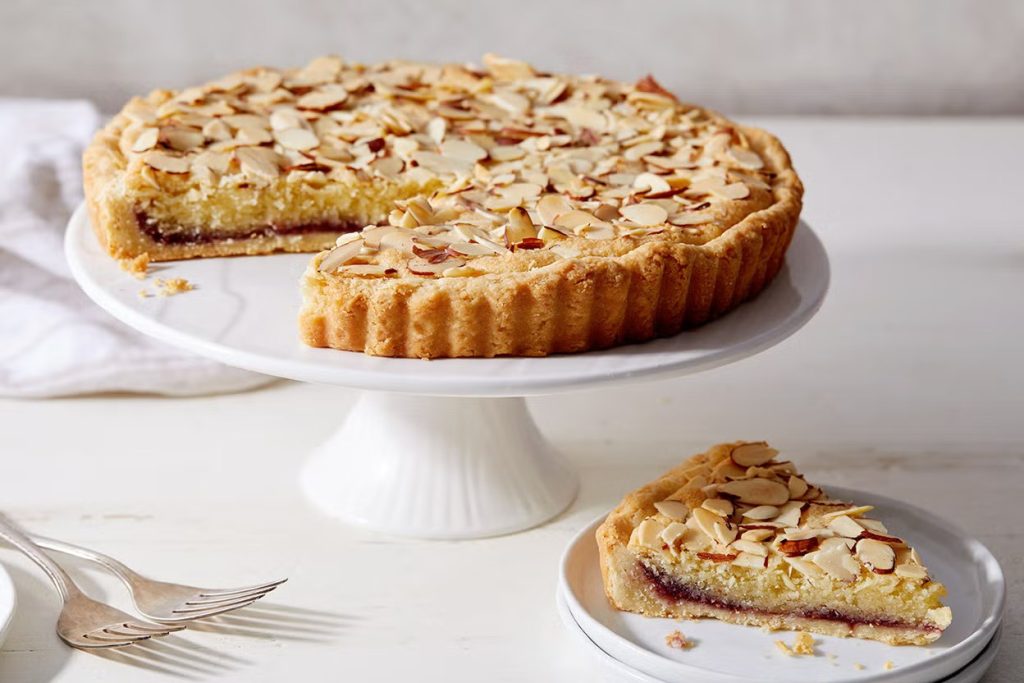
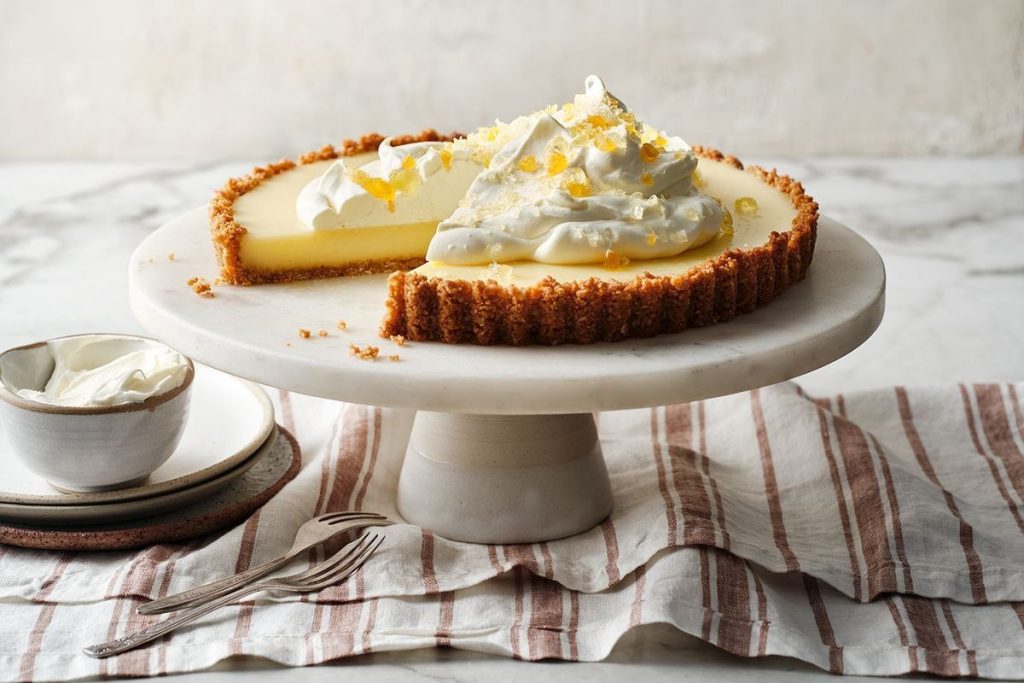
A lemon tart uses citrus curd. A chocolate tart contains ganache made from chocolate and cream. An almond tart combines fruit with frangipane, a filling made from butter, sugar, eggs, and ground almonds.
A fruit tart can become part of a lighter dessert menu. During warmer months, serve smaller slices with a chilled accompaniment. This protein ice cream made with Greek yogurt and frozen banana offers a less heavy alternative to traditional cream-based ice cream.
Popular savory combinations include:
- tomato, goat cheese, and thyme;
- caramelized onion and Gruyère;
- spinach, ricotta, and nutmeg;
- mushrooms, garlic, and Parmesan;
- roasted peppers, feta, and herbs.
Savory tarts often contain an egg-and-cream custard. Bake these fillings until the center is set but still slightly tender. Overbaking can make the custard dry and rubbery.
Ready-made puff pastry provides a faster alternative. It creates a layered and airy base rather than a firm shortcrust shell. It works particularly well with thin vegetables and cheese.
How to Store a Homemade Tart
An empty baked shell can remain at room temperature for up to 2 days. Store it in an airtight container. Keep it away from humidity, heat, and direct sunlight.
Unbaked dough can stay refrigerated for 2 days. It can also be frozen for about 2 months. Defrost it overnight in the refrigerator before rolling.
A tart containing eggs, milk, cream, or fresh cheese must remain chilled. Cover it loosely without pressing wrap against the fruit. Eat it within 1–2 days.
Freezing an assembled fruit tart is not recommended. Fresh fruit often becomes soft after thawing. Pastry cream may separate and release liquid.
For advance preparation, bake the shell 1 day earlier. Prepare the pastry cream separately and refrigerate it. Assemble the tart several hours before serving.
FAQ About Tarts
What is a tart made of?
A tart contains a shallow pastry shell and an exposed filling. The filling may include fruit, custard, chocolate, nuts, vegetables, cheese, or meat.
Can I make a tart without a tart pan?
Yes. Use a pie dish, springform pan, or baking sheet. A baking sheet is suitable for a rustic free-form tart.
Why does tart dough need chilling?
Chilling firms the butter and relaxes the gluten. It reduces shrinking and helps the pastry keep clean edges.
Can I use store-bought pastry?
Yes. Ready-made shortcrust pastry saves time and works with most fillings. Check whether it contains sugar before using it for savory recipes.
What can replace baking weights?
Dry beans, uncooked rice, or granulated sugar can hold the shell down. Place them over baking paper before baking.
How do I prevent a soggy tart?
Bake the shell completely, cool it, and dry the fruit. Add the filling shortly before serving.
Should a tart be served warm or cold?
Fruit and custard tarts are usually served chilled. Savory tarts may be served warm or at room temperature.
How long does a tart take to make?
Active preparation takes about 40 minutes. Chilling, baking, and cooling require approximately 3 additional hours.
Earlier we wrote about How to Make Nachos at Home: Crispy Chips, Melted Cheese and the Best Toppings