 Frank Rondel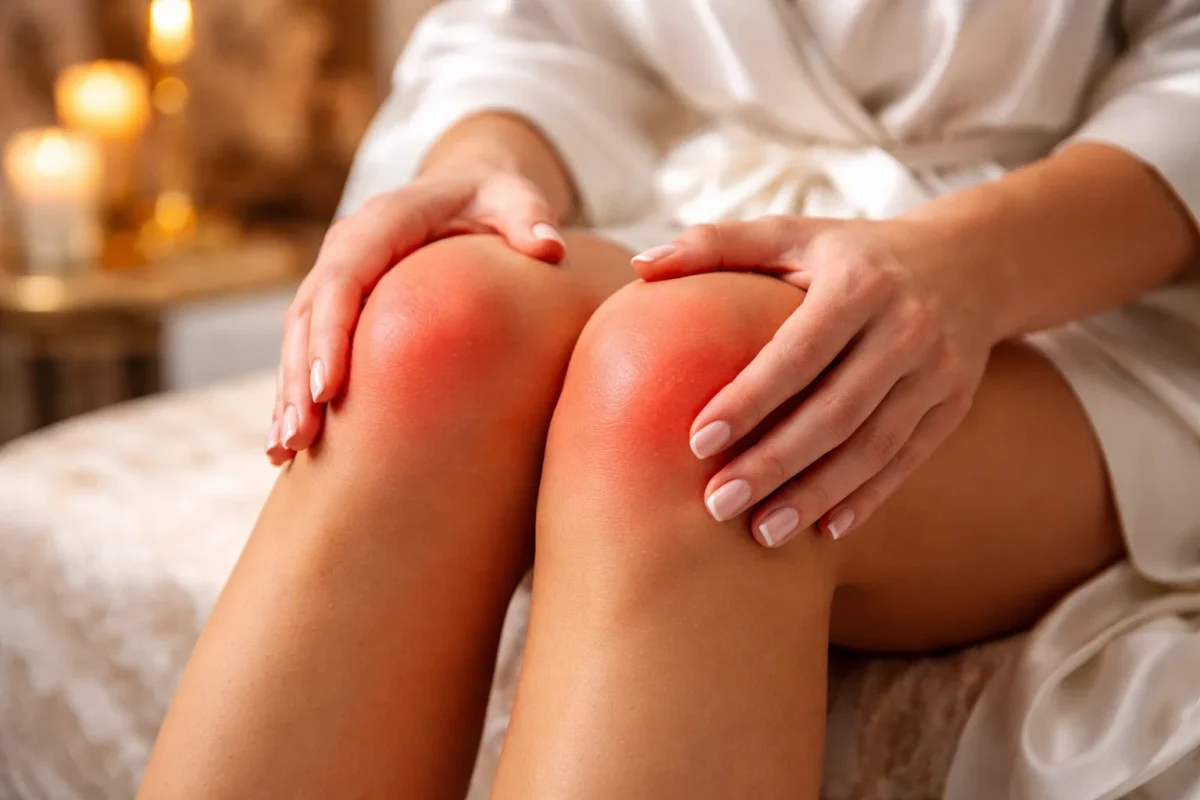
Why knees ache with weather changes is a question that millions of people ask as soon as the clouds gather. This phenomenon is often linked to fluctuations in barometric pressure which affect the internal environment of the joints. Many patients describe a dull throbbing or a twisting sensation that precedes rain or cold fronts. Scientists believe that the expansion of tissues within the knee capsule triggers pain receptors in sensitive individuals. Chronic inflammation or old injuries often make the joints more susceptible to these environmental shifts. Understanding the biological mechanisms behind meteosensitivity can help in finding the right management strategy for discomfort. Physical activity levels and hydration also play a significant role in how the body reacts to outside pressure. Proper medical consultation is necessary to distinguish simple weather sensitivity from serious degenerative diseases like osteoarthritis. Comprehensive insights into joint health and seasonal transitions are provided by the customreceipt.com.
The biological mechanism of joint sensitivity to atmospheric pressure
The human body acts like a sophisticated barometer where internal pressures constantly adjust to the external environment. When atmospheric pressure drops, the fluids and gases inside the knee joint may expand slightly due to reduced resistance. This expansion puts pressure on the nerves and connective tissues causing the characteristic twisting or aching sensation. People with thinning cartilage or reduced synovial fluid feel these changes much more intensely than healthy individuals. Temperature drops also increase the viscosity of the joint fluid making the knee feel stiff and harder to move. Low humidity combined with cold air can further irritate the nerve endings located around the joint capsule.
Common factors that increase the risk of weather related knee pain:
- Previous surgical interventions or fractures that left behind scar tissue.
- Chronic inflammatory conditions such as rheumatoid arthritis or gout.
- Age related wear and tear of the meniscus and articular cartilage.
- Sedentary lifestyle leading to weak supporting muscles and poor circulation.
- High levels of psychological stress which lower the overall pain threshold.
- Deficiencies in essential minerals like magnesium or calcium.
- Excess body weight that places constant mechanical stress on the lower limbs.
These triggers explain why a rainy day can feel like a physical burden for many people. Most patients notice that the pain starts a few hours before the weather actually changes. This suggests that the body responds to the falling pressure gradient rather than the rain itself. Keeping a diary of symptoms can help you identify specific patterns in your sensitivity. Doctors often recommend staying warm and maintaining light movement to counteract the effects of high humidity. Identifying the root cause of the sensitivity is the first step toward long term relief. Strengthening the muscles around the knee provides a natural shock absorber for the joint.
Practical strategies for pain relief and joint maintenance
Managing knee discomfort requires a combination of immediate relief techniques and long term lifestyle adjustments. Applying gentle heat to the affected area can improve blood flow and relax the surrounding muscles. Warm baths with sea salt or specialized mineral additives are frequently used to reduce inflammation naturally. It is also important to maintain a consistent exercise routine even when the weather is discouraging. Low impact activities like swimming or cycling keep the joints lubricated without causing excessive mechanical friction. Wearing supportive braces or compression sleeves can provide external stability during periods of high atmospheric instability.
| Treatment method | Primary benefit | Recommended frequency |
| Warm compresses | Relaxes muscles and improves blood circulation | Twice daily for fifteen minutes |
| Gentle stretching | Increases flexibility and reduces joint stiffness | Every morning and evening |
| Hydration | Maintains the quality of synovial fluid | Minimum two liters of water daily |
| Topical gels | Provides localized anti inflammatory effect | As needed following medical advice |
Many specialists suggest using specialized ointments that contain warming components like capsaicin or cooling menthol. These products work by distracting the nervous system and reducing the perception of deep joint pain. If the aching becomes sharp or is accompanied by swelling, you should seek professional orthopedic help. Dietary changes can also support joint health by reducing systemic inflammation in the body. Omega three fatty acids found in fish oil are particularly beneficial for maintaining cartilage elasticity. Incorporating ginger and turmeric into your meals may provide a mild natural analgesic effect. These small changes can significantly improve your quality of life during the autumn and winter months.
Professional medical treatments and diagnostic procedures
When domestic remedies are no longer sufficient, it is time to consider professional medical intervention. Modern orthopedics offers several ways to treat chronic joint sensitivity through minimally invasive procedures. Doctors might recommend hyaluronic acid injections to supplement the natural lubrication within the knee joint. This treatment helps to cushion the bones and reduces the friction that causes weather related pain. Physical therapy is another cornerstone of treatment, focusing on specific exercises to balance the load on the legs. In some cases, laboratory tests are conducted to rule out autoimmune disorders or metabolic issues.
Essential steps in a professional diagnostic process:
- Detailed review of the patient history and previous injuries.
- Physical examination to check the range of motion and stability.
- X ray imaging to assess the space between the bones and cartilage.
- Ultrasound scans to visualize inflammation in the soft tissues.
- Blood tests to check for markers of systemic inflammation or infection.
- MRI scans for a detailed look at the ligaments and meniscus.
These procedures allow doctors to create a personalized treatment plan that addresses the specific needs of your joints. Sometimes, simple shoe inserts or orthotics can realign the legs and take the pressure off the knees. Long term success depends on your willingness to follow the rehabilitation program and protect your joints. Avoiding sudden movements and heavy lifting during bad weather can prevent acute flare ups. Understanding the limits of your body is crucial for preventing permanent damage to the articular surfaces. Professional help ensures that you are not just masking the pain but treating the underlying condition. Consistency in care is the best way to keep your knees functioning well for many years.
Earlier we wrote about lunar hair cutting calendar for January 2026: best dates for hair growth and beauty