 Frank Rondel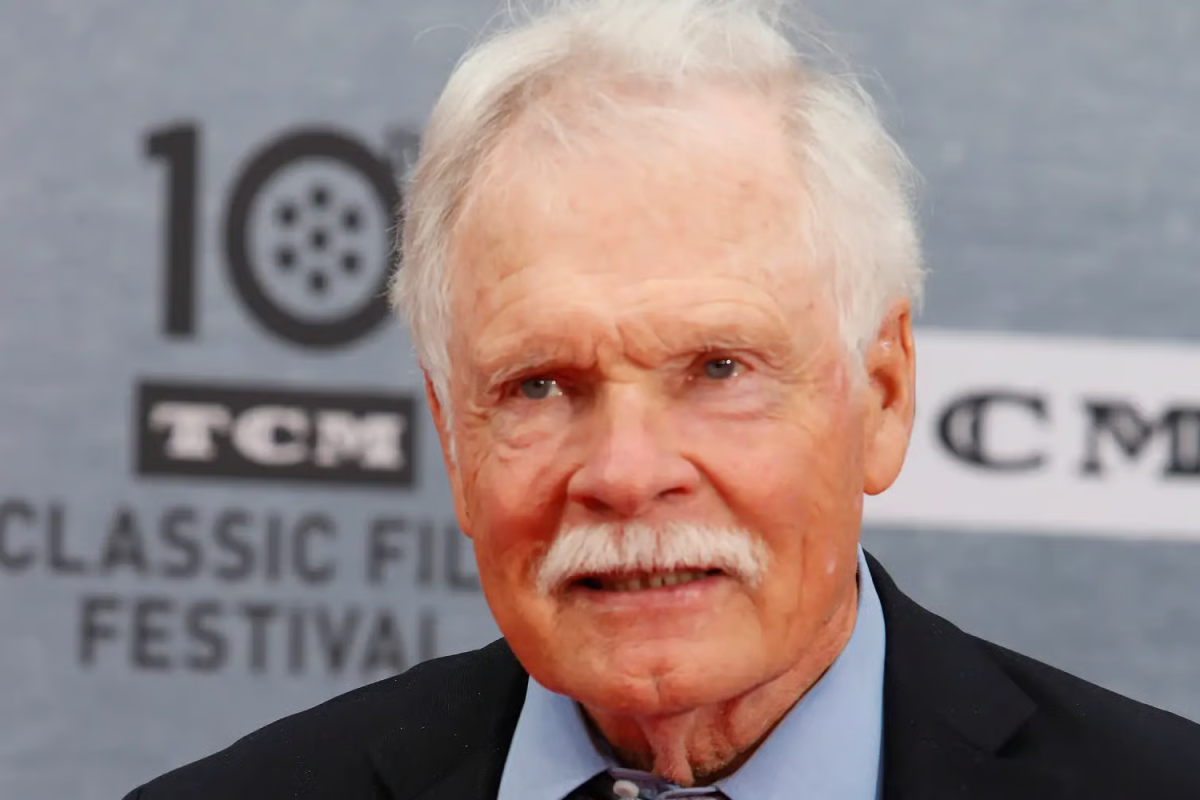
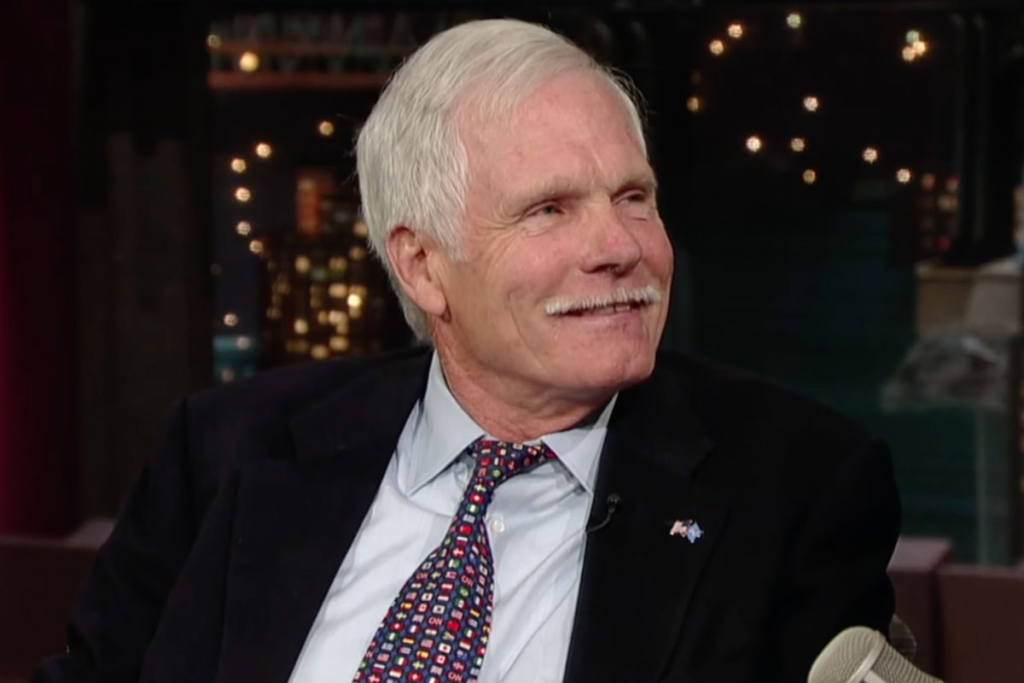
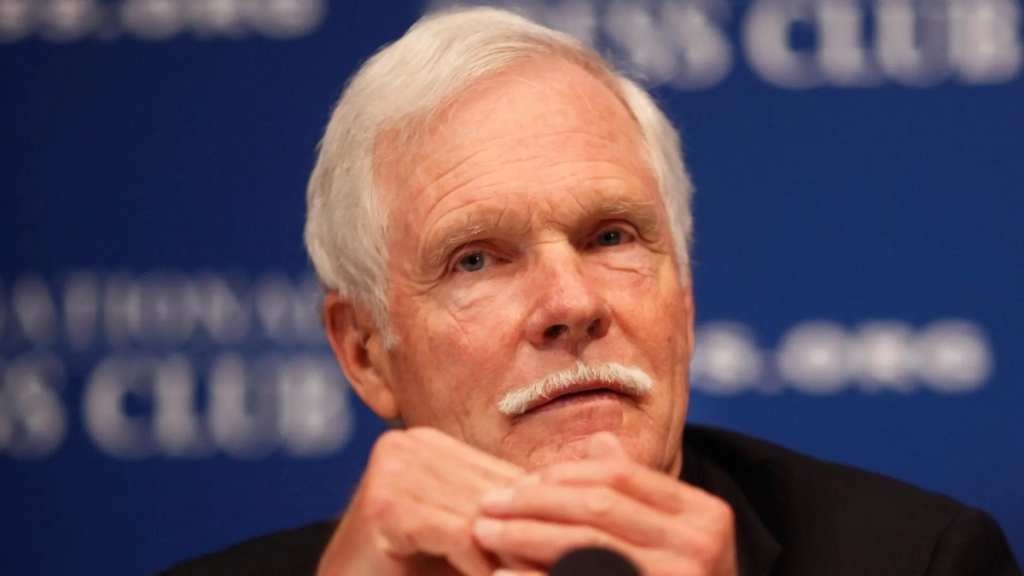
Ted Turner dies at 87 on May 6, 2026, after building one of the most influential media careers of the cable era. The Turner family announced that he died peacefully, surrounded by relatives, and described him as a philanthropist, environmentalist and cable pioneer in an official statement on TedTurner.com.
Turner had disclosed in 2018 that he was living with Lewy body dementia. By then, his defining achievement was already fixed in media history: he turned television news from a scheduled evening ritual into a permanent live service, as reported by the customreceipt.com.
CNN made television news permanent
CNN launched on June 1, 1980. The idea sounded commercially irrational at the time. U.S. television news was built around evening broadcasts from ABC, CBS and NBC, while Turner proposed a channel that would report all day and all night.
That decision defined the CNN founder legacy. Turner did not merely create another network. He changed the relationship between event and audience.
Before CNN, many viewers waited for fixed news programs. After CNN, the expectation shifted toward availability. News could be watched during a crisis, not after it.
The channel’s early years were difficult:
- limited staff compared with legacy networks;
- technical failures during live segments;
- skeptical advertisers and cable operators;
- heavy monthly losses;
- weak initial audience reach.
CNN’s official corporate page still presents the network around global live coverage and international reach: CNN official information.
The Gulf War proved the 24-hour model
The 1991 Gulf War became CNN’s breakthrough. Its reporting from Baghdad gave viewers live access to a major military conflict while other networks relied more heavily on scheduled summaries and official briefings.
The war showed why the 24-hour news cycle mattered. A news organization with continuous airtime could stay with an event as it unfolded. That changed audience habits, government communication and competitive pressure across media.
“I learn more from CNN than I do from the CIA,” President George H. W. Bush was widely quoted as saying during the war.
The same demand for immediate public updates now shapes digital coverage of politics, policing and technology. CustomReceipt’s report on UK police expanding AI chatbots and facial recognition shows how real-time information systems have moved from television into public services.
Turner built a cable system, not one channel
Turner’s achievement was larger than CNN. He built the Turner Broadcasting System as a cable ecosystem where channels, libraries, sports rights and satellite distribution reinforced one another.
Major assets included:
- TBS, the Atlanta-based “superstation” that reached national cable audiences;
- CNN, CNN Headline News and CNN International;
- TNT, built around film and entertainment programming;
- Turner Classic Movies, powered by classic film libraries;
- Cartoon Network, built after the Hanna-Barbera acquisition;
- Atlanta Braves broadcasts, which gave TBS regular live programming.
The strategy was simple and durable. Turner acquired content that could fill many hours, then used cable distribution to scale it nationally.
That logic resembles later platform thinking in entertainment and technology. CustomReceipt’s article on Netflix VOID AI and professional video editing covers a newer version of the same pressure: owning tools, workflows and distribution advantages.
Risk was Turner’s business method
Turner’s expansion followed a recognizable pattern.
- Buy distressed or undervalued assets.
- Use debt aggressively.
- Expand distribution through cable and satellite.
- Fill airtime with repeatable content.
- Convert national reach into negotiating power.
This model nearly broke him. The 1985 MGM-UA acquisition loaded Turner’s company with major debt. He sold much of the studio operation soon afterward, but retained the film library.
That retained library became valuable later. TNT and Turner Classic Movies turned old films into long-term cable programming assets.
The same appetite for infrastructure-scale bets appears in modern technology business. CustomReceipt’s coverage of Elon Musk’s proposed Terafab chip factory in Austin describes another case where control over production capacity becomes strategic power.
Sports gave cable a national habit
Turner understood that sports solved a programming problem. Live games filled airtime, created repeat viewing and gave cable systems something viewers could not get from ordinary reruns.
He bought the Atlanta Braves in 1976 and put the team’s games on TBS. The club gained national visibility because cable carried it into homes far beyond Georgia.
He also owned the Atlanta Hawks and won the America’s Cup in 1977 as skipper of Courageous. Sailing reinforced his image as a competitor who treated risk as a test of identity.
| Area | Turner’s impact |
|---|---|
| Media | CNN and permanent live news |
| Sports | National exposure for the Atlanta Braves |
| Entertainment | TNT, TCM and Cartoon Network |
| Environment | Large-scale land conservation |
| Philanthropy | $1 billion pledge to UN causes |
The United Nations Foundation states that Turner pledged $1 billion in 1997 to support UN causes, one of the largest individual philanthropic gifts of its period: UN Foundation tribute.
A public figure full of contradictions
Media mogul Ted Turner was admired for vision and criticized for volatility. His reputation included public insults, reckless remarks, heavy drinking, political inconsistency and high-profile personal turmoil.
He positioned himself at times as conservative, yet supported the United Nations and environmental causes. He loved hunting, then became one of America’s best-known conservation landowners. He fought network television, then became part of a consolidated media giant.
His marriage to Jane Fonda, from 1991 to 2001, intensified public attention. Their political histories and celebrity made the relationship a media story beyond business.
The controversies did not erase the structure
Turner’s contradictions remain part of the record. They do not change the scale of his industry impact.
His lasting contribution was infrastructure. CNN trained viewers to expect news as a live, ongoing service. That expectation now applies to wars, elections, markets, celebrity events and sports tournaments.
CustomReceipt’s coverage of Iran in the 2026 World Cup and FIFA’s political balancing act reflects the same media environment Turner helped create: global events now unfold through continuous updates, official statements and live audience reaction.
Time Warner ended the founder-control era
In 1996, Turner Broadcasting merged with Time Warner. Turner became vice chairman, but the deal moved him away from direct founder control.
The later AOL-Time Warner merger in 2001 pushed him further from operational power. Turner remained wealthy and visible, but the company he built became part of a larger corporate structure.
Warner Bros. Discovery’s corporate history places Turner’s channels inside a broader media lineage that now includes studios, cable networks and streaming assets: Warner Bros. Discovery history.
This was the final turn in Turner’s business arc. He began as a regional advertising heir, became a cable insurgent, then watched his empire absorbed into consolidation.
Why Turner still matters
Cable News Network history is not only the story of one channel. It is the story of a changed media tempo.
Turner made immediacy commercially valuable. He proved that audiences would watch news before, during and after the scheduled broadcast day.
That expectation survived cable’s peak and moved into phones, websites, apps, alerts and streaming feeds. The screen changed. The demand for constant access remained.
FAQ
Why was CNN revolutionary?
CNN made television news continuous. It broke the fixed evening-news model and gave audiences access to live updates throughout the day.
What made Turner different from other media executives?
Turner combined content ownership, cable distribution and satellite technology before that structure became common across media companies.
What was Turner’s biggest business success?
CNN was his defining achievement because it created a global template for live news coverage.
What was his most controversial business decision?
The MGM-UA acquisition was one of his riskiest decisions. It created severe debt pressure, but the retained film library later became a major programming asset.
What remains of Turner’s legacy?
His legacy remains in every rolling news feed, live crisis broadcast, mobile alert and global media operation built around instant availability.
Earlier we wrote about Charlie Puth live in Atlantic City May 30 2026: how to buy tickets and where to sit?