 Frank Rondel

Graziers raw milk cheese recall has expanded nationwide following an E. coli outbreak that hospitalized 8 people across 9 states. Three patients developed serious kidney complications, while more than half of those infected were children aged 5 or younger, reports customreceipt.com.
California-based Sierra Nevada Cheese Company initiated the voluntary recall on September 24, 2026. Federal investigators have not identified the contaminated production lot. The FDA recall announcement confirms that all affected varieties were withdrawn as a precaution.
Which Graziers Cheese Products Are Recalled?
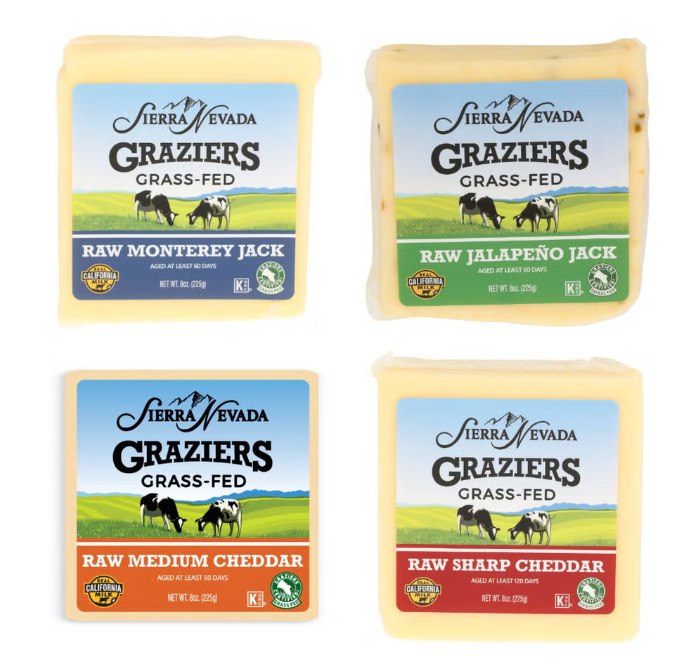
The recall covers 4 varieties of unpasteurized cheese sold nationwide, including online purchases.
| Recalled cheese | Package sizes |
|---|---|
| Monterey Jack | 8 oz, 5 lb |
| Jalapeño Jack | 8 oz, 5 lb |
| Medium Cheddar | 8 oz, 16 oz, 5 lb |
| Sharp Cheddar | 8 oz, 5 lb |
| Cheddar blocks | 40 lb |
Investigators have linked illnesses epidemiologically to Graziers Medium Cheddar. However, no specific contaminated batch has been confirmed.
The company has suspended production and shipments of its raw milk cheese products.
E. Coli Outbreak: Which States Have Reported Cases?
According to the CDC investigation, the September 25 report identified 13 infections across 9 states.
California and Nevada recorded 3 cases each. Colorado, Georgia, Kentucky, Michigan, Oregon, Tennessee and Utah reported 1 case each.
Of those infected, 8 required hospitalization. Another alarming finding involved 3 patients who developed hemolytic uremic syndrome, a potentially life-threatening kidney condition.
No deaths were reported in the September 25 update. The FDA continues to classify the investigation as ongoing.
What Should Consumers Do With Recalled Cheese?
The FDA advises consumers to take immediate precautions:
- Stop eating any recalled Graziers cheese.
- Return affected products for a refund or discard them.
- Check refrigerators and freezers.
- Clean surfaces and containers that contacted the cheese.
Symptoms can include severe stomach cramps, diarrhea, nausea, fever and vomiting. They may appear up to 9 days after exposure.
Anyone developing symptoms after consuming recalled cheese should contact a healthcare provider promptly. Consumers should also monitor official FDA updates as investigators identify the contamination source.
Earlier we wrote that Lay’s Cheddar Scalloped-Style Potatoes Arrive for Thanksgiving 2026: What to Know About the New Chips