 Frank Rondel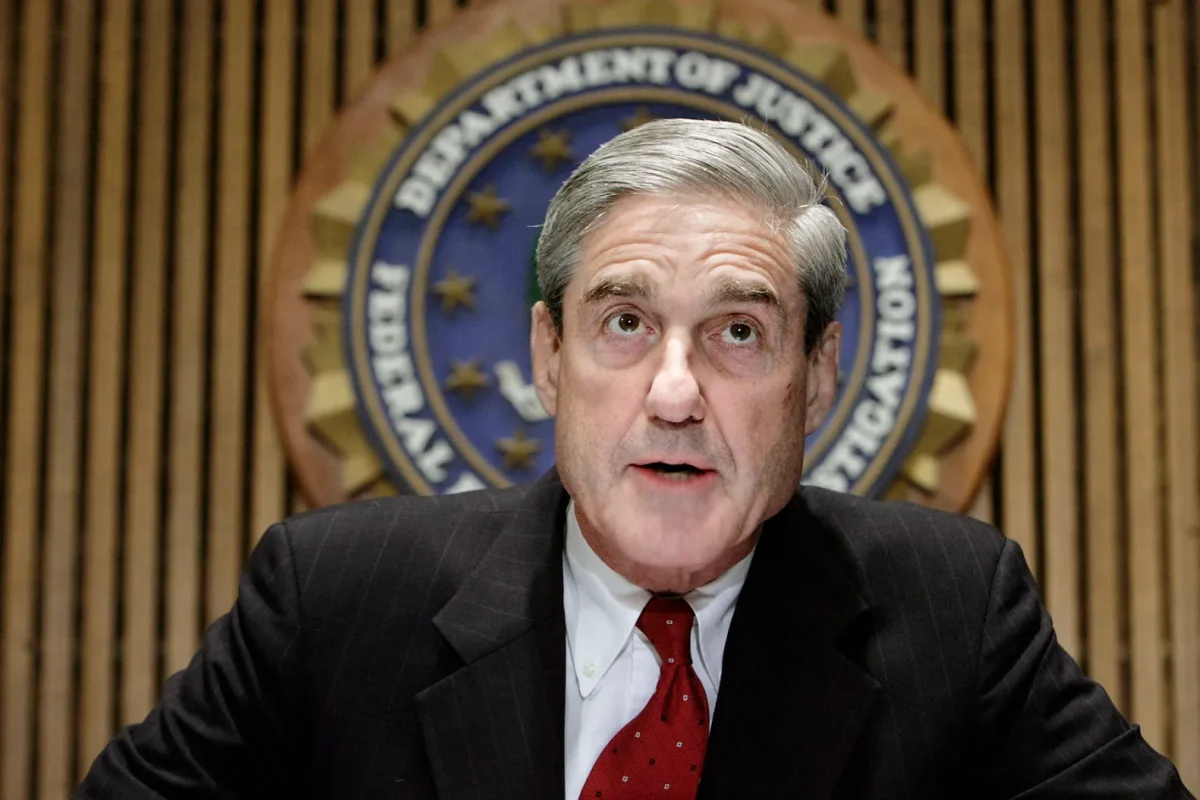
Robert Mueller, the former special counsel who led the investigation into Russian interference in the 2016 U.S. elections, has died at the age of 81, his family announced on March 21, requesting respect for their privacy, reports customreceipt.com. CNN recalled that in August 2025, Mueller’s family revealed he had been diagnosed with Parkinson’s disease several years earlier.
Mueller served as Director of the FBI from 2001 to 2013. In 2017, the U.S. Department of Justice appointed him as special counsel to investigate Russian interference in the 2016 presidential election, which Donald Trump won. The probe lasted two years, concluding that while Russia did interfere in the election, there was no evidence of collusion between Trump or his campaign team and Russian officials.
Following the announcement of Mueller’s death, Donald Trump commented on social media platform Truth Social, stating: “Robert Mueller just died. Good, I’m glad he’s dead. He can no longer harm innocent people!” The post was published around 3 a.m. Moscow time.
Mueller’s tenure as special counsel and his prior leadership at the FBI were pivotal in shaping public understanding of election security, Russian influence operations, and the limits of executive accountability. His investigation set precedents in how special counsels operate, balancing national security concerns with political transparency. Analysts note that his work continues to influence both U.S. intelligence practices and global discussions on election interference.
The announcement of his death has sparked reactions across political and media circles, highlighting the enduring legacy of his career in law enforcement and federal investigation. Experts emphasize the historical significance of his findings on Russian interference and the careful legal framework he maintained throughout the two-year inquiry.
Earlier we wrote that Nicholas Brendon Dead at 54: Buffy Star’s Life, Career, and Fan Tributes