 Frank Rondel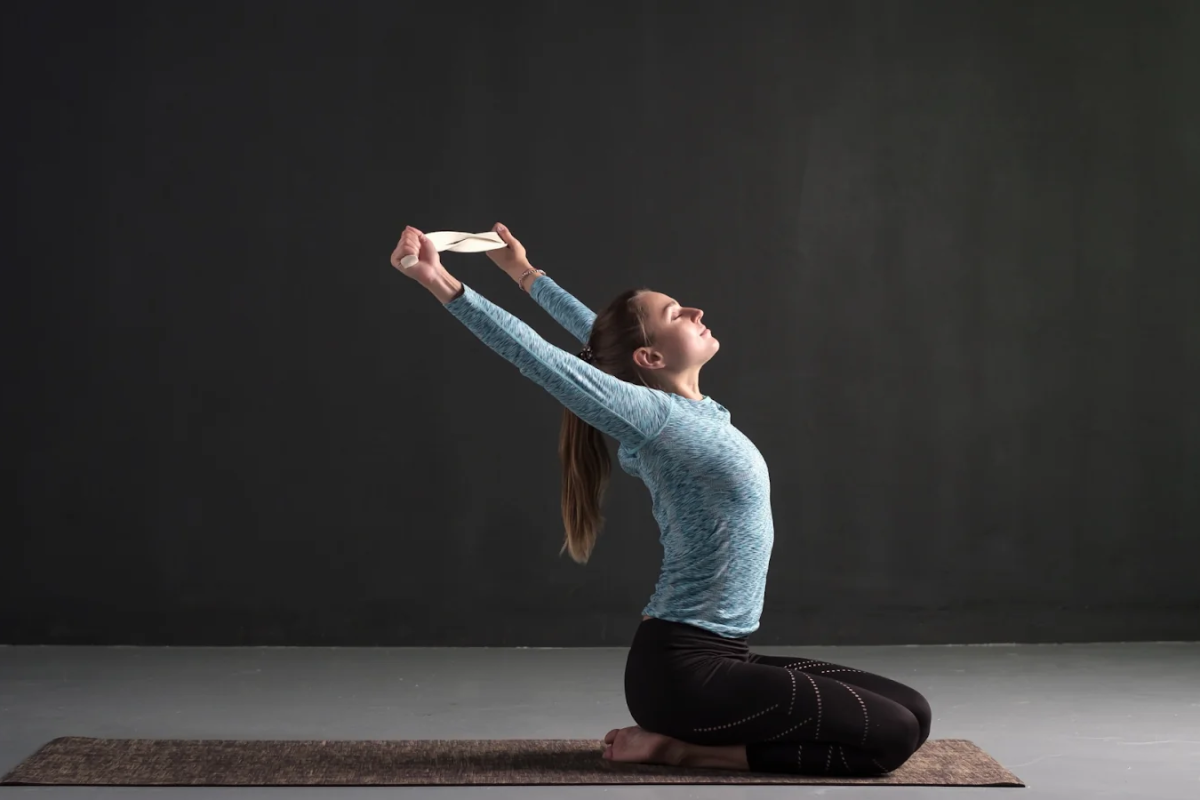
How to improve posture is a question that defines our digital age, as millions of people spend their days hunched over glowing screens.
This constant cervical strain and lumbar compression have led to a global epidemic of musculoskeletal issues that affect both physical and mental well-being. Modern lifestyles, characterized by sedentary office work and “text neck,” slowly reshape the spine into an unnatural curve. We must recognize that alignment is not just about aesthetics; it is about how our organs function and how our nervous system communicates. Understanding the mechanics of your body is the first step toward lasting change, as noted by the customreceipt.com.
Why Good Posture Matters
Good posture is the silent foundation of a healthy life, acting as the structural framework for every movement we make.
When the spine is properly aligned, the muscles, joints, and ligaments can function at their peak efficiency without unnecessary wear. Research suggests that an upright position significantly reduces chronic back pain and prevents the early onset of degenerative joint diseases. Beyond the physical benefits, standing tall has a direct impact on psychological states.
“A neutral spine allows for optimal lung capacity and efficient circulation, ensuring that every cell receives the oxygen it needs to thrive.”
Psychology studies often show that maintaining an upright stance can lower cortisol levels and boost self-confidence during stressful interactions. People who practice a slouching fix often report fewer tension headaches because the muscles at the base of the skull are no longer under constant tension. Furthermore, proper alignment prevents the internal organs from being compressed, which can actually aid in better digestion and metabolic health. It is a fundamental shift in how you inhabit your own frame.
Signs of Poor Posture
Identifying the warning signs of misalignment is crucial before you can implement a long-term posture correction plan.
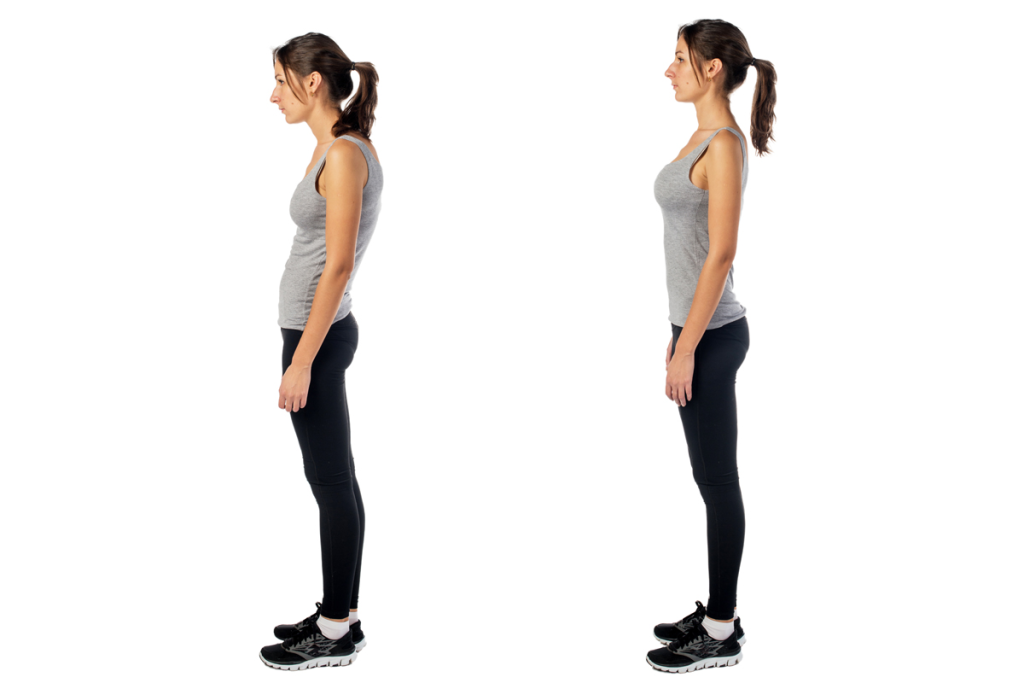
Many people do not realize their shoulders have rounded forward until they see a candid photograph of themselves. You might notice a persistent “forward head” position where your ears are no longer directly above your shoulders. Another common issue is the anterior pelvic tilt, where the lower back arches excessively, causing the stomach to protrude. These visual cues are the body’s way of signaling structural fatigue.
- Stand with your back against a flat wall, ensuring your heels are a few inches away.
- Your buttocks, shoulder blades, and the back of your head should touch the surface comfortably.
- Check the gap between your lower back and the wall; it should fit exactly one hand width.
- If your head cannot touch the wall without tilting back, you likely have structural imbalances.
The wall test is a simple yet profound diagnostic tool that anyone can perform at home without professional equipment. If you find that maintaining this position feels exhausting or painful, it is a clear indicator that your stabilizer muscles are weak. Consistent self-assessment allows you to catch these deviations before they evolve into permanent skeletal changes. Once you identify these “red flags,” you can move toward specific remedial movements designed to restore balance. This awareness is the catalyst for physical transformation.
6 Best Exercises to Improve Posture
To see real results, you need a dedicated routine that targets the specific muscle groups responsible for keeping you upright. Posture exercises are not just about strength; they are about retraining the brain-to-muscle connection.
- Chin Tucks: Sit upright and look straight ahead. Without tilting your head, draw your chin back as if making a double chin. Perform 3 sets of 10 repetitions to strengthen deep neck flexors.
- Wall Angels: Stand against a wall and move your arms up and down like a snow angel. Keep your elbows and wrists in contact with the wall throughout the movement. Complete 3 sets of 10 to open the chest.
- Cat-Cow Stretch: On all fours, alternate between arching your back toward the ceiling and dipping it toward the floor. Move slowly through 10 full cycles to improve spinal mobility.
- Chest Doorway Stretch: Stand in a doorway, place your forearms on the frame, and lean forward. Hold this for 30 seconds on each side to release tight pectoral muscles.
- Plank: Hold a push-up position with a straight line from head to heels. Aim for 3 sets of 30 seconds to build core stability.
- Shoulder Blade Squeeze: Sit tall and imagine squeezing a pencil between your shoulder blades. Hold for 5 seconds and repeat for 3 sets of 15.
Focusing on the quality of movement is far more important than the number of repetitions you complete.
Engaging the core during these exercises ensures that the lumbar spine remains protected while you work on the thoracic area. Many people find that doing these movements in the morning sets a positive tone for the rest of the day. Over time, these exercises will become easier as your body adapts to the new demands. Persistence is the only way to overcome years of sedentary habits. You are essentially rebuilding your internal architecture.
Daily Habits for Better Posture
Long-term success depends on the small choices you make during the sixteen hours you are awake. Even the best workout cannot fully compensate for eight hours of leaning over a laptop at a kitchen table.
Designing an ergonomic environment is one of the most effective better posture tips for the modern professional. You must be proactive in your approach.
- Ensure your computer screen is at eye level so you are not looking down.
- Keep your feet flat on the floor rather than crossing your legs for long periods.
- Set a timer to take a “mobility break” every thirty minutes to reset your alignment.
- Pay attention to your phone posture by bringing the device up to your face instead of dropping your head.
Your sleep position also plays a vital role in how your back feels when you wake up in the morning. Side sleepers should consider placing a pillow between their knees to keep the hips level. Back sleepers often benefit from a small roll or pillow under the knees to maintain the natural curve of the lower back. Switching to a standing desk for part of the day can also decrease the pressure on your spinal discs. Consistency in these habits creates a lifestyle where your body naturally gravitates toward health. It is about environmental design.
Posture at Work: Ergonomic Setup Guide
Creating a workspace that supports your body is a non-negotiable requirement for anyone working in an office environment.
If your chair is too low or your monitor is too far away, your body will instinctively lean forward to compensate. This mechanical disadvantage leads to rapid fatigue and chronic strain.
| Element | Ideal Position |
| Chair Height | Thighs parallel to the floor with knees at 90 degrees |
| Monitor Distance | Approximately arm’s length away from your eyes |
| Keyboard Position | Elbows at 90 degrees with wrists in a neutral, flat position |
| Mouse Position | Directly next to the keyboard to avoid overreaching |
Adjusting these elements might feel strange at first because your body has grown accustomed to poor alignment. It is important to give yourself a week to adapt to a new ergonomic configuration.
Most people realize that once they find the “sweet spot,” their productivity increases alongside their physical comfort. Investing in a high-quality chair with lumbar support can save thousands in future medical bills. Remember that your workspace should adapt to you, not the other way around. Small adjustments lead to massive long-term relief.

How Long Does It Take to Fix Posture?
Realizing how to improve posture is a marathon, not a sprint, and requires a realistic mental approach.
Most individuals will begin to notice a decrease in daily muscle tension within the first two to four weeks of consistent effort. However, changing the actual structural habits of the body takes significantly longer.
- Phase 1 (1 month): Increased awareness and reduced muscle soreness.
- Phase 2 (3 months): Visible changes in standing height and shoulder position.
- Phase 3 (6 months): New postural habits become subconscious and natural.
Significant improvements generally manifest after three to six months of daily dedication to exercises and ergonomic changes. Consistency is the key to making these changes permanent in your muscle memory. If you stop the exercises as soon as the pain goes away, you will likely regress to your old patterns. Treating posture as a lifelong practice ensures that you remain mobile and pain-free well into your later years.
FAQ
Can I fix my posture if I have been slouching for years?
Yes, the body is remarkably adaptable, and even long-term habits can be corrected with targeted strengthening and stretching.
How often should I do posture exercises?
For the best results, aim for a short session of 10 to 15 minutes every single day rather than one long session per week.
Do posture correctors or braces actually work?
While they provide a temporary reminder to sit up straight, they should not be relied upon as they can actually weaken your natural stabilizer muscles.
Is it possible to have “perfect” posture?
Posture is dynamic, so the goal is a “neutral” spine rather than a rigid, frozen position.
How do I know if my neck pain is caused by my posture?
If the pain worsens after long hours at a computer and improves when you move around, it is highly likely a postural issue.
Does weight loss help improve posture?
Reducing excess abdominal weight can significantly decrease the strain on the lower back and make it easier to maintain an upright position.
The journey toward a healthier spine is one of the most rewarding investments you can make in your physical longevity. By combining regular posture exercises with a mindful approach to your daily environment, you can reverse the effects of a sedentary life. Do not wait for chronic pain to become the catalyst for change. Start today by simply pulling your shoulders back and taking a deep, unrestricted breath.
Disclaimer: The information in this article is for educational purposes only and should not replace professional medical advice. Always consult with a healthcare provider or physical therapist before starting a new exercise regimen, especially if you have pre-existing spinal conditions.
Earlier we wrote about How to Start Walking for Exercise: A Complete Beginner Guide