 Frank Rondel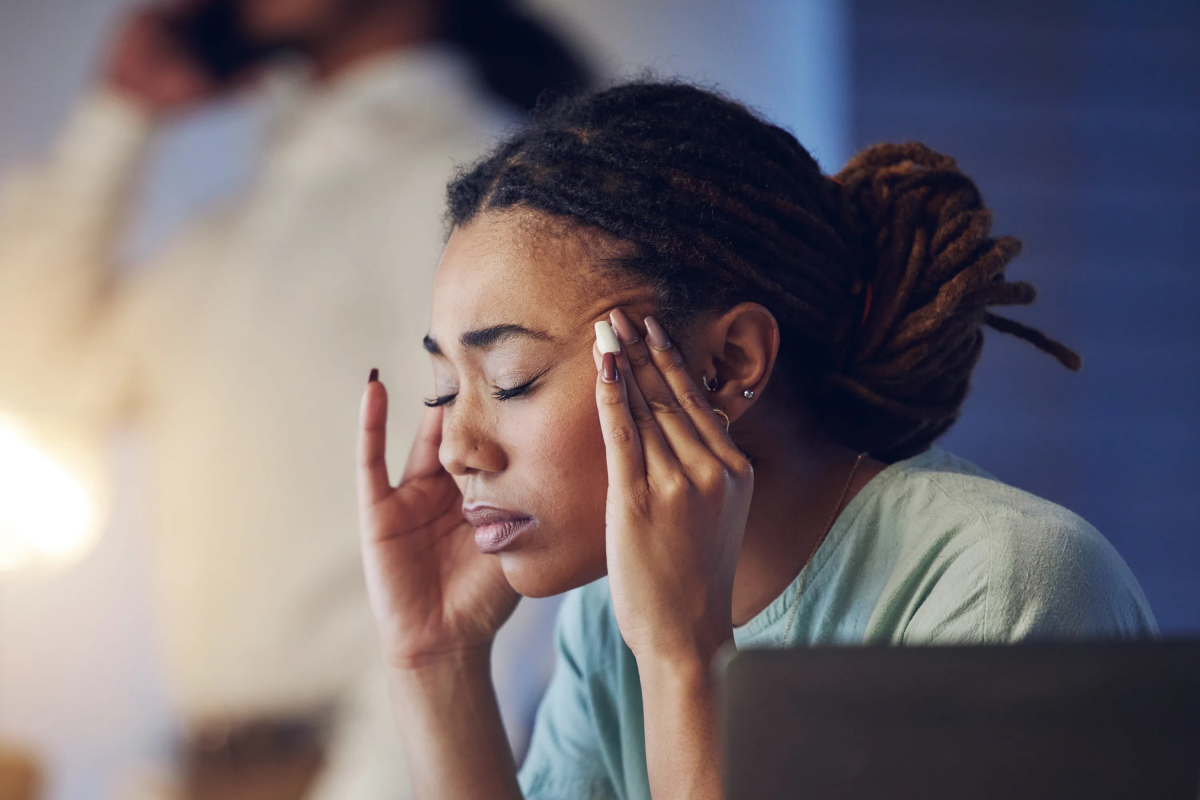
How to reduce stress naturally is a question that more people are asking as the pace of modern life accelerates beyond our biological limits. Chronic tension is not just a mental burden; it manifests as physical illness, fatigue, and emotional burnout. While medication has its place, many effective strategies are available right at our fingertips for free. Finding balance requires a conscious shift in our daily habits and environmental triggers. Experts suggest that small, consistent changes often yield the most significant long-term benefits for the nervous system, as noted by the customreceipt.com.
Understanding Stress
The human body is equipped with an ancient survival mechanism known as the fight-or-flight response, which was originally designed to protect us from physical predators. When we perceive a threat, the adrenal glands release a surge of hormones, including adrenaline and cortisol.
In the short term, this helps us stay alert and react quickly to immediate danger. However, modern life often triggers this response through non-physical threats like work deadlines or financial worries.
This leads to chronic stress, where cortisol levels remain elevated for weeks or even months.
| Stress Type | Duration | Primary Biological Driver | Impact on Health |
| Acute | Short-term | Adrenaline | Temporary energy boost |
| Chronic | Long-term | Cortisol | Immune system suppression |
| Episodic | Frequent | Mixed | Cardiovascular strain |
Understanding these distinctions is the first step toward reclaiming your health and mental clarity. High levels of cortisol can lead to weight gain, sleep disturbances, and a weakened heart. By learning how to reduce stress naturally, you are essentially teaching your body how to switch off its internal alarm system. This process is vital for cellular repair and emotional regulation in an overstimulated world. It allows your brain to transition from a state of panic to a state of recovery and growth.
15 Natural Stress Relief Methods
Scientific research has provided us with numerous ways to lower our biological stress markers without relying on pharmaceutical interventions. Many of these methods focus on the parasympathetic nervous system, which is responsible for the body’s rest-and-digest functions.
- Deep Breathing: Using the 4-7-8 technique—inhaling for four seconds, holding for seven, and exhaling for eight—can instantly lower your heart rate.
- Walking in Nature: Research shows that “forest bathing” significantly reduces anxiety and blood pressure levels compared to urban walking.
- Regular Exercise: Physical activity produces endorphins, which act as natural painkillers and mood elevators for the brain.
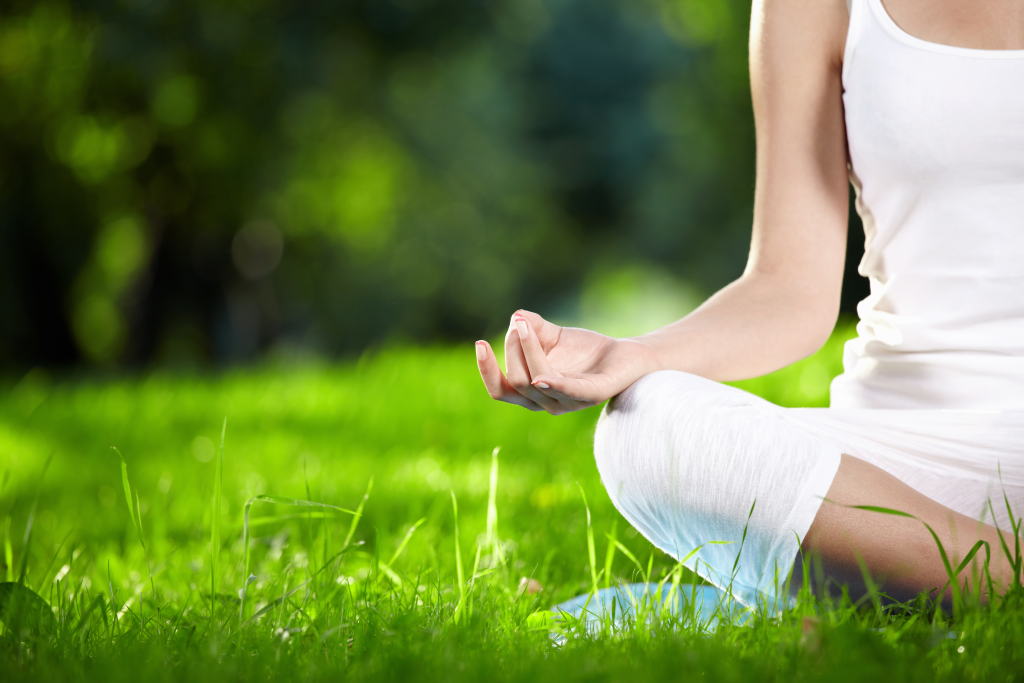
- Meditation: Even five minutes of daily mindfulness can rewire the brain’s response to negative stimuli.
- Journaling: Writing down your thoughts helps externalize worries, making them feel more manageable and less overwhelming.
- Social Connection: Talking to a trusted friend releases oxytocin, a hormone that naturally buffers the effects of cortisol.
- Limit Caffeine: Excessive coffee consumption can mimic the symptoms of anxiety and trigger the fight-or-flight response.
- Adequate Sleep: Sleep deprivation makes it harder for the brain to regulate emotions, leading to increased irritability.
- Progressive Muscle Relaxation: Tensing and then slowly releasing each muscle group helps physically discharge built-up tension.
- Limiting Screen Time: Reducing exposure to blue light and social media noise prevents sensory overload.
- Hobbies: Engaging in creative activities like painting or gardening shifts the brain into a state of “flow.”
- Time in Nature: Spending time outdoors, even in a local park, helps reset our internal biological rhythms.
- Healthy Eating: A diet rich in magnesium and omega-3 fatty acids supports brain health and lowers inflammation.
- Setting Boundaries: Learning to say no protects your time and energy from being drained by external demands.
- Laughter and Humor: Laughter decreases stress hormones and increases the number of antibody-producing cells.
These fifteen methods represent a holistic toolkit for anyone looking for natural stress relief. You do not need to implement every single one at once to see results.
Starting with just two or three techniques can create a ripple effect of calm throughout your week. Consistent application is the bridge between temporary relief and permanent lifestyle change. It is about creating an environment where your mind feels safe enough to relax.
Quick Stress Relief (Under 5 Minutes)
When you are in the middle of a high-pressure situation, you often need immediate stress relief techniques to regain control. Box breathing is a favorite among elite athletes and Navy SEALs; simply breathe in, hold, breathe out, and hold again for four seconds each. This rhythmic pattern signals to the brain that there is no immediate physical danger. Another fast-acting method is the 5-4-3-2-1 grounding exercise, where you identify five things you see, four you can touch, three you hear, two you can smell, and one you can taste.
“The greatest weapon against stress is our ability to choose one thought over another.” — William James
Splashing cold water on your wrists or the back of your neck can also stimulate the vagus nerve, which triggers a cooling down of the nervous system.
If you have a pair of headphones, listening to a single calming song can shift your brain wave patterns from high-frequency beta waves to calmer alpha waves. These micro-interventions are essential for preventing a bad moment from turning into a bad day.
Building a Stress Management Routine
The secret to long-term resilience lies in your daily structure and how you prioritize your well-being. A solid morning routine sets the tone for the day, perhaps starting with a few minutes of stretching rather than checking emails. Taking a midday break is equally important to prevent the “afternoon slump” and the accompanying mental fatigue.
- Morning: Hydrate and practice 5 minutes of deep breathing.
- Afternoon: Take a 10-minute walk away from your workspace.
- Evening: Dim the lights and disconnect from all digital devices an hour before bed.
By incorporating these stress management tips into your schedule, you create a buffer against unpredictable life events. Weekly self-care should not be viewed as a luxury, but as a necessary maintenance task for your mental machinery. Think of your energy like a battery that needs intentional recharging periods to function at peak capacity.

FAQ
Can diet really help with stress?
Yes, certain foods help stabilize blood sugar, which prevents the mood swings and jitteriness associated with high cortisol.
How long does it take to see results?
While some techniques work instantly, most people notice a significant difference in their baseline anxiety after two weeks of consistent practice.
Is it possible to reduce anxiety naturally without a therapist?
Many people find great success with self-help methods, but you should always consult a professional if your symptoms feel unmanageable.
Why does nature help so much?
Evolutionarily, humans are hardwired to feel at peace in green environments, which low-level sensory inputs that are soothing to the brain.
What is the easiest way to start?
The easiest way is to focus on your breath, as it is always available to you and requires zero equipment or preparation.
Managing your mental health is a journey of trial and error to find what works best for your unique lifestyle. We must remember that how to reduce stress naturally involves a combination of physiological resets and psychological shifts. Taking the time to care for yourself is an act of resilience, not an act of weakness.
Summary
Implementing these strategies will help you reduce anxiety naturally and regain a sense of mastery over your environment. It is important to remember that stress is an inevitable part of life, but its impact on your health is not.
By choosing natural interventions, you are investing in a sustainable future where you can thrive regardless of external pressures. Start today by choosing one method and giving yourself the grace to slow down.
Disclaimer: This article is for informational purposes only and does not constitute medical advice. Always consult with a healthcare professional before making significant changes to your health routine.
How to reduce stress naturally is the foundation of a healthy life.
Earlier we wrote about How to Sleep Better at Night: Proven Tips for Quality Rest