 Frank Rondel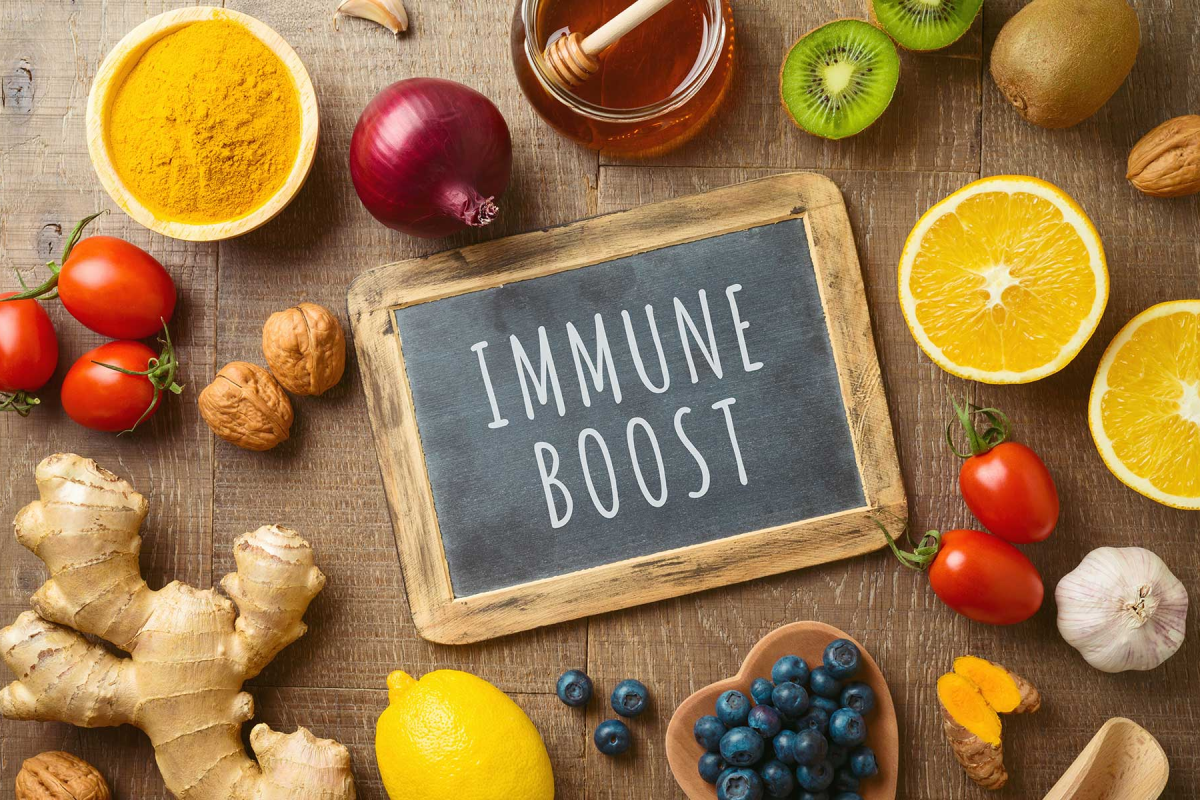
How to boost immune system functions is a question that occupies the minds of millions, especially when the seasons change and the air grows crisp. Our bodies are constantly under siege from microscopic invaders, yet we often take our internal defense forces for granted until they falter. Modern science suggests that while genetics play a role, your daily choices are the primary architects of your biological resilience. Taking a proactive approach to wellness involves more than just luck; it requires a disciplined orchestration of nutrition and rest as the editorial team of customreceipt.com notes.
HowHow the immune system works
To understand the complexity of our defenses, we must view the immune system as a two-tiered security team working in perfect harmony.
The first tier is the innate immune system, which acts as a general first responder to any perceived threat. It includes physical barriers like your skin and mucous membranes, as well as specialized cells that attack any foreign substance immediately.
Then there is the adaptive immune system, which is much more sophisticated and targeted. This part of the system learns to recognize specific pathogens, creating a “memory” so that if you encounter the same virus twice, your body knows exactly how to fight it. White blood cells, particularly lymphocytes, are the primary soldiers in this invisible war. B cells produce antibodies that neutralize toxins, while T cells destroy infected cells directly to prevent the spread of disease.
This constant surveillance requires a massive amount of metabolic energy.
If your body lacks the necessary building blocks, these cells cannot replicate or communicate effectively.

10 best foods for immune health
Fueling your body with specific nutrients is a foundational strategy to strengthen immune system responses and ensure your cells have the resources they need.
Most people reach for a glass of orange juice at the first sign of a sniffle, but true resilience is built through consistent dietary diversity.
| Food | Key Nutrient | How It Helps |
| Citrus Fruits | Vitamin C | Increases production of infection-fighting white blood cells |
| Red Bell Peppers | Beta Carotene | Supports healthy skin and eyes while providing double the vitamin C of citrus |
| Broccoli | Vitamins A, C, E | Packed with fiber and antioxidants that protect cells from damage |
| Garlic | Allicin | Contains sulfur compounds that may help combat infections |
| Ginger | Gingerol | Helps decrease inflammation and may reduce sore throat pain |
| Spinach | Vitamin C & Folate | Rich in antioxidants that increase the infection-fighting ability of our immune systems |
| Yogurt | Probiotics | Stimulates the immune system by maintaining a healthy gut microbiome |
| Almonds | Vitamin E | A fat-soluble vitamin that is key to a healthy immune response |
| Turmeric | Curcumin | High concentrations of this spice help decrease exercise-induced muscle damage |
| Green Tea | EGCG | A powerful antioxidant that has been shown to enhance immune function |
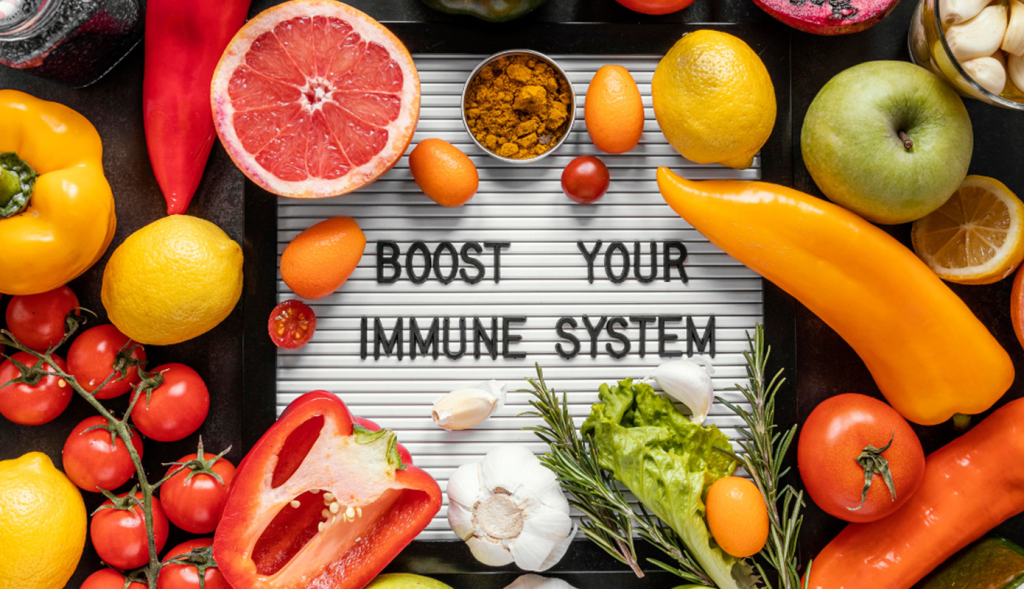
Integrating these foods into your daily routine provides a broad spectrum of phytochemicals. It is not enough to eat one of these items occasionally; you must aim for a rainbow of colors on your plate. This nutritional variety ensures that you are covering all the bases for cellular repair. Research shows that people with diverse diets tend to have more robust microbiome profiles. The synergy between different nutrients often provides more benefits than any single supplement can offer.
The following list highlights some additional steps you can take to incorporate immune boosting foods into your lifestyle:
- Start your morning with a smoothie containing spinach and citrus.
- Use fresh garlic and ginger as a base for all your savory stir-fries.
- Replace sugary snacks with a handful of raw almonds.
- Drink at least one cup of high-quality green tea every afternoon.
- Choose plain yogurt with live cultures rather than flavored versions with high sugar content.
By focusing on whole, unprocessed ingredients, you reduce the inflammatory load on your body. Bioavailable nutrients found in fresh produce are often more effective than their synthetic counterparts. Inflammation is the enemy of a fast immune response because it keeps your system in a state of constant distraction. When your body isn’t busy fighting the effects of poor nutrition, it can focus on external threats. Many people find that their energy levels also improve when they prioritize these nutrient-dense options. Consistency is the most important factor when trying to improve immunity naturally through diet.
Essential vitamins and minerals for immunity
While a balanced diet is king, certain micronutrients play a disproportionately large role in how your body handles stress and infection. Vitamin D is often called the “sunshine vitamin” because our skin produces it in response to UV rays, yet many of us remain deficient during the winter months.
Zinc is another critical mineral that helps the immune system fight off invading bacteria and viruses.
Even a mild deficiency can significantly impair the function of your T cells. Selenium acts as a potent antioxidant, preventing the oxidative stress that can age our immune cells prematurely.
“The human body is a self-healing machine, but it cannot build bricks without straw.”
Most health experts suggest aiming for 75 to 90 milligrams of Vitamin C and 600 to 800 IU of Vitamin D daily. However, these numbers can vary based on your age, weight, and general health status. If you are unable to get enough from food, high-quality supplements can bridge the gap. Always consult a professional before starting a new supplement regimen to ensure it doesn’t interfere with other medications. Medical supervision is particularly important for fat-soluble vitamins that can accumulate in the body.
Lifestyle habits that strengthen immunity
Nutrition is only one piece of the puzzle; your daily behavior dictates the environment in which your cells live. Chronic stress is perhaps the most significant silent killer of a healthy defense system.
When we are stressed, our bodies release cortisol, which suppresses the effectiveness of the immune system by lowering the number of lymphocytes.
Sleep is another non-negotiable pillar of health.
During sleep, your immune system releases proteins called cytokines, some of which help promote sleep and fight infections. Depriving yourself of rest literally leaves you more vulnerable to the common cold. Deep sleep stages are specifically when the body carries out the most intensive cellular repair.
- Aim for 7 to 9 hours of quality sleep per night.
- Engage in moderate physical activity for at least 150 minutes per week.
- Practice mindfulness or deep breathing to manage daily cortisol spikes.
- Maintain a healthy weight to reduce systemic inflammation.
Hydration is often overlooked, yet water is the medium through which lymph travels. Lymph carries important infection-fighting immune cells around the body. Staying hydrated ensures that your “internal plumbing” is working at peak efficiency. Small changes, like carrying a water bottle or taking a ten-minute walk after lunch, add up to significant long-term protection.
Common immune system myths
There is a significant amount of misinformation regarding how to boost immune system performance that can lead to wasted money or false security.
One of the most persistent myths is that cold weather itself causes the common cold.
In reality, we get sick more often in winter because we spend more time indoors in close proximity to others, allowing viruses to spread easily. Another common misconception is that massive doses of Vitamin C can stop a cold in its tracks. While Vitamin C is vital for daily function, taking 2000% of your daily value once you are already sick has shown limited evidence in shortening the duration of the illness. Furthermore, supplements are not a “get out of jail free” card for a poor diet. Critical thinking is your best tool when navigating health claims online.
FAQ
Can I boost my immune system in 24 hours?
No, the immune system is a complex network that requires time to build cells and produce antibodies. You can, however, support its current function by resting and staying hydrated immediately.
Does sugar affect my immunity?
Yes, excessive sugar intake can temporarily suppress the ability of white blood cells to destroy bacteria.
Are there specific immune system tips for older adults?
Seniors should focus heavily on Vitamin D and protein intake, as the immune response naturally slows down with age. Regular movement is also vital for lymphatic drainage. Low-impact exercise such as swimming or yoga is often recommended.
How do I know if my immune system is weak?
Frequent infections, slow-healing wounds, and constant fatigue are often signs that your body is struggling to maintain its defenses.
Does exercise help or hurt?
Moderate exercise is highly beneficial, but extreme overtraining without recovery can actually suppress your immune function temporarily.
In the end, your health is the sum of your smallest daily actions. By prioritizing best vitamins for immunity and maintaining a clean lifestyle, you give your body the best chance to thrive. Remember that health is not a destination but a continuous process of supporting your biological needs.
Disclaimer: This article is for informational purposes only and does not constitute medical advice. Always consult with a healthcare professional before making significant changes to your diet or lifestyle.
Earlier we wrote about How to Get Rid of Bloating: Fast Relief and Prevention Tips