 Frank Rondel
How to unclog a drain is a question that inevitably echoes through the hallways of every home when the water starts pooling around your ankles in the shower or refusing to leave the kitchen sink. It is one of those quintessential household frustrations that feels urgent but often doesn’t require a professional immediately. Most minor blockages can be handled with patience and the right household items. Mastering a few simple techniques can prevent a small nuisance from turning into a costly plumbing emergency as noted by the customreceipt.com.
What Causes Drain Clogs?
Before reaching for the tools, it is vital to understand why the water has stopped flowing in the first place.
Different rooms in your house face unique challenges based on the debris they process daily. While a bathroom sink fights a war against grooming products, the kitchen line is often the victim of culinary leftovers and solidified fats. Understanding the specific culprit allows you to choose the most effective strategy for removal.
You wouldn’t use the same method for a hairball that you would for a grease trap. Once you identify the source, you can tailor your approach to the density of the blockage. For instance, grease requires heat, whereas hair typically requires physical removal or a specific chemical reaction. Most people fail because they try a “one size fits all” solution that doesn’t match the material inside the pipe. It is helpful to keep a mental log of what went down the drain right before the slowdown occurred. This proactive observation saves time and reduces the risk of damaging your plumbing through trial and error.
| Location | Common Cause |
| Kitchen Sink | Grease, oils, and fibrous food scraps |
| Bathroom Sink | Hair, toothpaste residue, and soap scum |
| Shower/Tub | Long hair, skin cells, and heavy product buildup |
| Toilet | Excessive paper or non-flushable hygiene items |
When the water stops, the panic usually starts, but identifying the room is the first step. Kitchens deal with organic fats that harden as they cool, creating a waxy plug. Bathrooms are plagued by protein-based clogs like skin and hair. This distinction dictates whether you need a chemical reaction or physical force.
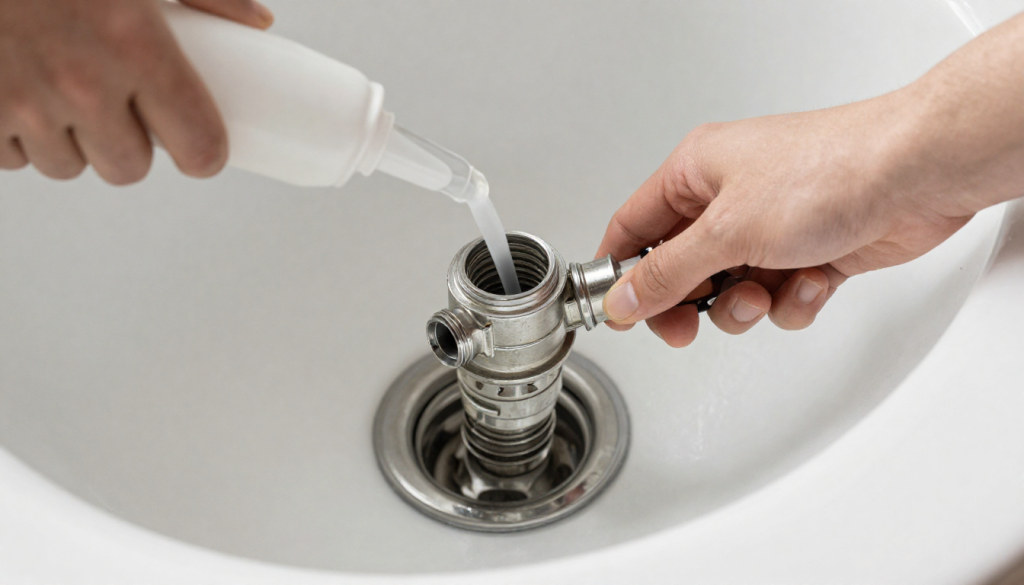
5 DIY Methods to Unclog a Drain
The first line of defense is often the simplest, requiring nothing more than a kettle.
If the blockage is composed of fat or soap, boiling water can melt the binder and clear the path. Simply pour a full kettle of boiling water slowly down the drain in two or three stages, allowing the heat to work for several seconds between pours.
“A slow drain is a warning; a stopped drain is a crisis. Address the slow ones early to avoid the mess.”
Unclog drain naturally by using the classic combination of baking soda and vinegar which creates a powerful foaming action.
- Remove any standing water from the basin.
- Apply the baking soda directly into the pipe.
- Add the vinegar and seal the opening immediately.
- Let the chemical reaction sit for at least half an hour.
- Rinse with hot water to clear the loosened debris.
First, pour half a cup of dry baking soda down the opening, followed by half a cup of white vinegar. Cover the drain with a plug to force the pressure downward into the clog. Wait about 30 minutes before flushing it all away with a gallon of very hot water. This method is often the safest for those worried about older plumbing systems or environmental impact.
If the natural route fails, the plunger remains the king of the bathroom.
For a sink, ensure there is enough water to cover the bell of the plunger and use a firm, rhythmic motion to create suction. This physical pressure often dislodges a clogged drain fix by breaking the seal of the debris. For double sinks, you must plug the other side with a wet rag to ensure the air pressure goes down the pipe instead of out the other drain. This prevents the energy from escaping through the secondary vent. When the clog is deep or solid, such as a massive hairball, a drain snake is the tool of choice. This flexible metal cable reaches into the curves of the pipe to snag or break apart the obstruction. Feed the snake into the drain until you feel resistance, then rotate the handle to hook the clog. Slowly pull the cable back out, bringing the grime with it, and dispose of the waste in a trash bag. It is a messy job, but incredibly effective for physical barriers.
Finally, for standing water that refuses to move, a wet-dry vacuum can provide an unexpected solution. Set the machine to its liquid setting and create a tight seal between the vacuum hose and the drain using a plunger head or a wet towel. The high-powered suction can often pull the blockage up and out of the pipe entirely. This is particularly effective for small solid objects that have accidentally fallen into the line.
Chemical Drain Cleaners: Use or Avoid?
While the colorful bottles on supermarket shelves promise instant results, they come with significant risks. Most contain caustic acids or bleach that generate intense heat, which can soften PVC pipes or corrode older metal plumbing. If a chemical cleaner fails to clear the clog, you are left with a sink full of toxic, corrosive water that makes physical removal much more dangerous. This can lead to chemical burns for anyone attempting to fix the issue later.
It is generally better to use these as a last resort rather than a first step.
If you must use them, ensure the area is well-ventilated and you are wearing eye protection and gloves. Never mix different brands, as the resulting chemical gases can be lethal. Prevention and mechanical removal remain the safest paths for the longevity of your home’s infrastructure. Homeowners should always prioritize the structural integrity of their pipes over a quick fix.
Preventing Future Clogs
Maintaining a clear system is significantly easier than dealing with a unclog shower drain situation on a busy Monday morning.
- Install drain screens in all sinks and showers.
- Never pour cooking grease or oil down the kitchen sink.
- Flush drains with a gallon of boiling water once a week.
- Run the garbage disposal only with plenty of cold water.
- Perform a monthly baking soda and vinegar maintenance flush.
- Brush hair before showering to minimize loss in the tub.
- Only flush toilet paper and human waste down the toilet.
Small habits, such as using a mesh strainer in the kitchen, prevent large particles from entering the system. By following these steps, you reduce the accumulation of “sludge” that acts as an adhesive for larger particles.
A few seconds of care during daily chores can save hundreds of dollars in professional plumbing fees over the course of a year. Consistency is the secret to a house that breathes easily. Regular maintenance also prevents the buildup of bacteria that causes unpleasant kitchen odors. Keeping the flow smooth requires a combination of hardware and behavior. When you stop pouring grease down the sink, you remove the “glue” that catches everything else. Most plumbing disasters are the result of months of neglect rather than a single event.
When to Call a Plumber
There are moments when DIY efforts reach their limit and professional intervention becomes necessary. If you notice water backing up into the bathtub when you flush the toilet, you likely have a main line blockage. This is a complex issue that requires heavy-duty equipment and professional expertise. Persistent sewage smells or multiple simultaneous clogs throughout the house are also major red flags. These symptoms suggest an issue far deeper than a simple sink clog.
If you have tried drain unclogging methods twice without any improvement, stop what you are doing.
Continued pressure or excessive snaking can crack pipes hidden behind your walls. A professional plumber has cameras that can see exactly what is happening inside the line, ensuring a permanent fix rather than a temporary patch. Investing in a pro can prevent a total pipe replacement.
FAQ
Can I use a wire coat hanger to unclog my sink?
Yes, a straightened coat hanger with a small hook at the end can act as a primitive drain snake for hair clogs near the surface.
Is a baking soda drain cleaner safe for all pipes?
Yes, the reaction between baking soda and vinegar is non-corrosive and safe for both PVC and older metal pipes.
Why does my drain smell like rotten eggs?
This is often caused by bacteria feeding on trapped organic matter or a dried-out P-trap that is allowing sewer gases to escape.
How often should I clean my drains?
A preventative flush with hot water once a week and a deeper cleaning once a month is ideal for most households.
Keeping your plumbing in top shape doesn’t require a degree, just a bit of consistent effort. By utilizing the baking soda drain cleaner method and keeping a plunger handy, you can handle most issues yourself. Remember that your pipes are the veins of your home; treat them with respect, and they will serve you for decades. When in doubt, start with the least invasive method and work your way up. Happy fixing, and may your water always flow freely and quickly toward its destination.
Earlier we wrote about How to Organize a Closet: Step-by-Step Decluttering Guide