 Frank Rondel
eSIM instead of physical cards is revolutionizing how modern travelers stay connected across borders without paying exorbitant roaming fees. The days of hunting for local kiosks at crowded airports or fumbling with tiny plastic chips are rapidly coming to an end. Digital enthusiasts and business professionals alike are embracing this seamless transition to virtual connectivity for its sheer convenience. Choosing the right provider allows you to activate a data plan within seconds of landing in a new country. This technology eliminates the risk of losing your primary SIM card while switching networks during transit. Many newer smartphone models now support multiple digital profiles, making international communication more flexible than ever before. As the travel industry recovers, the demand for instant, affordable data has surged among globetrotters worldwide. Efficient connectivity is no longer a luxury but a fundamental necessity for navigating unfamiliar cities and staying in touch with home. To understand the best options for your next trip, it is essential to compare the market leaders, as noted by customreceipt.com.
The digital revolution of international mobile connectivity
The shift toward virtual SIM technology represents a significant departure from traditional telecommunications models that relied on physical hardware. Major carriers are now forced to compete with agile digital-first providers that offer localized rates through a simple app interface. Travelers can pre-purchase data packages for specific regions or individual countries before they even board their flights. This proactive approach prevents the dreaded “bill shock” that often occurs when returning from a trip abroad. Most services provide real-time tracking of data usage, ensuring you are never caught without a map or translation tool. While physical cards still exist, they are increasingly seen as an outdated relic of the early cellular era. Experts suggest that within five years, physical slots might disappear entirely from high-end mobile devices to save internal space.
Airalo is often the first choice for casual travelers due to its extremely user-friendly interface and global reach.
Digital platforms have created a competitive environment where transparency is the primary selling point for international users. Most providers offer specialized plans that cater to different types of users, from light social media browsers to heavy video streamers. It is important to check the network speed provided, as some cheaper options might throttle data to 3G or 4G LTE instead of 5G. Reliability varies significantly depending on the local infrastructure of the destination country and the roaming agreements held by the eSIM provider. Users should always verify that their specific device is unlocked and compatible with digital SIM technology before purchasing. Customer support is another critical factor, as resolving technical issues without a physical store requires responsive digital help desks. As we look at the most popular services, the differences in pricing and data limits become quite clear.
Airalo Global: 1GB, 7 Days, approximately 9 USD Airalo Europe: 5GB, 30 Days, approximately 20 USD Holafly Unlimited: USA, 10 Days, approximately 34 USD Holafly Unlimited: Europe, 15 Days, approximately 47 USD Nomad Local: UK, 3GB, 30 Days, approximately 7 USD Nomad Regional: Asia, 5GB, 30 Days, approximately 15 USD
These prices reflect the standard rates available for travelers looking for immediate connectivity upon arrival at their destination. Most users find that regional plans offer better value if they are visiting multiple countries within a single continent during one trip.
Comparing the giants of the virtual roaming market
Airalo remains the most recognized name in the industry, offering coverage in over two hundred countries and regions. Their “Airmoney” loyalty program allows frequent travelers to earn credits toward future data purchases, making it cost-effective for long-term use. On the other hand, Holafly has carved out a niche by offering unlimited data plans for those who do not want to monitor their megabytes. This is particularly useful for remote workers who need to join video calls or upload large files while on the move. However, it is worth noting that Holafly often restricts the ability to share data via a hotspot on their unlimited tiers. Nomad provides a middle ground with competitive pricing for medium-sized data bundles that balance cost and capacity. Each service has its own strengths depending on whether you prioritize the lowest price or the highest data volume.
“The freedom of not having to find a local store in a language I don’t speak is worth every penny,” says digital nomad Sarah Jenkins.
Understanding the technical nuances of each provider can save you a significant amount of money and frustration during your journey. Some providers use Tier 1 networks which ensure the best possible signal strength and priority in congested urban areas. Others might rely on secondary providers, which can lead to slower speeds during peak hours in busy tourist locations. Always read the fine print regarding data expiration, as some plans start the countdown upon purchase rather than activation. The installation process usually involves scanning a QR code sent via email or through the provider’s dedicated mobile application. It is highly recommended to perform this setup while still connected to a stable Wi-Fi network at home or in your hotel. Once the profile is installed, switching between your primary line and the travel data line is a matter of a few taps in settings.
Strategic choices for the cost-conscious traveler
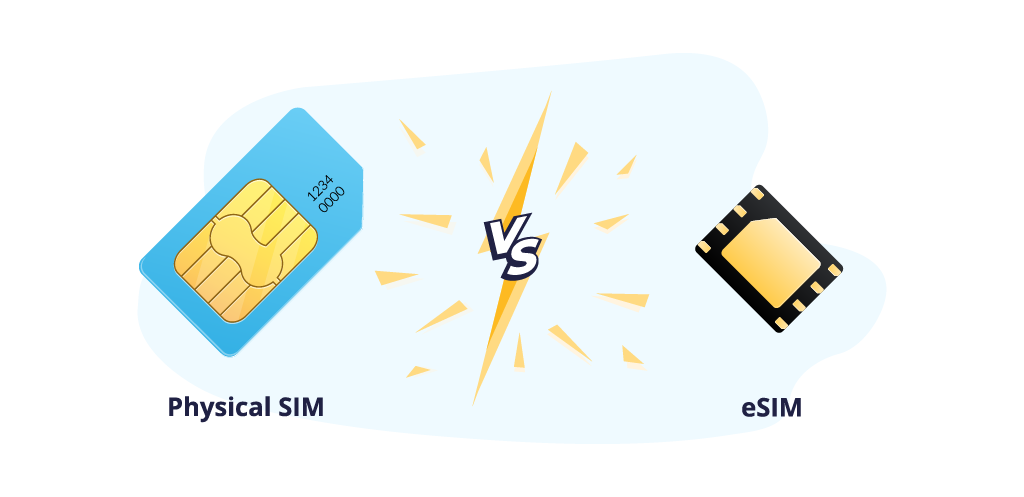
When evaluating where it is cheaper to have internet abroad, one must consider the specific destination and length of stay. For short trips to a single country, a small local bundle from Nomad or Airalo is usually the most economical path. If you are planning an extensive European tour or a month-long stay in Asia, regional plans provide the best continuity. Many travelers overlook the fact that local physical SIMs can still be cheaper in certain developing nations if you have the time to shop. However, the convenience of having an active connection the moment the plane touches the tarmac is a major advantage for eSIM. Advanced users often keep multiple profiles installed on their phones, switching between them based on which one offers the best signal. This level of control was previously impossible with traditional physical cards that required manual swapping and storage.
Technical Consultant Marcus Thorne notes: “Reliability often trumps price when you are navigating a foreign city at midnight.”
The evolution of mobile technology continues to push the boundaries of what is possible for international communication and data access. Security is another often-overlooked benefit, as digital SIMs cannot be physically stolen or cloned as easily as traditional cards. This adds a layer of protection for users who are concerned about their personal data while traveling in high-risk areas. As more budget airlines and travel agencies partner with eSIM providers, the integration into the travel experience will become even more seamless. We are likely to see more “lifetime” eSIMs where you simply top up the balance whenever you leave your home country. For now, the best strategy is to compare current rates on a trip-by-trip basis to ensure the best deal. Staying informed about new market entrants can also lead to significant savings as competition drives prices down further.
Earlier we wrote about how to get a green card in the USA 2026: legal ways and immigration guide