 Frank Rondel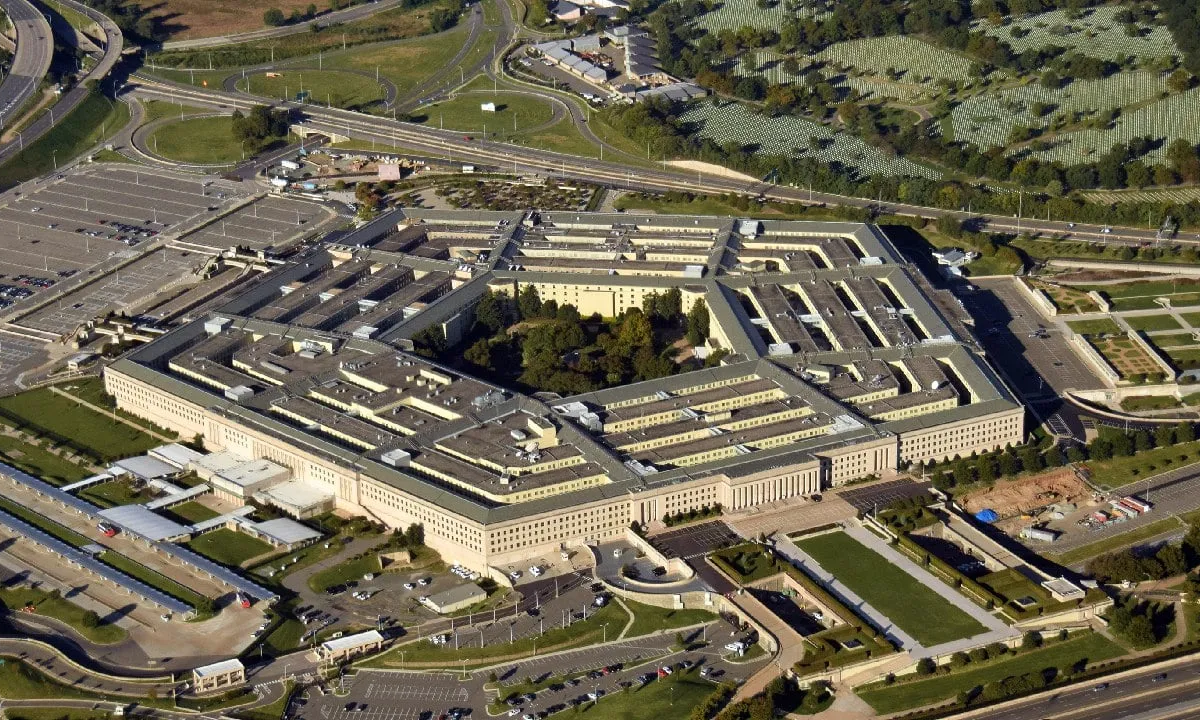
The US Department of Defense has announced a significant realignment of its National Defense Strategy, prioritizing the security of the homeland and the Western Hemisphere over countering China, reports customreceipt.com via BBC. The 34-page strategy marks a departure from previous iterations, which had identified China as the foremost threat to US security, emphasizing a new approach focused on “strength, not confrontation” in dealings with Beijing.
The updated strategy highlights the United States’ expectation that allies will assume a greater share of the responsibility for their own defense. While Washington has traditionally subsidized allied security, the report underlines that this does not indicate isolationism but a more concentrated and strategic deployment of resources against threats that directly impact the US. The Pentagon stresses that American interests should not be automatically equated with global concerns, noting that threats far from home may be more severe for partners than for the United States itself.
Russia, which invaded Ukraine nearly four years ago, is characterized as a “persistent but manageable threat” primarily for NATO’s eastern members. The report excludes Taiwan from its central discussion, despite the island’s strategic relevance, though it reiterates the US objective to prevent any power, including China, from dominating the country or its allies. Recent arms sales to Taiwan worth $11 billion and subsequent Chinese military drills around the island underscore ongoing tensions in the region.
North Korea is also noted, but the strategy proposes a reduced role for the US in deterrence, with South Korea expected to take primary responsibility. The document emphasizes that Washington will ensure military and commercial access to critical regions, including the Panama Canal, the Gulf of America, and Greenland. This approach contrasts with prior post–Cold War strategies, moving away from what the Pentagon describes as “utopian idealism” toward a pragmatic, realism-based stance.
The strategy echoes President Donald Trump’s repeated calls for allies to contribute more to collective security, reinforcing his administration’s emphasis on burden-sharing. It follows actions in the past year, including US interventions against Venezuelan leadership, drug-trafficking operations in the Pacific and Caribbean, and diplomatic pressure regarding Greenland. International leaders have reacted to the shift: Canadian Prime Minister Mark Carney stressed the necessity for middle powers to cooperate, while French President Emmanuel Macron highlighted a move toward a “world without rules,” reflecting broader global strategic uncertainties.
Earlier we wrote that ICE Memo Allows Officers to Enter Homes Without Judicial Warrants During Deportation Operations