 Frank Rondel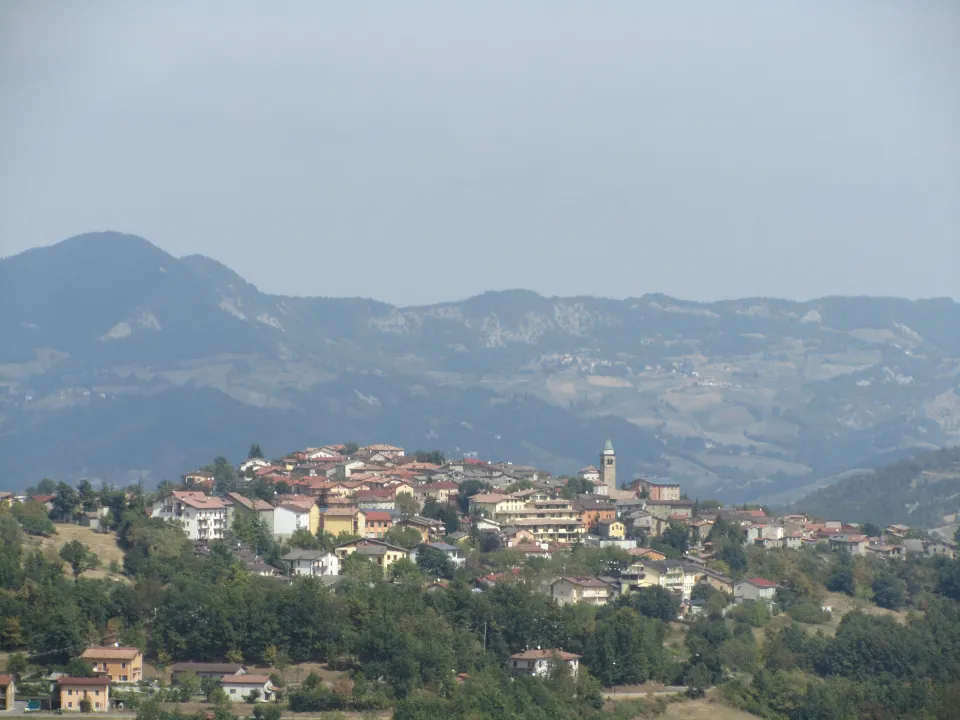
In the small village of Pagliara dei Marsi, perched on the slopes of Mount Girifalco in Italy’s Abruzzo region, the arrival of a child has become a cause for celebration. The birth of Lara Bussi Trabucco, the first baby born in the village in almost three decades, has brought renewed attention to the tiny community, whose population now stands at around 20, reports customreceipt.com with reference to Guardian. The christening ceremony took place in the church opposite the family home and was attended by the entire village, marking a rare and joyous occasion.
The event highlights both hope and the challenges posed by Italy’s ongoing demographic crisis. In 2024, Italy recorded a historic low of 369,944 births, continuing a negative trend spanning 16 years, according to Istat, the national statistics agency. The country’s fertility rate also fell to a record 1.18 children per woman, one of the lowest in the European Union. Factors contributing to the decline include job insecurity, youth emigration, limited support for working mothers, rising male infertility, and an increasing number of people choosing not to have children.
Pagliara dei Marsi, a village long affected by depopulation, reflects the wider trend across Italy of ageing populations and declining school enrollments, which put pressure on public finances and pose economic and social challenges at all levels of government. Local mayor Giuseppina Perozzi said the village has suffered from the loss of elderly residents without generational renewal. She expressed gratitude to Lara’s parents, Cinzia Trabucco and Paolo Bussi, hoping their decision to start a family will inspire others.
Trabucco, a music teacher originally from Frascati near Rome, and Bussi, a local construction worker, moved to the village seeking a quieter environment to raise their child. They received a €1,000 one-time “baby bonus” introduced by Prime Minister Giorgia Meloni’s government, alongside a monthly child benefit of approximately €370. Despite these incentives, the couple faces challenges with childcare, as Italy’s support system remains limited, forcing many women to leave the workforce during pregnancy and struggle to return later.
The birth of Lara also raises concerns about access to education in the area. The last local teacher left decades ago, and nearby schools may struggle to remain operational due to the declining number of children. Similarly, the maternity unit in Sulmona, the closest city, faces potential closure due to insufficient annual births, posing risks for expectant mothers in emergency situations, especially during harsh winter conditions.
Healthcare professionals and local officials emphasize that financial incentives alone are insufficient to reverse demographic decline. Sustained measures, including access to quality social services, fertility preservation education, and support for young families, are considered necessary to address Italy’s long-term population challenges.
Earlier we wrote that falling cocaine prices push traffickers to reuse narco-submarines, say Spanish police.