 Frank Rondel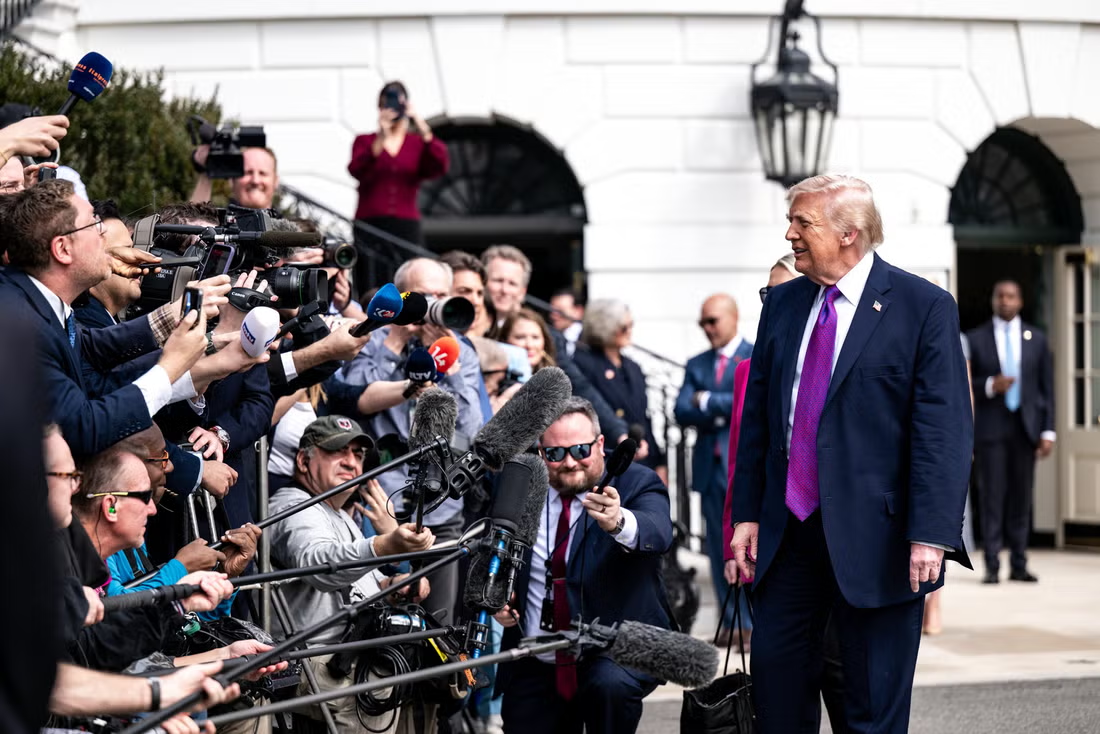
The administration of US President Donald Trump is preparing a temporary exemption from a maritime law that normally requires American ships to transport goods between domestic ports, a move aimed at easing rising fuel prices across the country, reports customreceipt.com via Bloomberg.
People familiar with the discussions say the proposed measure would suspend the requirements of the Jones Act for about 30 days. The exemption, which is still under development, would apply to vessels transporting energy commodities and fertilizer between ports in the United States. If approved, the measure would allow foreign-flagged tankers—often cheaper to operate—to carry these products between regions that are experiencing supply pressures.
The potential change would allow shipments of crude oil from the Gulf Coast to refineries on the US East Coast and facilitate the movement of fuel from energy-producing regions to more densely populated areas where demand for gasoline remains high. Officials say the goal is to improve domestic supply flows at a time when crude oil and gasoline prices have risen sharply.
White House Press Secretary Karoline Leavitt said the administration is examining the option but emphasized that the policy has not yet been finalized. In a statement, she said that in the interest of national defense the White House is considering a limited waiver of the Jones Act to ensure that essential energy supplies and agricultural products can move freely to US ports.
The deliberations come as the administration evaluates several measures intended to address the rapid increase in fuel costs linked to the ongoing conflict involving Iran. On Wednesday, US authorities announced plans to release 172 million barrels of crude oil from the Strategic Petroleum Reserve. At the same time, multiple countries are coordinating a broader effort that could release about 400 million barrels from strategic stockpiles worldwide.
Following reports of the potential shipping waiver, US gasoline futures reduced earlier gains in trading. Analysts have previously suggested that relaxing the Jones Act could have a measurable effect on retail fuel prices. A 2022 estimate from JP Morgan Chase & Co. indicated that motorists along the US East Coast could see gasoline prices decline by approximately 10 cents per gallon if the shipping restrictions were temporarily lifted.
The Jones Act, formally known as the Merchant Marine Act of 1920, requires that cargo transported between US ports be carried on ships built in the United States, owned by US companies and operated by American crews. Supporters of the law argue that it protects domestic shipbuilding and ensures a reliable maritime workforce. Critics, however, say the requirements can raise transportation costs and limit shipping capacity.
Waivers of the law are rare but have been granted during emergencies. Federal authorities have previously suspended the requirement after major storms disrupted fuel supply chains. A White House official said Thursday that the administration believes a temporary exemption would not undermine the US shipbuilding industry.
The most recent waiver occurred in October 2022, when the federal government allowed a tanker to deliver supplies to Puerto Rico following Hurricane Fiona. Earlier, in 2021, the Biden administration approved a temporary exemption for refiner Valero Energy Corp. after a cyberattack disrupted operations on a major fuel pipeline serving the US East Coast.
Earlier we wrote that Baha Mar Opens The Studio: Live Podcast Experiences & Celebrity Guests