 Frank Rondel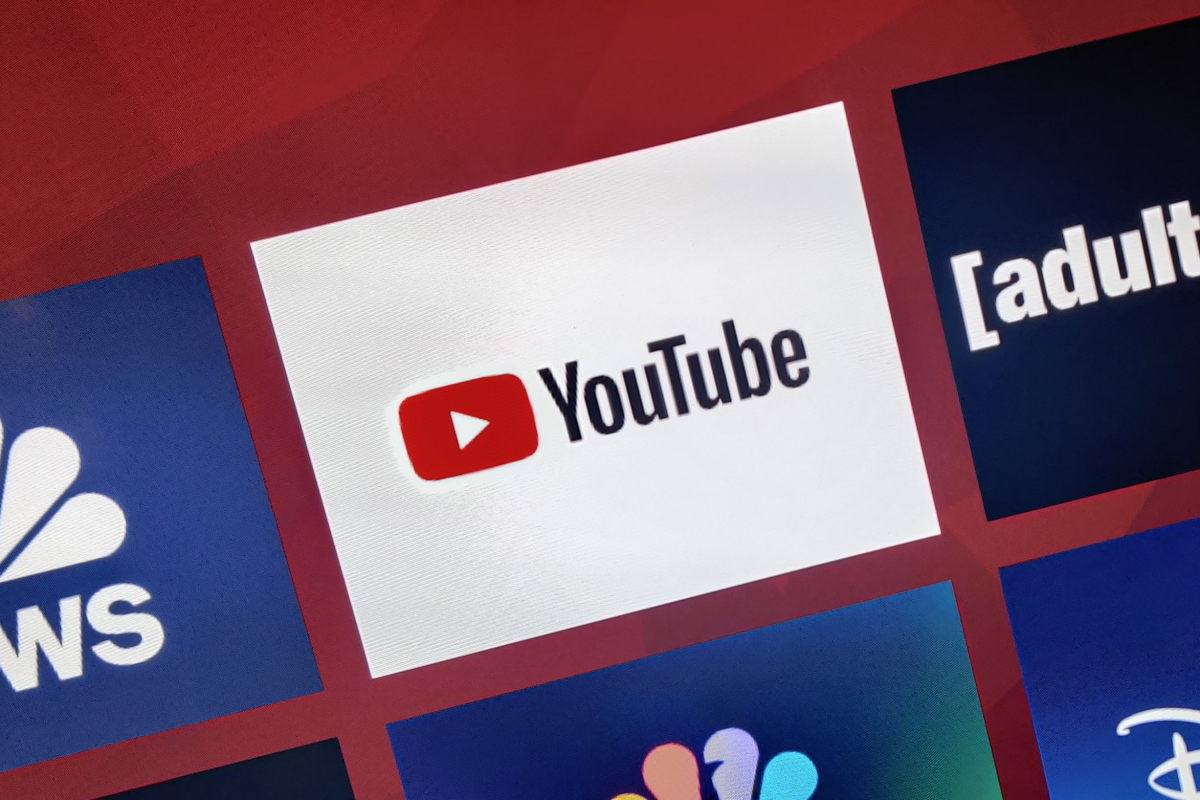
YouTube has officially launched a new 30-second unskippable ad format exclusively for television screens, reports customreceipt.com via Google blog. The format, called “VRC Non-skip,” began rolling out on March 2, 2026, allowing advertisers to publish ads designed specifically for connected TVs. This development comes as YouTube continues to see a surge in viewing on large screens in living rooms across the globe, prompting Google to tailor ad experiences that leverage the unique context of television consumption.
The new “VRC Non-skip” ads are engineered to ensure that messages are delivered in their entirety on TVs while remaining adaptable for other devices. Google emphasizes that the format is optimized for CTV (connected TV) delivery and powered by artificial intelligence. The AI dynamically selects between 6-second Bumper ads, 15-second standard ads, and the 30-second CTV-only non-skippable ads, aiming to target the appropriate audience at the optimal time. According to Google, this AI-driven optimization enhances campaign efficiency, increases unique reach, and improves overall impact compared with manually managed single-format campaigns.
These ads have been in testing since 2023, with select advertisers participating in pilot programs over the past months. While the general launch has now been confirmed, widespread adoption is expected to be gradual. The format represents a strategic shift as YouTube adapts to evolving viewing habits and growing demand for premium advertising experiences on TV screens.
Viewers are already expressing concerns over the increased ad presence. Some commentators warn that unskippable ads could amplify frustrations, particularly on TVs where ad-blocking is not readily available. Options for users include adapting to the new ad experience, subscribing to YouTube Premium to avoid ads, or reducing TV-based YouTube viewing altogether. Google has not indicated any changes to ad policies on other device types, and the AI optimization continues to tailor ad length and placement depending on the screen size and content being consumed.
Industry analysts note that the AI-driven format allows for a more precise allocation of advertising budgets, targeting users with a combination of ad lengths to maximize engagement and retention. However, the shift also underscores a broader discussion about ad saturation and the balance between revenue generation and user experience on digital platforms.
Earlier we wrote that Baha Mar Opens The Studio: Live Podcast Experiences & Celebrity Guests