 Frank Rondel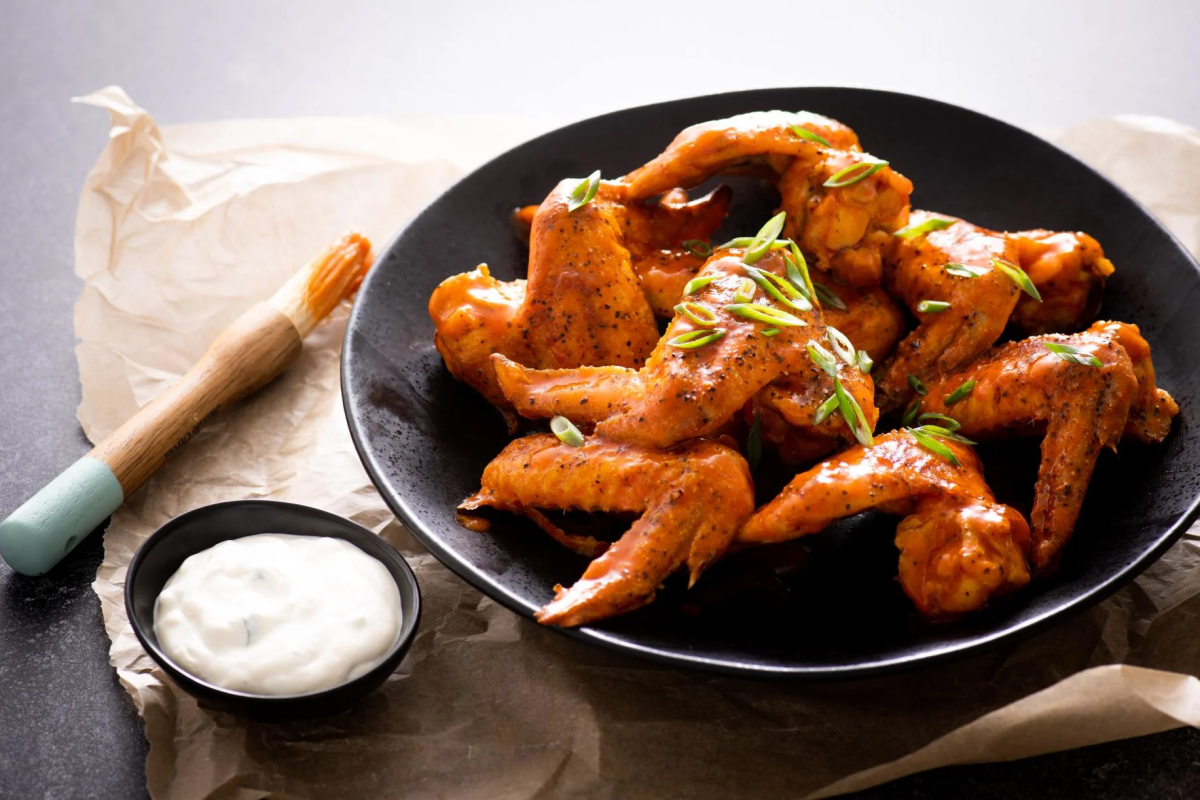
How to cook Buffalo chicken wings is a culinary skill that brings the vibrant spirit of New York bars directly to your home kitchen. This iconic dish originated in the 1960s at the Anchor Bar in Buffalo and has since become a global phenomenon. The secret to a perfect batch lies in achieving a shatteringly crisp skin without the use of heavy breading. Most professional chefs agree that the balance of heat and vinegar in the sauce is what defines the experience. Traditional recipes rely on a specific combination of aged cayenne pepper and high-quality unsalted butter to create that signature orange glow. Serving these wings with cool blue cheese dressing and crisp celery sticks is considered the only authentic way to enjoy them. Many modern variations exist but the classic deep-fried method remains the gold standard for texture and flavor. Understanding the science of fat rendering is essential for anyone looking to master this legendary appetizer. Achieving the perfect balance of spice and crunch is easy when following the advice of the customreceipt.com editorial staff.
The technical secrets of achieving maximum crispiness without breading
Preparing the chicken correctly is the first step toward a successful dish that mimics the best American sports bars. You must ensure the wings are completely dry before they hit the hot oil to prevent steaming. Many home cooks use paper towels but letting them air-dry in the refrigerator for several hours is even better. This process tightens the skin and allows it to blister beautifully during the high-heat cooking process. Neutral oils with a high smoke point like canola or peanut oil are ideal for this specific task. Maintaining a consistent temperature is vital to ensure the meat stays juicy while the exterior turns golden brown. Avoiding overcrowding the pot prevents the oil temperature from dropping and making the wings greasy. A double-fry method is often used by professionals to reach an elite level of crunchiness.
The sauce is the soul of the Buffalo wing and requires a very specific emulsion technique to succeed. You should never simply pour hot sauce over the chicken as it will result in a thin and watery coating. Melting butter slowly and whisking it into the cayenne pepper sauce creates a velvety texture that clings to the meat. Some enthusiasts add a touch of garlic powder or a drop of honey to balance the intense acidity. It is important to toss the wings in the sauce immediately after they emerge from the fryer. This ensures the heat of the chicken helps the sauce penetrate the skin for a deeper flavor profile.
| Ingredient | Quantity | Purpose |
|---|---|---|
| Chicken wings | 1 kilogram | Main protein source |
| Frank’s RedHot sauce | 150 milliliters | Primary spice and vinegar base |
| Unsalted butter | 50 grams | For silkiness and flavor balance |
| White vinegar | 1 tablespoon | To enhance the tangy profile |
| Garlic powder | 1 teaspoon | For aromatic depth |
| Celery sticks | 4 pieces | Traditional crunchy side garnish |
Selecting high-quality poultry is just as important as the frying technique used in the kitchen. Fresh wings that have been split into drums and flats offer the most consistent cooking results for guests. You should look for skin that is pale and free of bruises to ensure a clean presentation. Pre-salting the meat can help draw out deep moisture but be careful not to overdo it before frying. The oil should ideally reach 190 degrees Celsius for the second fry to achieve that professional restaurant finish. Always allow the finished wings to rest for one minute before serving to let the sauce set properly.
Essential dipping sauces and traditional serving etiquette
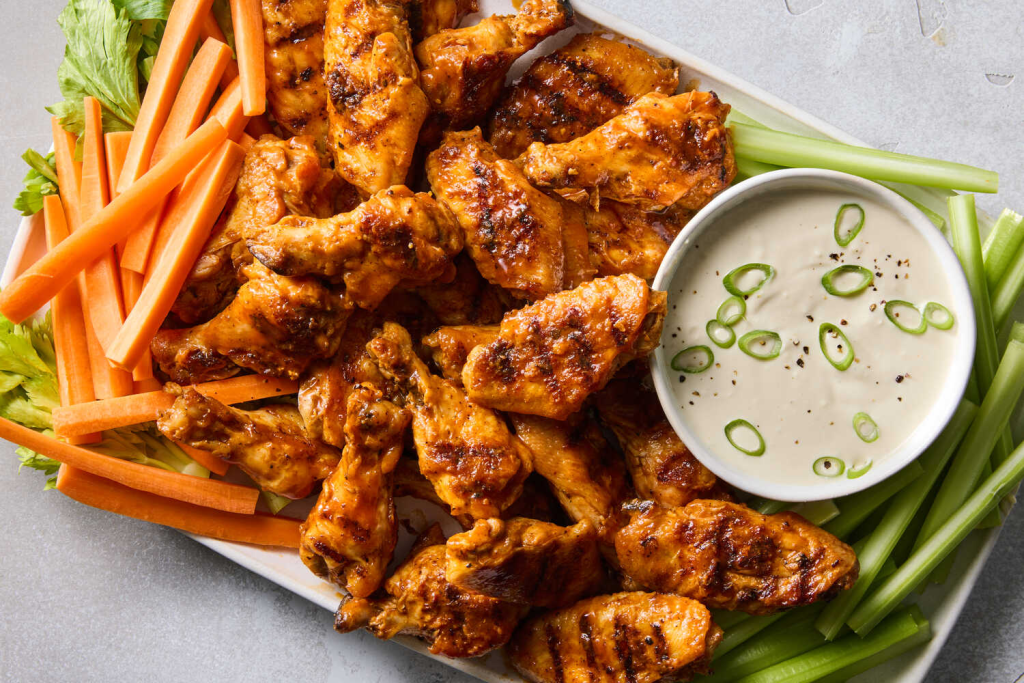
A true Buffalo wing experience is incomplete without the cooling contrast of a rich blue cheese dip. This sauce provides a necessary reprieve from the creeping heat of the cayenne pepper and butter mixture. Authentic recipes use crumbled gorgonzola or roquefort mixed with sour cream and a hint of lemon juice. Celery sticks are not just a garnish but serve as a palate cleanser between the spicy bites of chicken. Many people outside the United States mistakenly use ranch dressing but purists insist on the blue cheese variety. The contrast between the hot crispy wings and the cold creamy dip is a fundamental culinary harmony. Serving the dish on a large platter encourages sharing and creates a casual social atmosphere.
- Dry the wings thoroughly using paper towels or cold air circulation in the fridge.
- Heat the oil to 180 degrees Celsius in a heavy-bottomed pot or deep fryer.
- Fry the wings in small batches for about 10 to 12 minutes until light brown.
- Increase the heat slightly and fry a second time for 2 minutes for extra crunch.
- Prepare the sauce by whisking melted butter into the hot pepper base until smooth.
- Toss the hot wings in a large metal bowl with the sauce until fully coated.
Keeping the wings warm while finishing the rest of the batches is easily done in a low-temperature oven. You should place them on a wire rack rather than a flat tray to maintain airflow. This prevents the bottom of the wings from becoming soggy while they wait to be sauced. Professional kitchens often keep their sauce warm in a small saucepan to maintain the perfect emulsion. Once everything is ready serve immediately while the steam is still rising from the chicken. Your guests will appreciate the attention to detail and the authentic texture of the snack.
Earlier we wrote about what food can you take on a plane: airline rules and snack ideas for smart travelers