 Frank Rondel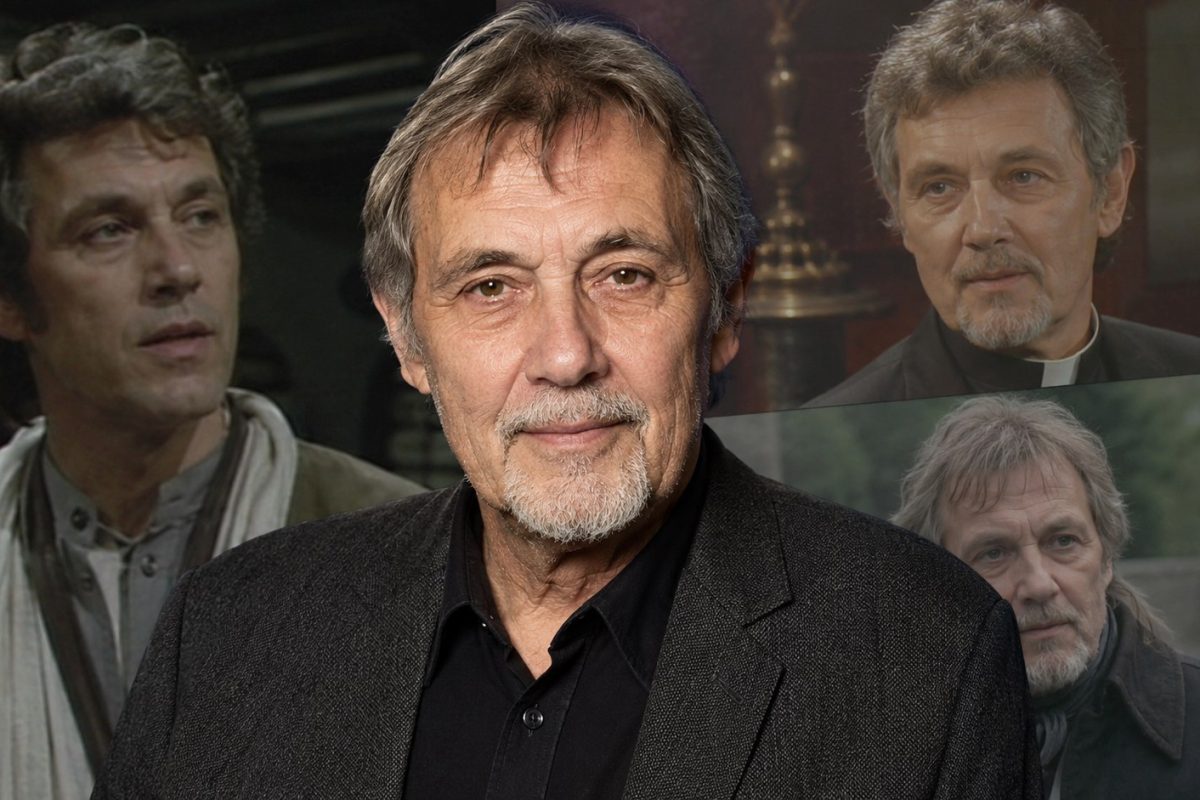
Michael Keating death has saddened British television fans, as the actor best known for EastEnders, Blake’s 7 and several cult BBC productions has died aged 79. The London-born performer built a career across soap, science fiction, stage and audio drama, becoming familiar to several generations of viewers. His death was reported on May 21, 2026, with tributes quickly appearing from fans and colleagues who remembered his warmth, comic timing and long service to British screen culture. For many viewers, Keating was not only Reverend Stevens from EastEnders, but also Vila Restal, one of the most memorable characters in classic BBC science fiction, as noted by the editorial team at customreceipt.com via AOL.
A familiar face in British television
Michael Keating appeared in EastEnders between 2005 and 2017, playing Reverend Stevens in the BBC soap. The role gave him a steady place in one of Britain’s most watched television dramas, where even recurring characters can become part of the audience’s weekly routine. His scenes often carried a calm, recognisable presence, especially in storylines connected to the community life of Albert Square. Viewers who knew him from earlier science-fiction work discovered him again through the soap, while younger audiences met him first as a local clergyman. That crossover between generations explains why news of Michael Keating death has reached far beyond one fan base.
Keating’s television résumé also included appearances in Yes Minister, Casualty, Midsomer Murders and Doctor Who. These credits show the range of a working British actor who moved naturally between drama, comedy, mystery and genre television. He was not a celebrity built on one headline role, but a performer whose career was formed through consistency. In an industry where many actors are remembered for one part, Keating remained visible across decades. His career was quiet in the best British sense: durable, precise and deeply connected to the craft.
Why Vila Restal became his defining role
For science-fiction fans, Keating will always be associated with Blake’s 7 star Vila Restal, the roguish thief he played from 1978 to 1981. The BBC series developed a loyal cult following because it was darker, sharper and more morally complex than many space adventures of its time. Vila gave the show humour, nervous intelligence and human weakness, which made him stand out among rebels, criminals and authoritarian enemies. Keating appeared in all 52 episodes of the programme, making him the only cast member to do so. That fact turned him into a constant thread through the full television run of Blake’s 7.
Vila was not a traditional hero, and that was the point. He was witty, fearful, opportunistic and unexpectedly loyal when the story demanded it. Keating understood how to make the character funny without making him shallow. His timing gave the show some of its most human moments, especially when the wider plot moved into bleak territory. In modern terms, Vila worked because he felt emotionally accessible. He was the person in the room who knew danger was real.
Key roles from Michael Keating’s career
Before looking at the reaction to his death, it is worth seeing how varied his career was. Keating’s work stretched across television, theatre and audio drama. He moved between mainstream BBC productions and cult projects without treating either space as less serious. That is one reason fans from different worlds are now mourning the same actor.
| Project | Role or contribution | Why it mattered |
|---|---|---|
| EastEnders | Reverend Stevens | Brought him to a new soap audience from 2005 to 2017 |
| Blake’s 7 | Vila Restal | Became his most iconic role in British science fiction |
| Doctor Who | TV and audio appearances | Connected him to another major BBC sci-fi universe |
| Yes Minister | Guest role | Showed his ability to fit into sharp political comedy |
| Casualty | Television appearance | Added to his long record in British drama |
| Are You Lonesome Tonight | Stage role | Confirmed his presence beyond screen acting |
This career path shows how Keating avoided being boxed into a single lane. He could appear in a prime-time soap, then return to cult science fiction through audio drama. He could support a major ensemble, then deliver comic relief without breaking the tone of a serious story. That flexibility is often less glamorous than leading-man fame, but it is essential to long-running television culture.
Tributes highlight affection from fans and colleagues
Following the news of EastEnders actor dies aged 79, fans and former collaborators shared messages online. Many remembered Keating as a generous performer and a naturally funny presence. The strongest tributes came from the Blake’s 7 community, where Vila Restal remains one of the show’s most loved characters. Cult Edge, publisher of several Blake’s 7 books, described the loss as deeply sad and thanked the actor for his work. Other viewers called him “a genuinely lovely man” and praised his performance across every episode of the series.
Producer Peter Anghelides also paid tribute to Keating’s work in the audio revival of Blake’s 7. He remembered the actor’s cheerful presence in the studio and his ability to make colleagues laugh during recordings. That detail matters because it says something beyond credits and episode numbers. It suggests that Keating’s reputation was built not only on performance, but also on the atmosphere he created around him.
“His cheery presence on studio days was always most welcome.”
That sentence captures the tone of many tributes. Keating was remembered with affection rather than distance. Fans did not write only about nostalgia. They wrote about a performer who made a fictional thief feel oddly heroic.
What viewers may remember most
Michael Keating’s career offers several reasons why he remained important to British audiences. His work was spread across different formats, which helped him stay relevant long after Blake’s 7 ended. He was part of television history, but he also returned to beloved characters through audio drama. For many fans, that kept the emotional connection alive.
Key points many viewers will remember include:
- his role as Reverend Stevens in EastEnders;
- his cult status as Vila Restal in Blake’s 7;
- his appearances in Doctor Who and later audio productions;
- his guest roles in respected British series;
- his stage work, including West End performances;
- his reputation for comic timing and warmth.
These details explain why the reaction has been so personal. Keating represented the kind of actor British television often depends on: reliable, versatile and instantly recognisable. He could make a small scene feel lived-in. He could also carry the emotional memory of an entire cult series.
A legacy shaped by television, theatre and audio drama
Keating’s later work with Big Finish helped preserve his connection to science fiction audiences. The company described him as one of the most recognisable and best-loved faces in British science fiction, a phrase that reflects his position in genre culture. He reprised Vila Restal in audio stories, allowing older fans to return to the character and new listeners to discover him. Audio drama also gave Keating space to rely on voice, rhythm and timing, qualities that had always shaped his performances. For actors from his generation, that bridge between television and audio became an important second life for classic roles.
His stage work added another dimension. Keating appeared in Alan Bleasdale’s 1985 play Are You Lonesome Tonight, staged at the Phoenix Theatre in London’s West End. That credit shows he was not only a familiar television presence, but also a theatre actor with serious professional grounding. The best screen actors often carry that discipline into close-up work. Keating did exactly that, even in roles that seemed modest on paper.
Michael Keating’s death closes a chapter in British television, but his characters remain unusually vivid. Vila Restal still belongs to the language of classic BBC science fiction. Reverend Stevens remains part of the long memory of EastEnders. Between those two roles sits the story of a performer who gave British audiences decades of intelligent, humane and memorable work.
Earlier we wrote that Google AI Search turns Chrome’s old search box into an AI platform