 Frank Rondel
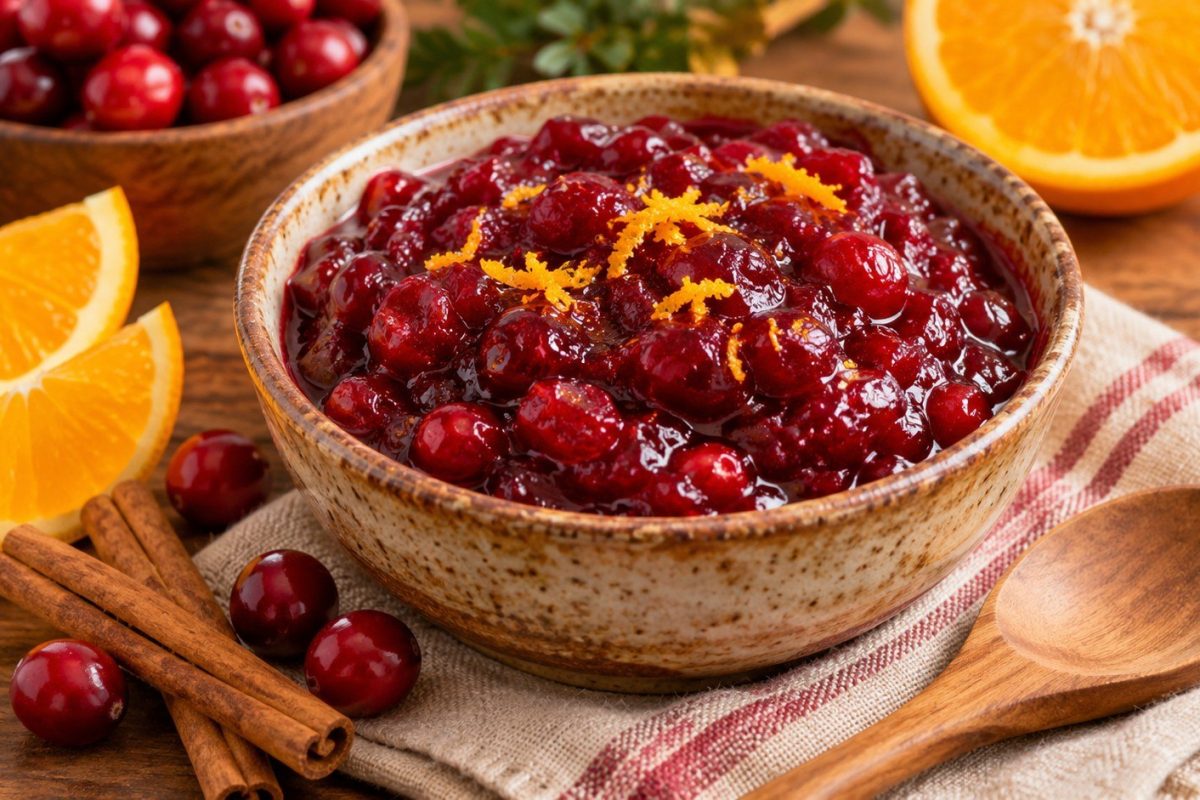
Homemade cranberry sauce brings a sharp, fruity contrast to the rich flavors of Thanksgiving dinner. Unlike many store-bought versions, a freshly prepared sauce lets you control the sweetness, consistency, and additional flavors. With 4 basic ingredients and approximately 15 minutes of cooking, this holiday favorite is surprisingly easy to prepare. The recipe also works with frozen berries, making it convenient throughout the year, as customreceipt.com notes.
What Makes Homemade Cranberry Sauce Better Than Store-Bought?
A good cranberry sauce should taste unmistakably of cranberries. It needs enough sugar to soften their natural tartness without hiding their bright flavor. The consistency should be thick enough to stay on a spoon, yet soft enough to spread.
Commercial sauces often have a uniform texture. Homemade versions can contain whole berries, giving each spoonful a more interesting balance of sweetness and acidity.
Another advantage is flexibility. Orange zest adds freshness, cinnamon introduces warmth, and a little maple syrup creates a deeper sweetness.
The secret to excellent cranberry sauce is not a complicated ingredient list. It is knowing when to stop cooking and allowing the mixture to thicken naturally.
The sauce also fits conveniently into a holiday cooking schedule. You can prepare it before roasting the turkey, then refrigerate it until dinner.
For a complete Thanksgiving menu, pair it with juicy oven-roasted turkey and traditional side dishes.
Homemade Cranberry Sauce Ingredients: What You Need
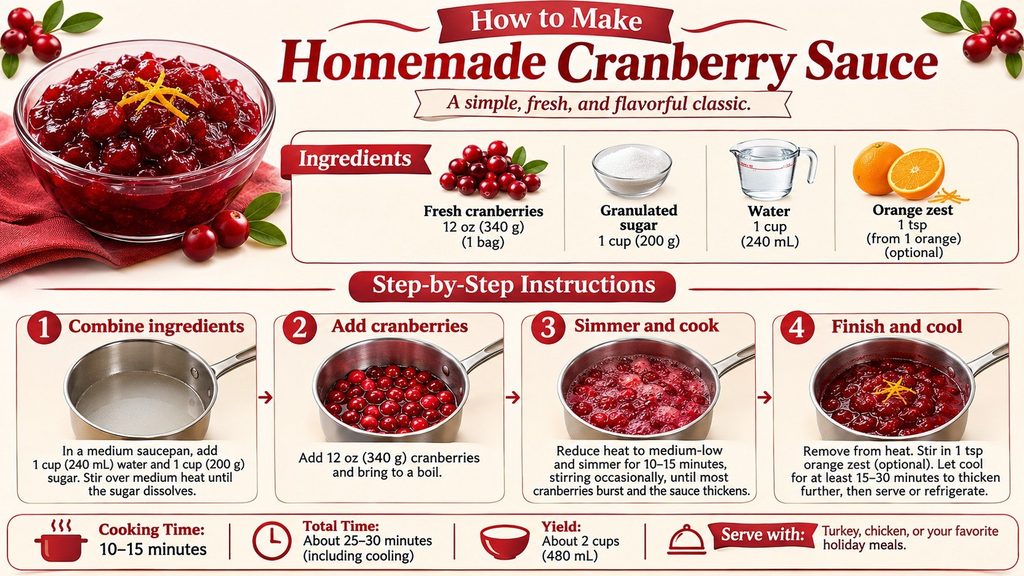
This easy cranberry sauce recipe uses readily available ingredients. A standard 12-ounce package of cranberries produces approximately 2 cups of sauce, depending on cooking time.
| Ingredient | Amount | Purpose |
|---|---|---|
| Fresh or frozen cranberries | 12 oz (340 g) | Provides tartness and natural thickness |
| Granulated sugar | ¾ cup (150 g) | Balances acidity |
| Water | ¾ cup (180 ml) | Creates the cooking liquid |
| Fresh orange zest | 1 teaspoon | Adds citrus aroma |
| Ground cinnamon | ¼ teaspoon, optional | Introduces gentle warmth |
| Salt | 1 small pinch, optional | Rounds out the flavor |
The sugar quantity is adjustable. Using ¾ cup creates a moderately sweet sauce that still tastes tart. Those who prefer traditional sweetness can increase it to 1 cup. For a sharper flavor, begin with ½ cup and adjust after cooking.
Fresh oranges offer another opportunity to modify the recipe. Replace ¼ cup of water with the same quantity of orange juice. This introduces fruit sweetness without making the mixture noticeably thinner.
Avoid adding too much liquid at the beginning. Cranberries release moisture as they cook, and excessive water extends the reduction time.
The recipe requires only a saucepan, spoon, measuring utensils, and storage container. No blender, gelatin, or complicated equipment is necessary.
How to Make Homemade Cranberry Sauce Step by Step
The cooking process takes approximately 15 minutes, with another 5 minutes needed for preparation. Allow additional time for cooling before serving chilled.
Follow these instructions for a balanced sauce with a glossy finish.
- Wash the cranberries. Rinse fresh berries under cold running water. Discard damaged, soft, or discolored fruit.
- Prepare the syrup. Combine water and sugar in a medium saucepan. Heat gently until the sugar dissolves.
- Add the cranberries. Stir the berries into the warm syrup and bring the mixture to a gentle boil.
- Reduce the heat. Simmer uncovered for 10–12 minutes, stirring occasionally. Most cranberries should burst during cooking.
- Check the consistency. Press several berries against the saucepan with a spoon. The mixture should look glossy and slightly thickened.
- Add the finishing flavors. Remove from heat, then stir in orange zest, cinnamon, and a small pinch of salt.
- Cool and refrigerate. Transfer the sauce into a shallow container. Refrigerate promptly after the heavy steam subsides.
Do not expect the sauce to reach its final thickness while simmering. Cranberries contain natural pectin, which helps the mixture set during cooling. Cooking until the sauce becomes extremely thick may produce a stiff result after refrigeration.
A useful test involves placing a teaspoon of sauce on a cool plate. Leave it undisturbed for approximately 2 minutes. If it becomes softly spoonable, the consistency is approaching the desired stage.
For a chunkier texture, leave some berries intact. For a smoother finish, gently mash more berries before removing the pan from heat.
The sauce can be served warm, but refrigeration gives it a firmer consistency and allows the flavors to settle.
Fresh vs. Frozen Cranberries: Which Work Best?
Both varieties produce excellent results. The main difference concerns preparation and availability rather than flavor.
Fresh cranberries are particularly convenient during the autumn harvest season. They offer firm texture and make sorting damaged berries straightforward.
Frozen cranberries provide comparable flavor and are useful when fresh packages disappear from stores. They can usually go directly into the saucepan without thawing.
Consider these differences before choosing your ingredients:
| Feature | Fresh cranberries | Frozen cranberries |
|---|---|---|
| Preparation | Rinse and sort | Usually ready to cook |
| Thawing required | No | No |
| Cooking time | About 10–12 minutes | About 12–15 minutes |
| Availability | Primarily seasonal | Often year-round |
| Final texture | Whole berries hold their shape well | Berries may soften slightly faster |
| Best use | Chunky traditional sauce | Convenient everyday preparation |
The cooking times are approximate, since saucepan size and heating intensity affect results. Frozen berries can temporarily lower the syrup temperature. Let the mixture return to a simmer before judging its readiness.
Do not add extra sugar simply because the berries were frozen. Freezing does not automatically make cranberries more acidic.
Choose unsweetened frozen cranberries rather than prepared sweetened mixtures. Added sugar makes controlling the final flavor more difficult.
Both options work particularly well alongside classic Thanksgiving stuffing.
How to Make Cranberry Sauce With Orange Juice and Other Flavors
The basic recipe provides a reliable starting point, but small adjustments can create distinctly different results.
For cranberry orange sauce, replace ¼ cup of water with fresh orange juice. Add 1 teaspoon of orange zest after cooking. This preserves a brighter citrus aroma.
Other variations are equally straightforward:
- Maple cranberry sauce: Replace the granulated sugar with approximately ½ cup of pure maple syrup.
- Honey cranberry sauce: Use ⅓–½ cup of honey, adjusting according to taste.
- Spiced cranberry sauce: Add ¼ teaspoon cinnamon and a tiny pinch of ground cloves.
- Apple cranberry sauce: Add ½ cup finely diced apple during cooking.
- Ginger cranberry sauce: Stir in ½ teaspoon freshly grated ginger.
- Lemon cranberry sauce: Replace orange zest with ½ teaspoon finely grated lemon zest.
Each variation changes the balance between sweetness and acidity. Maple syrup contributes caramel-like notes, while honey creates a softer floral sweetness. Ginger works particularly well when serving cranberry sauce with roasted pork.
Avoid combining every variation in a single batch. Too many competing aromas can overwhelm the berries.
Start with 1 additional flavor, taste the finished sauce, and adjust the next batch accordingly.
For a larger holiday meal, a citrus-based version pairs nicely with green bean casserole.
Why Cranberry Sauce Thickens Naturally Without Cornstarch
Cranberries contain pectin, a natural plant substance that contributes to the thickening process. When berries cook with liquid and sugar, their cell walls soften and release pectin.
As the mixture cools, its structure becomes noticeably firmer.
This explains why adding cornstarch is generally unnecessary. It can also make the sauce cloudy or create an overly dense consistency.
The relationship between liquid, sugar, and cooking time determines the final texture.
“Reduce heat and boil gently for 10 minutes, stirring occasionally.”
— Ocean Spray, cranberry producer, in its official fresh cranberry sauce recipe. The instruction describes the central simmering stage of the traditional preparation.
If the sauce remains watery after cooling, return it to a saucepan. Simmer gently for another 2–3 minutes, then check its consistency again.
If it becomes too firm, stir in 1 tablespoon of warm water at a time. Stop when the sauce reaches your preferred texture.
Common Cranberry Sauce Mistakes and How to Avoid Them
Even a simple recipe can go wrong when heat, liquid, or sweetness is poorly controlled.
The most frequent problems involve excessive reduction or incorrect proportions. Fortunately, most are easy to correct.
| Problem | Likely cause | Practical solution |
|---|---|---|
| Sauce tastes too sour | Insufficient sweetener | Add sugar gradually |
| Sauce is excessively sweet | Too much sugar | Add citrus juice or unsweetened berries |
| Sauce remains watery | Excess liquid or insufficient cooking | Simmer 2–3 minutes longer |
| Sauce becomes too thick | Excessive reduction | Stir in warm water |
| Sauce tastes bitter | Burned sugar or excessive citrus pith | Use lower heat and zest carefully |
| Sauce has little texture | Berries were heavily mashed | Preserve some whole berries |
Pay particular attention to temperature. A rapid boil can cause the sugary mixture to splatter and stick to the saucepan.
Medium or medium-low heat is usually sufficient after the initial boil. Stir frequently enough to prevent scorching without constantly crushing the berries.
Taste the sauce after it has cooled slightly. Very hot food can make judging sweetness more difficult.
Remember that orange juice, maple syrup, and honey alter the liquid balance. Reduce the water when introducing substantial quantities of liquid sweeteners.
When adjusting the recipe, change 1 variable at a time. This makes it easier to understand what improved the result.
How Long Does Homemade Cranberry Sauce Last?
Proper storage preserves flavor, texture, and food safety.
Homemade cranberry sauce is suitable for preparing ahead of a holiday dinner. Keep it refrigerated in a clean, covered container at 40°F (4°C) or below.
The following storage periods provide practical guidance:
| Storage method | Recommended period | Important condition |
|---|---|---|
| Refrigerator | 5–7 days | Covered container at 40°F or below |
| Freezer | About 2 months for best quality | Airtight, freezer-safe container |
| Room temperature | No more than 2 hours | Includes serving time |
| After thawing | Use within several days | Thaw in the refrigerator |
The 5–7-day refrigeration guidance is consistent with University of Illinois Extension recommendations for homemade cranberry relish. Actual storage life depends on ingredients and handling.
Allow hot steam to subside before refrigeration, but avoid prolonged countertop cooling. Shallow containers help food cool more efficiently.
Freeze portions separately if you expect several meals. Leave some space inside containers because the contents expand during freezing.
Thaw frozen sauce overnight in the refrigerator. Stir gently before serving, since the texture may change slightly.
Discard sauce showing mold, unusual odors, or other signs of spoilage. Never taste questionable food to determine whether it is safe.
Preparing cranberry sauce 1 day before Thanksgiving removes a small but unnecessary task from an already crowded cooking schedule.
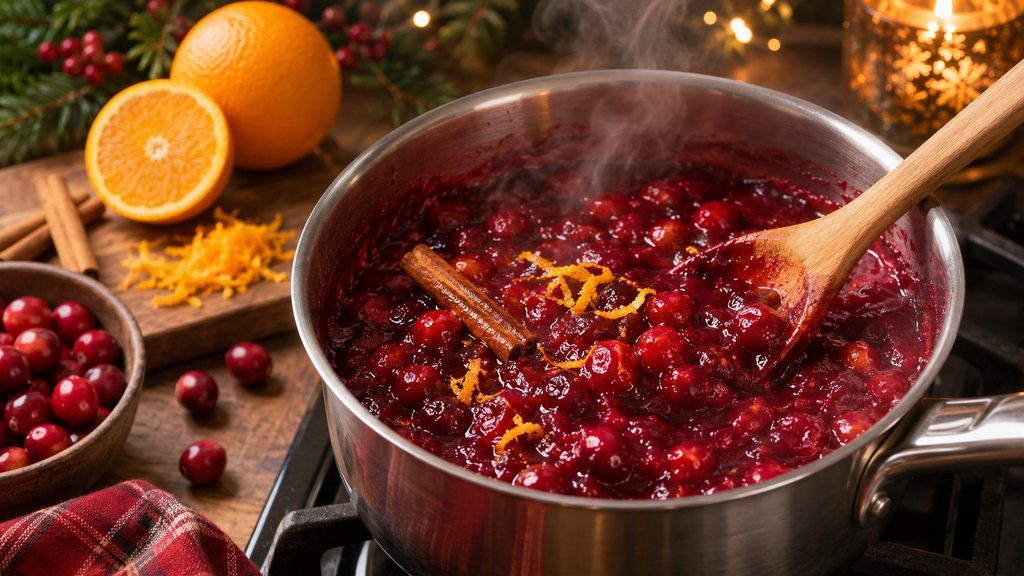
What to Serve With Homemade Cranberry Sauce
Turkey remains the classic pairing, but cranberry sauce deserves a place beyond Thanksgiving dinner.
Its acidity helps contrast rich, salty, and fatty foods. This makes it particularly effective alongside roasted meat and creamy dishes.
Try these serving ideas:
- Roast turkey with mashed potatoes and stuffing.
- Glazed ham with roasted root vegetables.
- Pork tenderloin with herb-seasoned potatoes.
- Baked brie with toasted bread or crackers.
- Turkey sandwiches with lettuce and leftover stuffing.
- Plain Greek yogurt with granola.
- Oatmeal with walnuts and a spoonful of cranberry sauce.
When serving meat, keep the sauce slightly tart. Rich dishes benefit from acidity that cuts through the fat.
For breakfast applications, a sweeter version may be preferable. Maple syrup and orange zest work especially well with oatmeal.
A small serving also complements cheese boards. Brie, aged cheddar, and goat cheese provide contrasting flavors and textures.
If preparing sauce for multiple purposes, divide the finished batch before adding extra seasonings. Keep 1 portion traditional and experiment with the other.
Homemade Cranberry Sauce FAQ
How do you make cranberry sauce from scratch?
Combine 12 oz of cranberries, ¾ cup sugar, and ¾ cup water in a saucepan. Simmer for approximately 10–12 minutes until most berries burst. Add orange zest if desired, then refrigerate until thickened.
Can you make cranberry sauce without sugar?
Yes, although the result will be substantially more tart. Honey, maple syrup, or suitable alternative sweeteners can replace granulated sugar. Lower-sugar sauces may also set differently.
Do frozen cranberries need to be thawed first?
No. Frozen cranberries can go directly into the saucepan. Allow slightly more cooking time if necessary.
Why is my homemade cranberry sauce runny?
It may contain too much liquid or need additional reduction. Remember that the sauce thickens significantly while cooling. Refrigerate it before deciding whether further cooking is necessary.
Can cranberry sauce be made 3 days before Thanksgiving?
Yes. Preparing it 3 days ahead is convenient when stored correctly in the refrigerator. Keep it covered and chilled until serving.
How much cranberry sauce should I prepare for 10 people?
Plan approximately ¼ cup per person. A standard batch yields around 2 cups, enough for about 8 modest servings. For 10 guests, prepare approximately 1½ batches or make 2 batches for leftovers.
Can I freeze homemade cranberry sauce?
Yes. Store it in an airtight freezer-safe container for approximately 2 months for best quality. Thaw it in the refrigerator before serving.
Should homemade cranberry sauce be served hot or cold?
Either works. Chilled sauce is firmer and more traditional for Thanksgiving. Warm sauce is softer and can complement freshly roasted meat.
A Simple Holiday Recipe Worth Making Ahead
The appeal of homemade cranberry sauce lies in its simplicity. Fresh or frozen berries, sugar, and water produce a vivid condiment with minimal effort.
The cooking takes approximately 15 minutes, and most of the work happens inside the saucepan. Orange zest, cinnamon, or maple syrup can introduce additional flavor without complicating the method.
For Thanksgiving, prepare the sauce the previous evening and refrigerate it overnight. Taste before serving, adjust the consistency if needed, and pair it with your favorite holiday dishes.
Earlier we wrote about How to Make Classic Stuffing: Easy Thanksgiving Recipe With Buttery Bread and Herbs