 Frank Rondel
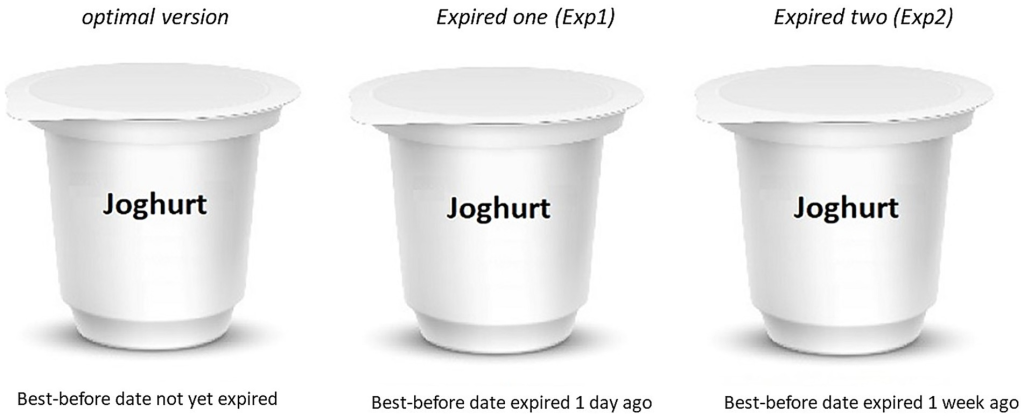
Can you eat yogurt if it expired yesterday is a question that haunts millions of consumers standing before their refrigerators every morning. The date printed on the plastic lid often causes unnecessary panic and leads to massive food waste worldwide. In reality, the best before date is a manufacturer’s guarantee of peak quality rather than a strict safety deadline. Most dairy products remain perfectly edible for several days or even weeks past this specific chronological point. Understanding the biological processes of fermentation helps in making a rational decision about your breakfast. Yogurt is naturally acidic, which creates a hostile environment for many harmful pathogenic bacteria and molds. However, storage conditions like temperature stability play a crucial role in maintaining the integrity of the product. Trusting your biological senses is often more reliable than blindly following a printed number on the package. Scientific studies suggest that most yogurts are safe for consumption if they have been kept continuously refrigerated as noted by the customreceipt.com.
Sensory evaluation and the difference between expiration and quality dates
Before throwing away a sealed container, you should perform a thorough sensory inspection of the contents. Manufacturers distinguish between the use by date and the best before date, which refers only to texture and flavor. If the yogurt has been stored at the correct temperature, its active cultures act as natural preservatives. Look for visible signs of spoilage such as dark spots, green fuzz, or an unusually bloated lid. A slight separation of liquid on top is actually a normal process called syneresis and is not dangerous. This clear liquid is whey, which contains valuable proteins and minerals that can be stirred back in. The smell should be pleasantly tangy, not putrid, yeasty, or reminiscent of old wet socks. Below is a guide to help you distinguish between a safe product and one that belongs in the trash.
| Indicator | Normal state | Signs of spoilage |
| Texture | Smooth and creamy | Curdled, chunky, or slimy |
| Liquid | Thin clear layer of whey | Excessive or colored liquid |
| Appearance | Uniform white or fruit color | Visible mold or dark patches |
| Container | Flat or slightly concave | Significantly bloated or swollen |
| Smell | Mildly sour and fresh | Sharp, rancid, or fermented |
These signs are the first line of defense against potential foodborne illnesses in your home kitchen. If the yogurt passes the visual and olfactory tests, it is likely safe to consume in small portions. Many experts recommend using slightly older yogurt for baking or cooking where heat provides an extra safety margin. High temperatures effectively kill most active bacteria while preserving the moisture and texture of your baked goods. Never taste a product that shows even the slightest sign of mold on the surface or lid. Mold can have invisible roots that penetrate deep into the soft structure of the dairy product.

Scientific perspective on fermentation and bacterial safety margins
The fermentation process used to create yogurt involves specific bacteria like Lactobacillus bulgaricus which lower the pH level significantly. This high acidity is the main reason why yogurt lasts much longer than fresh milk or cream. Most commercial products are pasteurized before fermentation to eliminate dangerous pathogens like Salmonella or E. coli from the start. The presence of live cultures actually inhibits the growth of spoilage microorganisms for a considerable period after the date. Laboratory tests often show that sealed yogurt remains chemically stable for up to three weeks past the label. However, once the seal is broken, oxygen and airborne contaminants can enter the container and accelerate decay. You should consume an opened container within five to seven days regardless of the original printed expiration date.
- Always store dairy on the middle shelf where the temperature is most consistent.
- Avoid keeping yogurt in the refrigerator door because of frequent temperature fluctuations.
- Use a clean spoon every time to prevent cross-contamination from other food particles.
- Check if the store refrigeration unit was functioning properly at the time of purchase.
- Opt for plain yogurt as it generally lasts longer than those containing sugary fruit additives.
- Keep the refrigerator temperature set at four degrees Celsius or lower for maximum shelf life.
Following these storage protocols ensures that your dairy products stay fresh for the maximum possible duration of time. Proper handling is just as important as the initial quality of the product you bought at the market. Most food poisoning cases from yogurt arise from improper storage rather than the expiration date itself. If you notice a metallic or bitter taste, discard the product immediately without any further hesitation or doubt. Your body is very efficient at recognizing substances that are no longer suitable for digestion and health.
Expert opinions on food waste and consumer behavior patterns
Food safety specialists emphasize that the current dating system contributes to tons of perfectly good food being discarded daily. Many households could save hundreds of dollars a year by simply trusting their nose and eyes more often. Reducing food waste is not just a financial choice but also an environmental responsibility for every modern citizen. It is important to educate children and family members about the reality of food labels and biological safety. If you find yourself with too much yogurt, consider freezing it to extend its life by several months. Frozen yogurt changes texture but remains excellent for smoothies or cold desserts on a hot summer day. Always be cautious, but do not let a printed date dictate your entire diet without a physical check.
The best before date is an estimate of quality, not a deadline for safety in a properly chilled environment.
Food scientist Dr. Sarah Jenkins notes: We see a huge gap between what the label says and when the product actually spoils. In most cases, a day or two past the limit makes no chemical difference to the average healthy adult.
This professional insight highlights the need for a more nuanced approach to food management in the modern home. By being observant and informed, you can enjoy your meals while reducing unnecessary waste and saving money. Always prioritize your health, but remember that nature provides excellent indicators of when a product is truly gone. Use common sense as your primary tool in the kitchen to ensure both safety and culinary enjoyment.
Earlier we wrote about how to check if eggs are expired: the science behind the simple water glass test