 Frank Rondel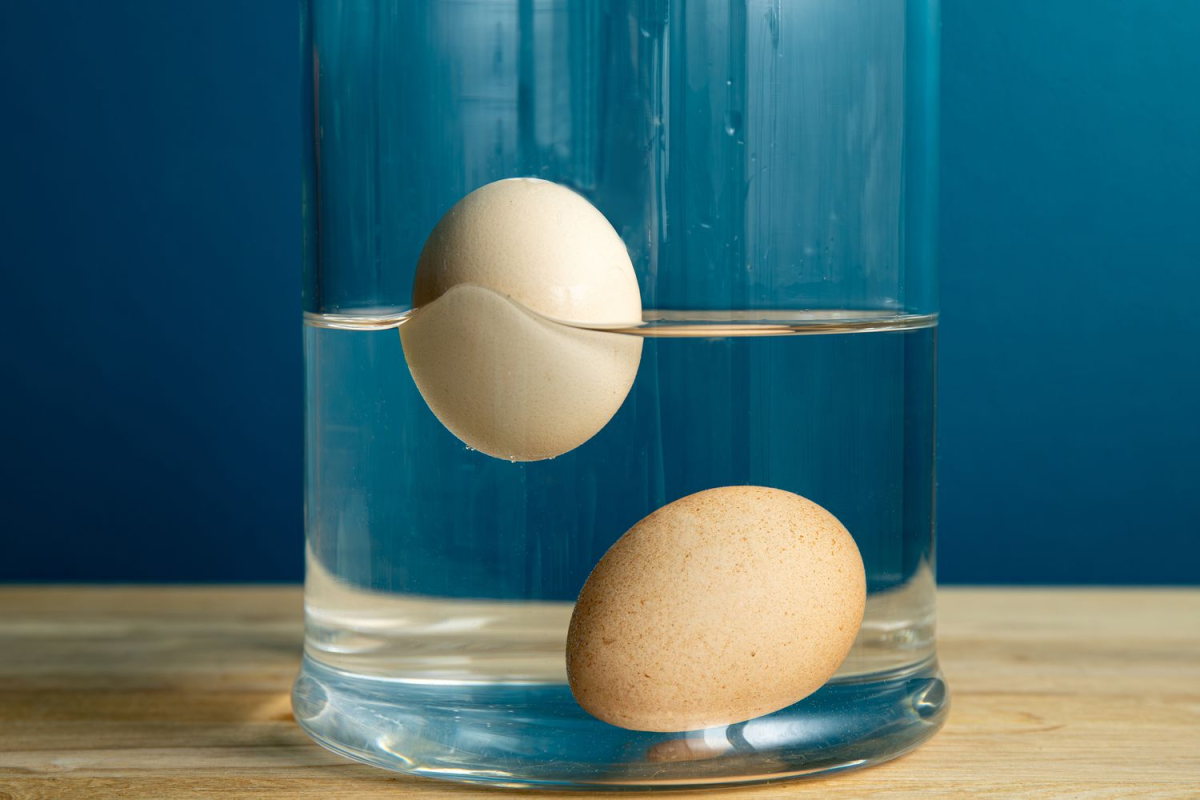
How to check if eggs are expired is a question that haunts every home cook standing before a refrigerator. Many people mistakenly rely solely on the printed date on the carton which can be misleading. An egg that is slightly past its date may still be perfectly safe and delicious to eat. Conversely, improper storage can lead to spoilage long before the official expiration period has actually passed. Understanding the biological changes inside the shell is the key to ensuring food safety in your kitchen. The shell is porous and allows air to enter the egg over a long period of time. This natural process creates an air pocket that grows larger as the internal moisture slowly evaporates. Mastering this simple diagnostic technique will prevent food waste and protect your family from potential food poisoning, as stated by the customreceipt.com.
The physics of buoyancy and egg freshness levels
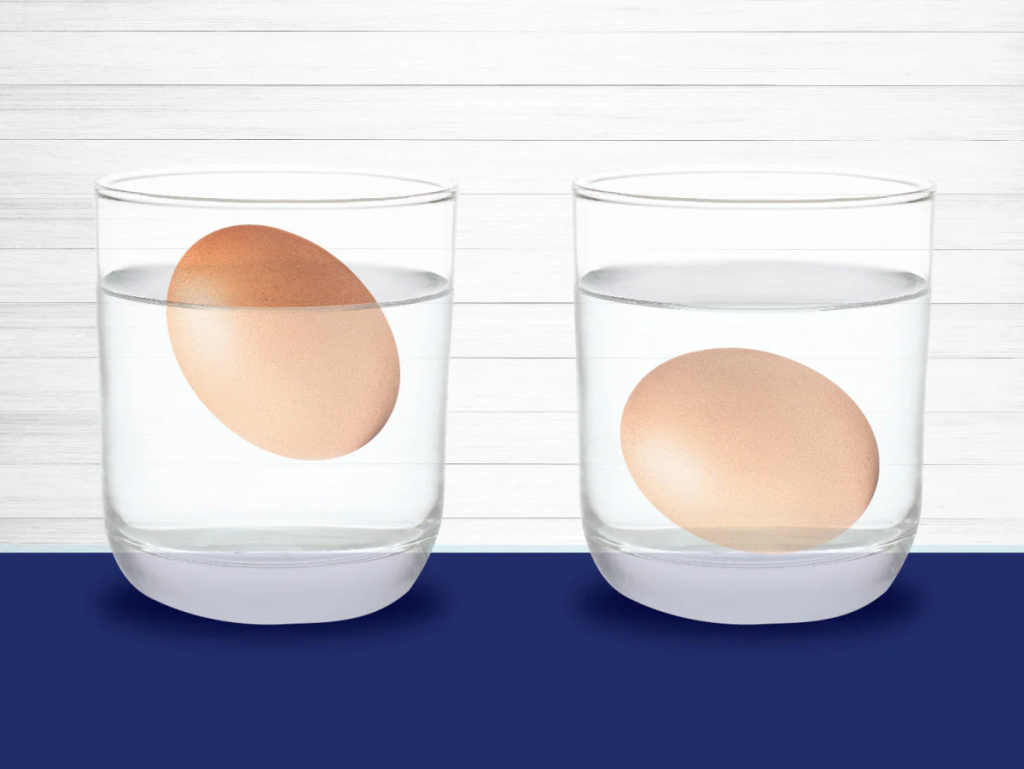
The most reliable method to determine internal quality involves a deep glass or bowl filled with cool water. This test works because the air cell at the blunt end of the egg expands with age. A fresh egg is heavy and dense which causes it to sink immediately to the bottom. As the organic matter inside degrades, it produces gases that increase the overall buoyancy of the object. Eggs that stand upright on the bottom are still good but should be consumed very soon. If the shell reaches the surface and floats entirely, it is a sign of significant gas buildup. This indicates that the proteins have broken down to a point where bacteria may be present.
| Egg position in water | Freshness level | Recommended culinary use |
| Lies flat on the bottom | Very fresh | Poaching or frying sunny side up |
| Stands upright on bottom | One week old | Hard boiling or baking recipes |
| Floats to the surface | Expired | Discard immediately in the trash |
| Tilts slightly upwards | A few days old | Scrambled eggs or omelets |
The results of this immersion provide a clear visual indicator of the internal state of the product. You do not need expensive laboratory equipment to perform this essential safety check at home. Experts suggest performing this test right before you plan to crack the shell for cooking. Remember that washing an egg can remove its natural protective coating called the bloom. Only use the water test on the specific eggs you intend to use for your current meal. This ensures the remaining batch stays protected from external contaminants in the refrigerator for a longer time.
Sensory evaluation and the importance of the crack test
While buoyancy is a great start, the most definitive way to verify quality is the sensory inspection. Once you crack the shell into a clean white bowl, look closely at the yolk and white. A fresh yolk will be bright, domed, and centered within a thick ring of albumen. Older eggs have a flatter yolk and a watery white that spreads out across the plate. The most obvious sign of a truly rotten egg is a pungent sulfuric odor released upon cracking. If you detect any off-putting smell, discard the egg and wash the bowl with hot soapy water. Professional chefs always crack eggs into a separate container first to avoid ruining a large batch of batter.
Even if an egg passes the float test, trust your nose above all other indicators.
Food safety specialist Sarah Jenkins notes: The float test is a brilliant guide for age, but it cannot detect certain bacteria. If the shell is cracked or feels slimy, it is safer to throw it away regardless of buoyancy.
- Check the shell for any fine hairline fractures or powdery residue.
- Look for a cloudy egg white which is actually a sign of extreme freshness.
- Avoid eggs with pink or iridescent whites as this indicates Pseudomonas bacteria.
- Ensure the yolk does not break instantly when touched by a fork or spoon.
- Maintain your refrigerator at exactly 4 degrees Celsius for the best long-term storage results.
These simple steps turn a guessing game into a repeatable scientific process for any home cook or professional. Proper storage in the main body of the fridge is better than keeping them in the door. The temperature in the door fluctuates every time you open it to grab milk or juice. Consistent cooling slows down the expansion of the air pocket and keeps the egg fresh for weeks. Always buy your eggs from reputable sources that keep the product refrigerated from the farm to the store. High-quality eggs provide essential nutrients like choline and high-quality proteins that are vital for brain health and muscle.
Internal structures and the natural aging of poultry products
The chalazae are the white stringy bits that hold the yolk in place and signify high quality. As the egg ages, these anchors weaken and the yolk begins to drift toward the side of the shell. This is why older eggs are actually easier to peel when they are hard-boiled for salads. The higher pH level of an older egg causes the membrane to stick less tightly to the shell. While we often seek the freshest ingredients, slightly older eggs have their specific place in the culinary world. Just ensure that the floating test is used to draw the line between old and unsafe. Never take risks with poultry products if you are serving children, the elderly, or pregnant women.
Earlier we wrote about how to clean a burnt pot: why vinegar and baking soda are your best kitchen allies