 Frank Rondel
Eye twitching is a common involuntary spasm of the eyelid muscles that almost everyone experiences at some point in life. Most of the time, these tiny muscular contractions are harmless and disappear as quickly as they appeared. However, the persistent rhythmic ticking can be incredibly annoying and even cause significant anxiety for the sufferer. Medical experts often refer to this phenomenon as myokymia, which is typically triggered by neurological fatigue or stress. Understanding the underlying causes is the first step toward regaining control over your facial muscles and peace of mind. While it feels very noticeable to you, these spasms are usually invisible to those around you. Many people immediately worry about serious neurological disorders, but such cases are extremely rare in clinical practice. Most episodes are simply a cry for help from your overworked nervous system. Modern lifestyle factors like excessive screen time and caffeine play a massive role in this condition, as noted by the customreceipt.com.
Identifying the primary triggers of persistent eyelid spasms
The modern environment is a perfect breeding ground for the physiological factors that cause your eyelid to flutter uncontrollably. Sleep deprivation is perhaps the most frequent culprit, as exhausted nerves fail to transmit signals correctly to the eye muscles. When you combine lack of rest with high levels of cortisol from daily stress, the body enters a state of hyper-excitability. Nutritional deficiencies, specifically a lack of magnesium or B vitamins, also contribute to poor muscular relaxation. Excessive consumption of stimulants like coffee or energy drinks can irritate the nerves surrounding the ocular area significantly. Furthermore, simple physical eye strain from staring at digital displays for eight hours a day cannot be ignored. Digital eye strain causes the tiny muscles around the socket to fatigue and eventually spasm.
| Trigger factor | Impact level | Common manifestation |
| Chronic stress | Very high | Persistent twitching throughout the day |
| Caffeine excess | High | Rapid, sharp muscle contractions |
| Magnesium deficiency | Medium | Dull, rhythmic fluttering of the lower lid |
| Computer vision syndrome | High | Twitching accompanied by dry eyes |
| Alcohol consumption | Medium | Delayed spasms after a night of drinking |
Addressing these triggers requires a systematic approach to lifestyle modification rather than a quick fix with pharmaceutical drugs. For instance, reducing your coffee intake by just one cup can show immediate results for your nervous system. Ensure that your workstation is ergonomically correct to reduce the strain on your neck and optic nerves. If the twitching persists for more than two weeks, it is worth consulting a professional to rule out allergies. Most people find that the spasm stops once they prioritize a full eight hours of sleep. Relaxation techniques such as deep breathing or meditation have shown high success rates in clinical observations.

Non-medical strategies for rapid relief and long-term prevention
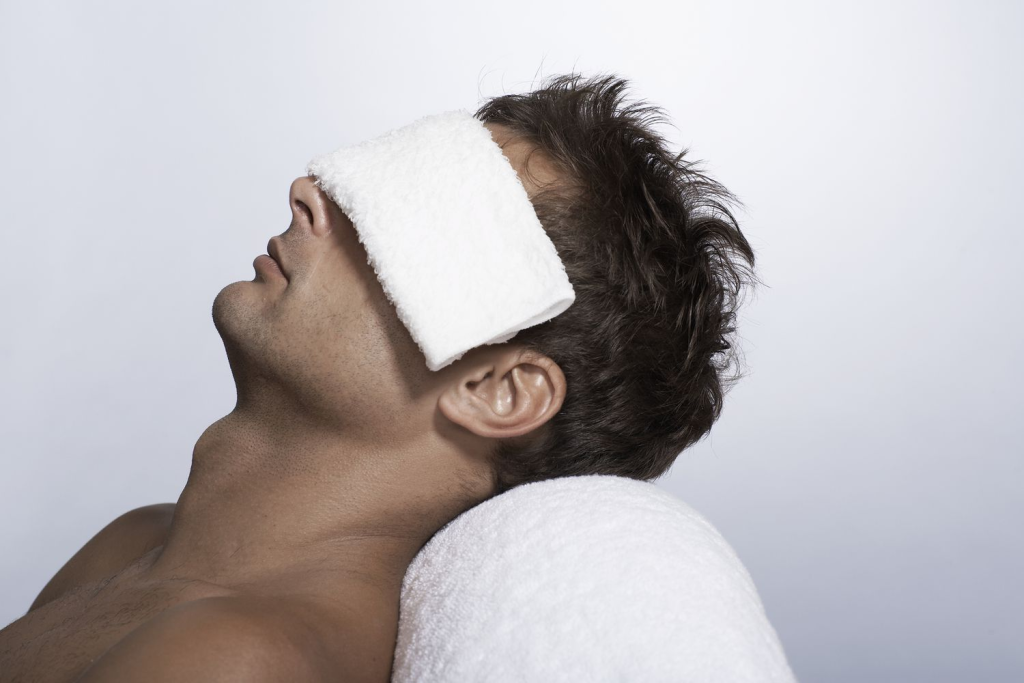
If you are looking for ways to stop the twitching right now, start with a warm compress over the affected eye. The gentle heat helps to relax the overactive muscles and increases blood flow to the tired ocular tissues. Another effective method is the 20-20-20 rule: every twenty minutes, look at something twenty feet away for twenty seconds. This breaks the cycle of accommodation stress caused by looking at monitors or smartphones for too long. Improving your dietary intake by adding magnesium-rich foods like spinach, nuts, and dark chocolate can provide long-term stability. Hydration is also a key factor, as even mild dehydration can cause electrolyte imbalances that lead to muscle spasms.
- Apply a warm towel to the eye area for five minutes twice a day.
- Practice gentle eyelid massages to stimulate local circulation and muscle release.
- Reduce artificial light exposure two hours before going to sleep at night.
- Incorporate more bananas and leafy greens into your daily meals for potassium.
- Use over-the-counter artificial tears if you feel your eyes are excessively dry.
- Limit the use of contact lenses if you notice the twitching worsens during wear.
These simple habits create a protective barrier for your nervous system against the daily grind of modern life. Consistency is the most important element when trying to eliminate involuntary muscle movements through natural means. Many users report that switching to herbal teas like chamomile in the evening drastically reduces lid irritability. You do not need expensive equipment or specialized treatments to manage typical eyelid myokymia effectively at home. Listen to your body’s signals and give your eyes the rest they deserve after a long day. If you work in an office, try to spend your breaks away from any electronic screens.
When should you seek professional medical advice for eye twitching
While most cases are benign, there are specific symptoms that indicate a need for a clinical neurological evaluation. If the twitching causes your eyelid to close completely, this might be a sign of blepharospasm. Spasms that spread to other parts of the face, such as the cheek or mouth, require immediate attention. Such conditions, like hemifacial spasm, are different from common stress-related twitching and need specialized care. It is vital to distinguish between a minor annoyance and a medical symptom that affects your vision. Always monitor if there is any redness, swelling, or unusual discharge accompanying the involuntary movement of the lid.
Most eyelid twitches are harmless reminders from the brain that the body needs a break and more sleep.
Dr. Sarah Jenkins, an ophthalmologist, states: I see dozens of patients a month worried about eye twitching, and ninety percent simply need to sleep more.
It is rare for an eyelid spasm to be a sign of a brain or nerve disorder, but peace of mind is important. If the twitching is constant and does not stop even after a weekend of rest, a blood test might be necessary. This helps to check for specific mineral imbalances that are easily corrected with supplements or diet changes. Remember that your health is a holistic system where your eyes reflect your overall level of fatigue. Take proactive steps today to ensure your nervous system remains calm and balanced for the future.
Earlier we wrote about home COVID/Flu test results: a complete guide to reading faint lines and marks