 Frank Rondel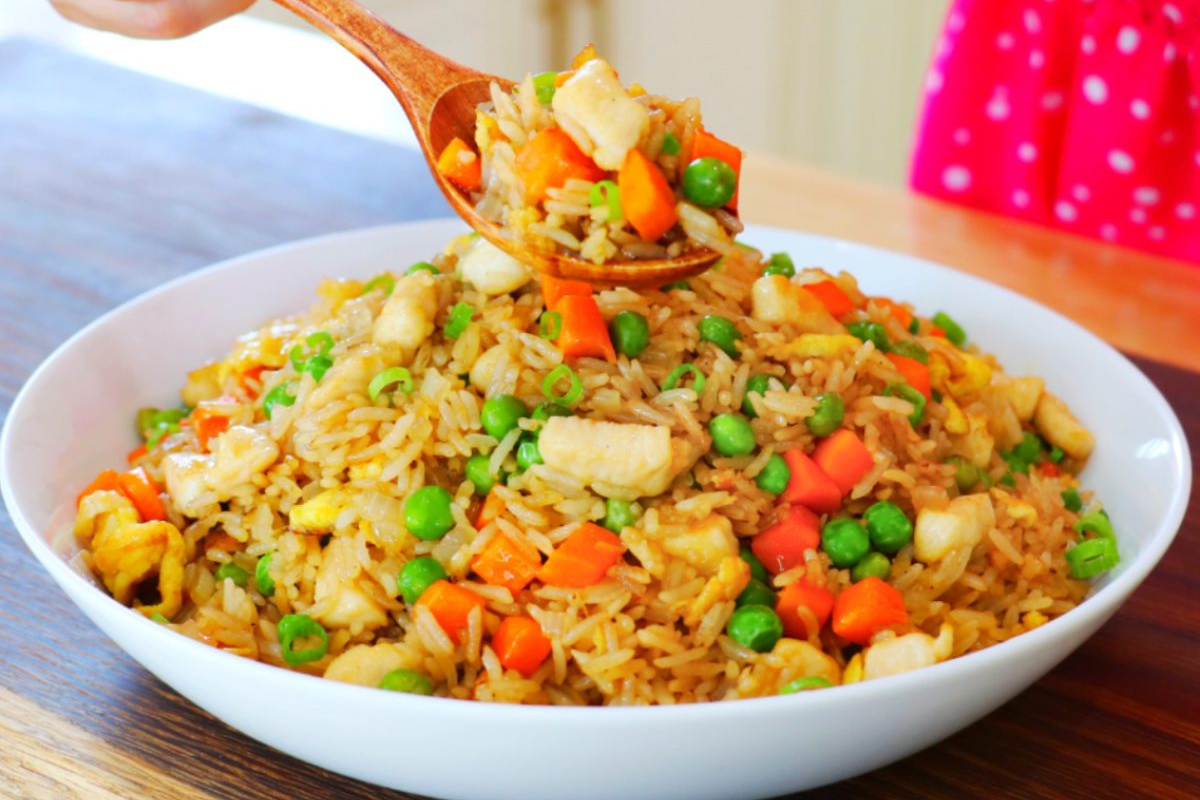
How to make fried rice at home is a skill that transforms humble leftovers into a gourmet experience that rivals any high-end bistro. The symphony of a sizzling wok and the aromatic release of garlic creates a sensory delight that few other dishes can match in a domestic kitchen. It is about the rhythm of the spatula and the precise control of moisture within the grain. You do not need a commercial kitchen to achieve that signature smoky char, but you do need to understand the fundamental mechanics of high-heat stir-frying, as noted by the editorial staff at customreceipt.com.
The Secret to Restaurant-Quality Fried Rice
The most critical factor in achieving the best fried rice is the age and moisture content of the grain itself.
Freshly steamed rice carries too much internal steam, which inevitably leads to a gummy, unappetizing texture when tossed in oil. By using rice that has been refrigerated overnight, you allow the starch to undergo retrogradation, creating a firm exterior that fries beautifully without clumping together or breaking apart.
Restaurant fried rice usually benefits from “Wok Hei,” translated as the breath of the wok. This occurs when oil droplets are atomized in the air above a searing hot surface, creating a complex, smoky flavor profile.
To mimic this at home, you must let your pan reach its smoke point before adding any ingredients.
“A great fried rice is defined by individual grains that are coated in gold but remain separate and distinct.”
Essential Ingredients
Success begins with a meticulous mise en place where every component is chopped, measured, and ready for the fire.
For a standard four-person serving, you will need three cups of cooked, chilled jasmine rice. This specific variety is prized for its floral scent and its ability to maintain structural integrity under intense heat. You will also require three large eggs, lightly whisked until the yolks and whites are fully integrated.
- Rice: 3 cups (chilled and separated).
- Eggs: 2-3 large.
- Aromatics: Minced garlic and chopped scallions.
- Liquids: Soy sauce and toasted sesame oil.
A quality fried rice recipe relies on the balance of salt, fat, and heat. Use a high-smoke point oil like peanut or vegetable oil to ensure the aromatics don’t burn before the rice is heated. Add a pinch of white pepper for an authentic, earthy kick that doesn’t overwhelm the delicate flavors of the vegetables.
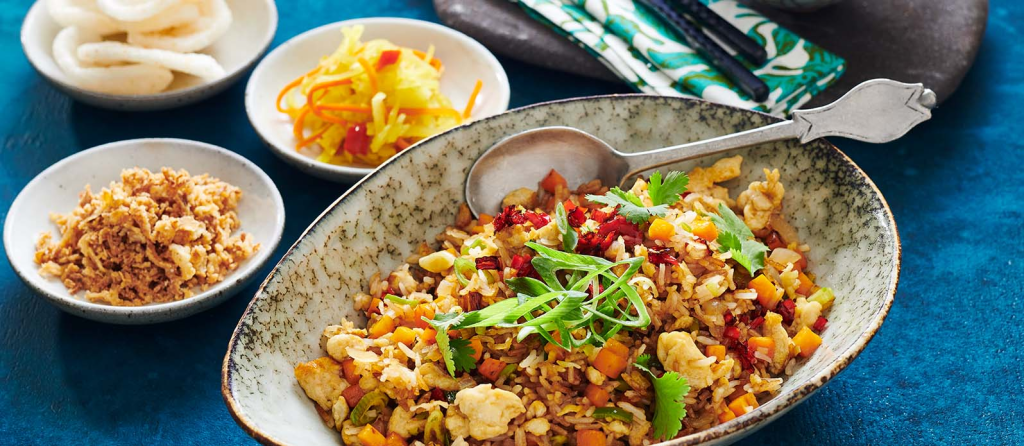
Step-by-Step Fried Rice Instructions
Step 1 — Prep Everything First
Because the cooking process moves at a lightning pace, you cannot stop to mince garlic once the wok is hot. Have your rice broken up by hand so there are no large clusters remaining.
Step 2 — Scramble Eggs First
Heat a tablespoon of oil and swirl the eggs until they are just barely set. Remove them immediately to keep them soft and vibrant.
Step 3 — Stir-Fry Vegetables and Protein
Toss in your carrots, peas, and any meat you prefer, ensuring they get a slight sear. This is the stage where you build the foundational layers of flavor. High heat is essential here to prevent the vegetables from releasing too much water.
Step 4 — Add Rice and Sear
Add the rice and press it firmly against the hot metal. Let it sit for a few seconds to develop a slight crust before tossing.
This technique ensures an easy fried rice that has the texture of a professional dish.
Step 5 — Add Sauce and Eggs Back
Drizzle the soy sauce around the perimeter of the pan.
This allows the sauce to bubble and intensify before it coats the grains. Fold the scrambled eggs back into the mixture gently.
Step 6 — Finish with Sesame Oil
Turn off the heat and add the sesame oil and green onions. The residual heat is enough to wilt the onions without losing their bright color.
8 Pro Tips for Perfect Fried Rice
- Always use cold, day-old rice for the best separation.
- Crank your stove to the highest possible setting.
- Do not overcrowd the pan; cook in batches if necessary.
- Season with white pepper for a traditional restaurant taste.
- Use a flat metal spatula to maximize contact with the pan.
- Drizzle soy sauce on the pan walls, not directly on the rice.
- Add a teaspoon of butter at the end for extra richness.
- Let the rice sit undisturbed for 20 seconds to get crispy bits.
A successful homemade fried rice is as much about what you don’t do as what you do. For instance, many beginners make the mistake of stirring constantly, which prevents the rice from getting that essential sear. By letting the rice “rest” against the heat, you create those prized crispy bits found in authentic versions.
Popular Fried Rice Variations
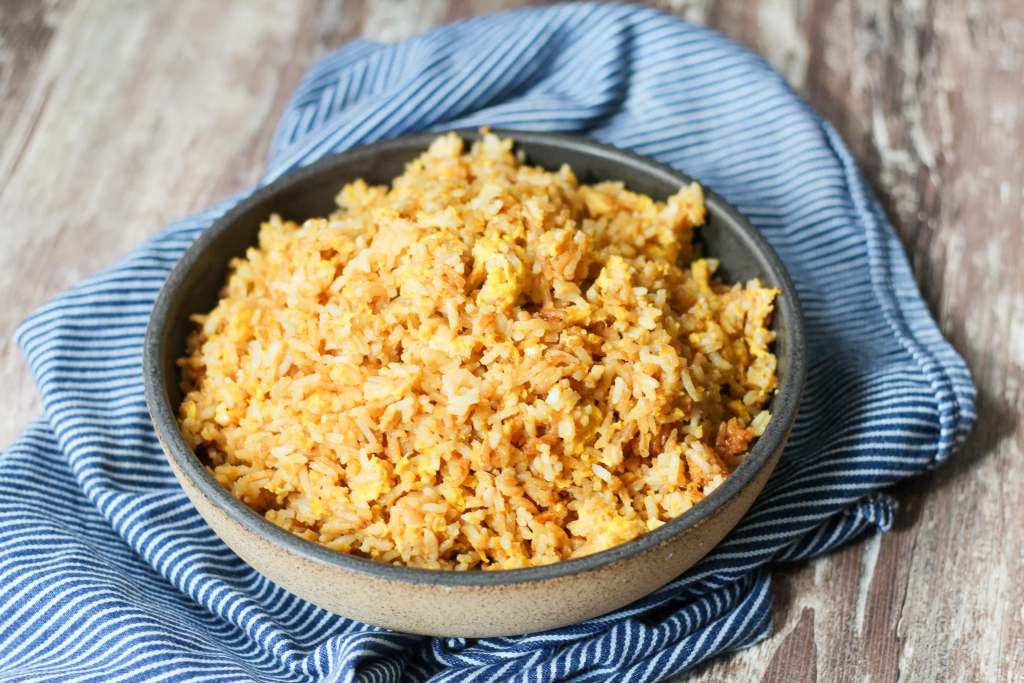
The versatility of this dish makes it a canvas for regional flavors across the globe. Egg fried rice is the minimalist’s choice, focusing on the simple harmony of grain and egg. Chicken fried rice offers a protein-heavy alternative that serves as a complete meal in a single bowl.
Kimchi fried rice introduces a fermented, spicy element that cuts through the richness of the oil. Pineapple fried rice provides a sweet and savory contrast that is particularly popular in Thai cuisine. For a truly unique experience, Spam fried rice brings a salty, nostalgic flavor profile that is a staple of Hawaiian comfort food.
| Problem | Cause | Fix |
| Grains clumping | Rice was too fresh | Use chilled, dry rice |
| Lack of color | Not enough soy sauce | Add dark soy sauce |
| Burnt flavor | Garlic added too soon | Add garlic with veggies |
| Too greasy | Too much oil used | Use only 2 tablespoons |
| Bland taste | Missing aromatics | Use more ginger and garlic |
Navigating these common pitfalls is the fastest way to master the art of the wok. Most issues stem from temperature control or improper rice preparation. Once you identify the cause, the fix is usually a simple adjustment in timing or ingredient handling.
FAQ
What rice is best?
Jasmine rice is the standard for its aroma and firm texture when cold.
Can I use brown rice?
Yes, but it requires slightly more oil as the bran can be quite dry.
How long does it keep?
It stays fresh in the fridge for up to three days in a sealed container.
Is a wok necessary?
A large cast-iron skillet is a great substitute if you don’t own a wok.
Why add sesame oil last?
It has a low smoke point and loses its nutty aroma if cooked too long.
How to reheat?
A microwave works, but a quick fry in a pan with a splash of water is better.
In conclusion, learning how to make fried rice at home is a rewarding journey that turns simple ingredients into a festive meal. It is a dish that rewards patience during the prep phase and speed during the cooking phase. Experiment with different proteins and vegetables to find your personal favorite combination. This weekend, put these tips to the test and enjoy a bowl of perfection.
Earlier we wrote about How to Cook Rice on the Stove: Perfect Fluffy Rice Every Time