 Frank Rondel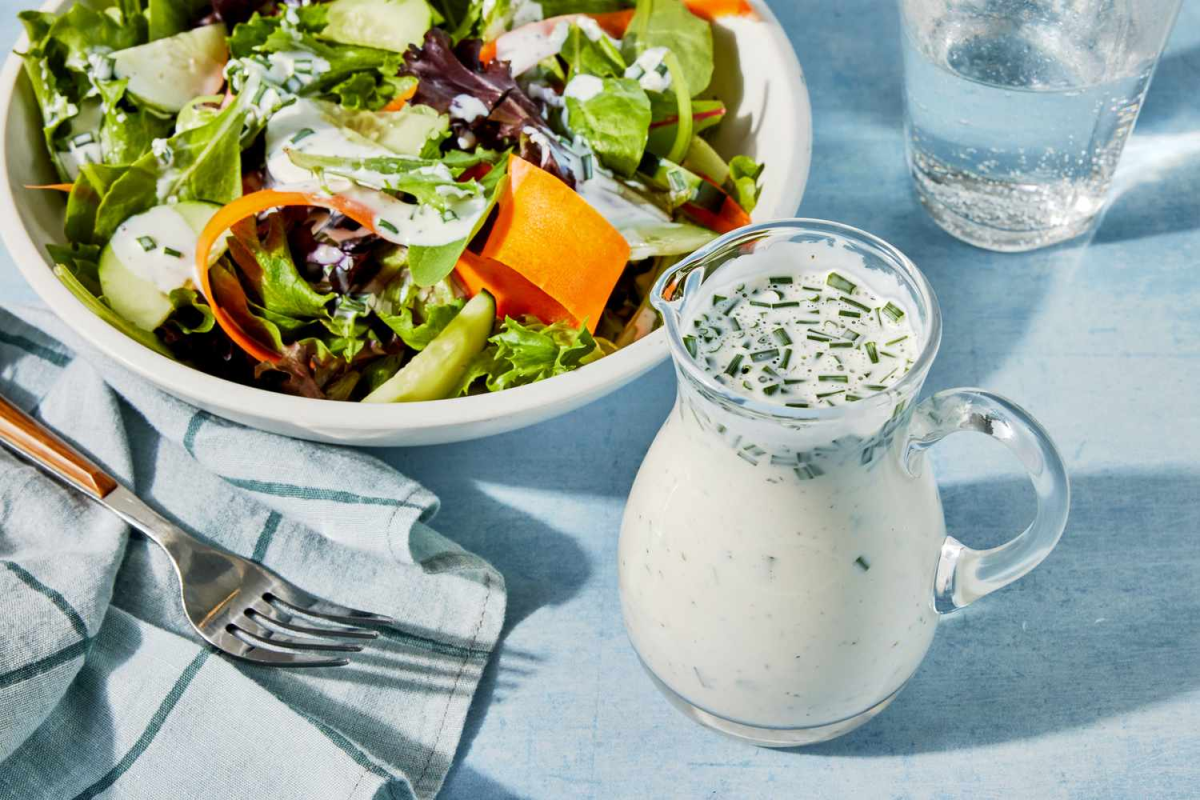
How to make salad dressing is a skill that transforms a pile of leaves into a culinary masterpiece without the hidden sugars of store-bought bottles. When you control the ingredients, you eliminate high-fructose corn syrup and excessive sodium while saving a significant amount of money over time. It is about the chemistry of flavor, where a simple emulsion creates a velvety coating that clings to every vegetable. Most commercial options sit on shelves for months, relying on stabilizers that mask the vibrant notes of fresh citrus or high-quality vinegars.
By contrast, a jar whisked in your kitchen offers a bright, punchy profile that elevates even the simplest bowl of greens. Crafting your own condiments provides an immediate upgrade to your daily nutrition and palate, as noted by the customreceipt.com.
The Universal Salad Dressing Formula
Mastering the art of the perfect pour begins with understanding the golden ratio of fats to acids.
Generally, the architectural foundation of any vinaigrette recipe relies on three parts oil to one part acid. This balance ensures that the fat carries the flavor across the tongue while the acid cuts through the richness to provide a clean finish. The texture of your creation depends heavily on the emulsifier, a small but mighty addition that prevents the oil and vinegar from separating into two distinct layers. Common binders include mustard, honey, or even egg yolks, which act as a bridge between the polar molecules.
| Component | Popular Examples | Purpose |
| Oil Base | Extra virgin olive, avocado, toasted sesame | Provides mouthfeel and carries flavors |
| Acid | Lemon juice, balsamic, apple cider vinegar | Adds brightness and preserves color |
| Emulsifier | Dijon mustard, honey, maple syrup, tahini | Binds oil and water-based liquids |
| Seasoning | Sea salt, cracked black pepper, garlic powder | Enhances the natural taste of ingredients |
The choice of oil dictates the cultural direction of your meal.
A light sunflower oil works for delicate herbs, while a robust olive oil demands hearty greens like kale or romaine. You should always taste your mixture with a leaf of the salad you intend to serve to ensure the seasoning is balanced. If the mixture feels too sharp, a tiny pinch of sugar or extra fat can mellow the acidity. The secret lies in the quality of your raw materials.
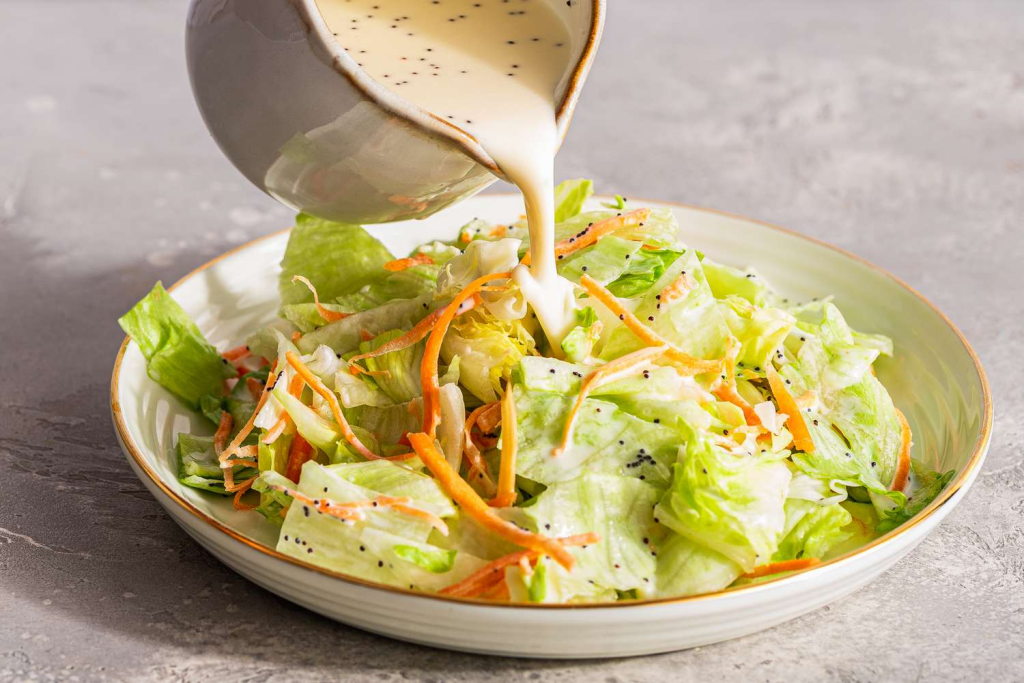
10 Easy Homemade Dressing Recipes
- Classic Vinaigrette: Combine 6 tablespoons of olive oil with 2 tablespoons of red wine vinegar, 1 teaspoon of Dijon, and a pinch of salt. Whisk until the liquid thickens and coats the back of a spoon.
- Balsamic Vinaigrette: This rich homemade salad dressing uses aged balsamic vinegar mixed with olive oil, minced garlic, and a touch of honey for sweetness.
- Ranch: Mix half a cup of buttermilk with a quarter cup of mayonnaise, dried dill, chives, and onion powder.
- Caesar: For a bold easy salad dressing recipe, whisk together mayo, lemon juice, Worcestershire sauce, anchovy paste, and plenty of grated Parmesan.
- Honey Mustard: Blend equal parts yellow mustard and honey with a splash of apple cider vinegar and a stream of neutral oil.
- Italian: This zesty option features dried oregano, basil, red pepper flakes, and white wine vinegar.
- Greek: Heavy on the dried oregano and garlic, this dressing uses a sharp red wine vinegar base.
- Asian Sesame: Use toasted sesame oil, soy sauce, rice vinegar, and grated ginger for an umami-rich experience.
- Tahini: Whisk sesame paste with lemon juice and warm water until it reaches a creamy consistency.
- Lemon Herb: Squeeze fresh lemons into a bowl with parsley, cilantro, and olive oil.
“A salad is only as good as the dressing that ties the components together; it is the silent conductor of the vegetable orchestra.”
Each of these recipes serves as a template that you can modify based on what is currently in your pantry.
Using fresh herbs instead of dried will always result in a more vibrant color and scent. If you find the ranch dressing recipe too thick, simply add a tablespoon of water or extra buttermilk to reach your desired consistency. Freshly cracked pepper makes a world of difference.
Tips for Perfect Dressings
- Always dissolve your salt in the acid before adding the oil.
- Use room temperature ingredients to ensure the emulsion holds.
- For a perfectly smooth texture, use a small glass jar and shake.
- Add a clove of smashed garlic to the jar and let it sit.
- If using fresh herbs, chop them very finely to release oils.
- Emulsify slowly by dripping the oil into the acid while whisking.
Consistency is key when you are learning how to balance sharp and soft flavors.
Some chefs prefer using a blender for high-fat dressings to ensure the particles are fully integrated. A well-made healthy salad dressing should never look greasy or separated on the plate. If you notice the oil pooling at the bottom, your emulsion has broken and needs another quick whisk or a teaspoon of warm water. This process requires patience and a steady hand during the pouring phase.
How to Store Homemade Dressing
Proper storage is essential for maintaining the integrity of your ingredients and preventing spoilage. Glass jars with tight-sealing lids, such as Mason jars, are the gold standard because glass does not react with the acidity of the vinegar.
Vinaigrettes can generally last in the refrigerator for up to two weeks, while creamy dressings containing dairy or eggs should be consumed within five to seven days. Always check for off-smells before use. Because olive oil solidifies in cold temperatures, you may need to let your jar sit on the counter for ten minutes before shaking.
FAQ
Can I substitute dried herbs for fresh ones?
Yes, but remember that dried herbs are more potent, so use about one-third of the amount.
Why did my dressing solidify in the fridge?
High-quality extra virgin olive oil contains natural waxes that harden when cold; simply bring it to room temperature.
Is homemade dressing actually healthier?
Absolutely, because you can choose heart-healthy fats and eliminate the preservatives and stabilizers found in commercial brands.
What is the best way to fix a dressing that is too salty?
Increase the volume of the other ingredients, or add a small amount of honey or maple syrup.
Can I make these dressings without a whisk?
A tightly sealed jar is often more effective than a whisk for creating a quick and stable emulsion.
How do I make a dressing creamy without dairy?
Ingredients like tahini, avocado, or even a spoonful of almond butter can create a luxurious mouthfeel.
Making your own condiments is a gateway to better cooking habits and more adventurous eating. Once you move away from the grocery store aisle, the variety of flavors becomes infinite. Your kitchen becomes a laboratory of taste where every salad is a new opportunity for discovery.
Earlier we wrote about How to Make Pizza Dough: Easy Homemade Recipe