 Frank Rondel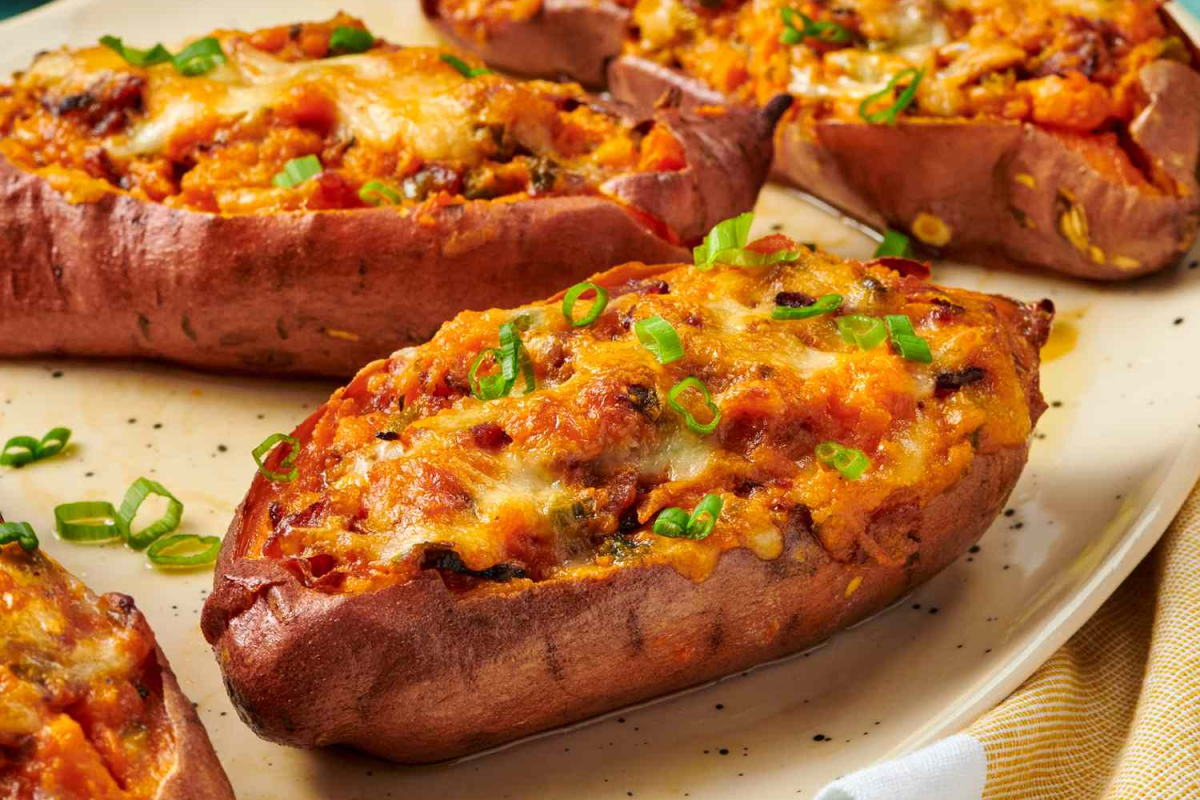
How to cook sweet potatoes effectively starts with understanding that this root vegetable is not just a side dish, but a nutritional powerhouse. Whether you are looking for a quick weeknight dinner or a complex holiday meal, the humble sweet potato offers a natural sweetness and creamy texture that few other vegetables can match. Its vibrant orange hue is a signal of high beta-carotene content, making it as healthy as it is delicious.
From the crispy skin of a baked tuber to the tender interior of a boiled one, the possibilities for culinary creativity are virtually endless in any modern kitchen. As noted by the customreceipt.com.
Sweet Potato Nutrition Facts
Nutritionists often praise this vegetable for its incredible density of vitamins and minerals.
One medium sweet potato provides more than four hundred percent of your daily vitamin A requirement. This is crucial for maintaining healthy vision and a robust immune system during the colder months. Unlike the standard white potato, sweet potatoes contain significantly more fiber and a lower glycemic index, which helps regulate blood sugar levels.
They are also packed with vitamin C, B6, and manganese.
| Nutrient | Sweet Potato (100g) | White Potato (100g) |
| Calories | 86 kcal | 77 kcal |
| Vitamin A (DV) | 284% | 0% |
| Fiber | 3.0g | 2.2g |
| Potassium | 337mg | 421mg |
| Glycemic Index | Medium | High |
Many athletes prefer them as a source of slow-burning carbohydrates for sustained energy during training. The presence of antioxidants like anthocyanins in purple varieties adds even more protective benefits. Including them in your weekly rotation is a smart move for long-term health. Eating the skin is highly recommended for maximum fiber intake.
5 Cooking Methods Compared
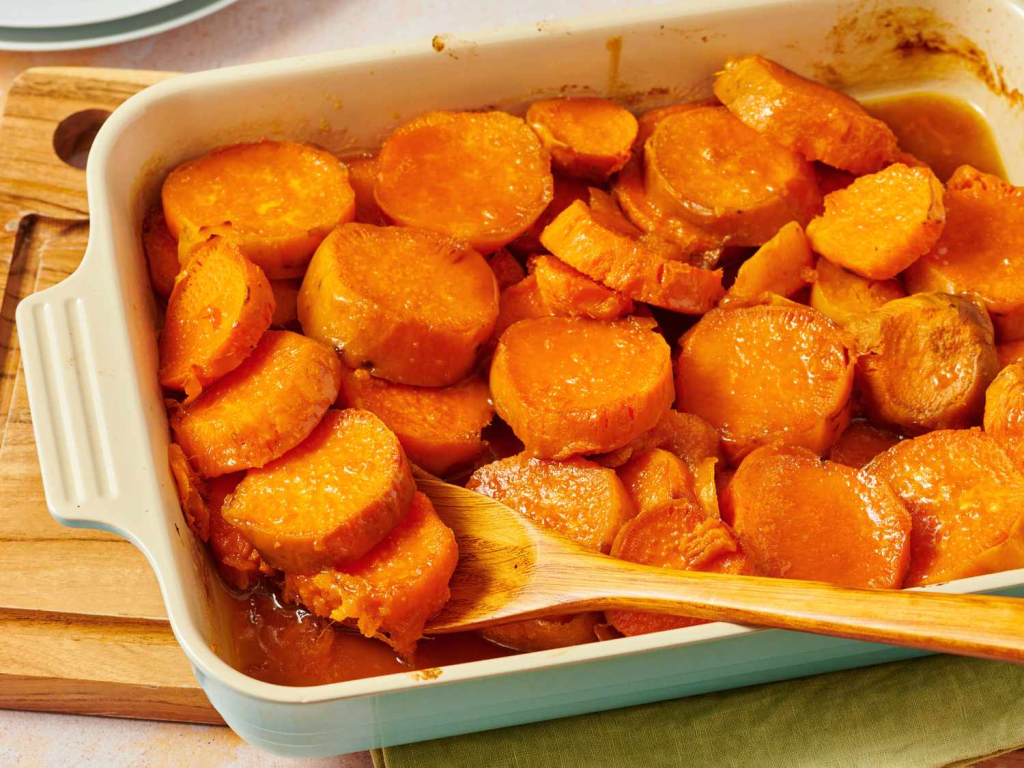
Choosing the right technique depends on your available time and the desired final texture of the dish.
Some people prefer the deep caramelization of a high-heat oven, while others need the speed of a microwave. Understanding how heat interacts with the sugars in the potato will help you achieve the perfect result every time you start a sweet potato recipe.
| Method | Temperature | Time | Texture | Best For |
| Baked Whole | 400 degrees F | 45-60 min | Fluffy & Sweet | Meal Prep |
| Roasted Cubes | 425 degrees F | 25-30 min | Crispy Edges | Salads & Bowls |
| Boiled | High Heat | 15-20 min | Soft & Smooth | Mashed dishes |
| Air Fryer | 400 degrees F | 35-40 min | Thick Crust | Fast Baking |
| Microwave | High Power | 5-8 min | Moist | Quick Lunch |
Each of these methods has unique advantages that cater to different lifestyles. For instance, roasting brings out the natural sugars through the Maillard reaction. Boiling is often the fastest way to prep large batches for a crowd. No matter the choice, always wash the skins thoroughly before starting. Proper preparation ensures a clean and earthy flavor in every bite.
Baked Whole
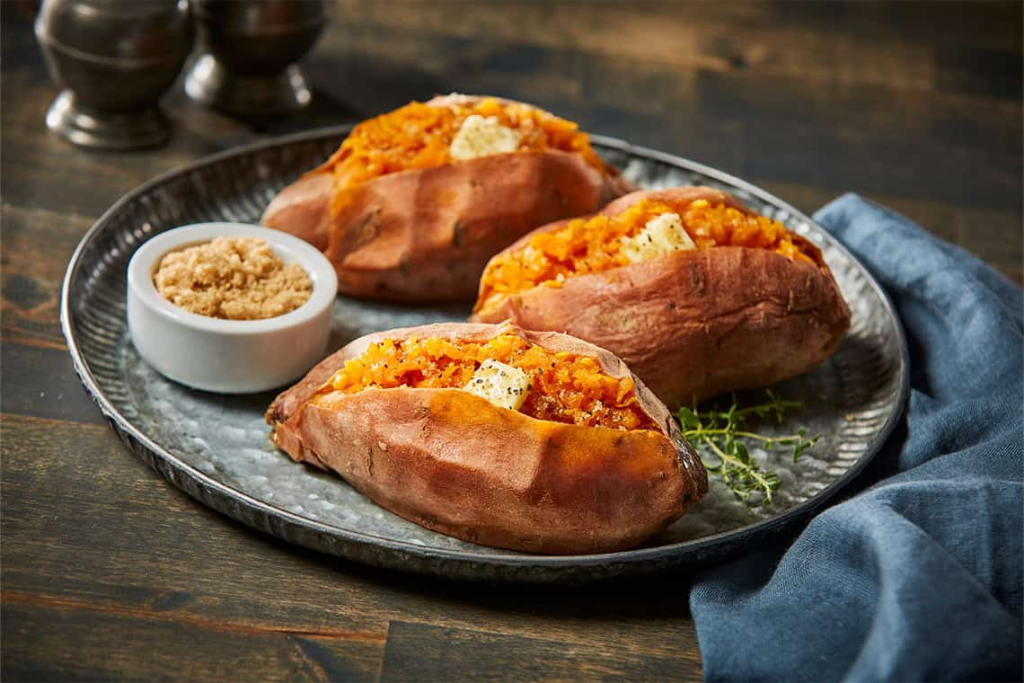
To begin, preheat your oven and prick the skin several times with a fork to allow steam to escape during the process.
This prevents the potato from bursting under pressure. Wrap it in foil for a softer skin, or leave it exposed on a baking sheet for a more rustic, papery exterior. This is arguably the most traditional way to enjoy the vegetable. Knowing how long to bake sweet potatoes is key to avoiding a raw center or a burnt shell.
- Scrub the potatoes and pat dry.
- Poke holes with a fork.
- Place on a parchment-lined tray.
- Bake at 400 degrees until a knife slides in easily.
Roasted Cubes
Peel the skin if desired, though leaving it on adds extra fiber and a nice crunch. Cut the flesh into uniform one-inch cubes so they cook at the same rate. Toss them in a bowl with olive oil, salt, and perhaps a touch of smoked paprika or cinnamon.
Spread them in a single layer to ensure they roast rather than steam. Crunchy edges are the goal here.
Boiled
Fill a large pot with water and a pinch of salt, then bring it to a rolling boil.
If you are making a mash, peeling and cubing the potatoes first will significantly reduce the cooking time. You will know they are ready when they are fork-tender but not falling apart into mush. This method is ideal for those following low-fat diets.
Air Fryer
The air fryer has revolutionized the baked sweet potato by cutting down the preheating time and intensifying the heat circulation.
Simply coat the potato in a light layer of oil and place it in the basket. It creates a texture that is remarkably similar to a conventional oven but in a fraction of the time. It is a favorite for small households.
Microwave
When you are in a rush, the microwave is your best friend.
Wrap the poked potato in a damp paper towel to maintain moisture while it cooks on high. Flip it halfway through to ensure the heat is distributed evenly throughout the core.
Best Sweet Potato Recipes
Beyond the basic preparation, these tubers serve as a foundation for many global cuisines. You can mash them with lime and cilantro for a Mexican twist or simmer them in a coconut milk curry.
Many people enjoy turning them into thick-cut fries seasoned with rosemary and sea salt. For those with a sweet tooth, a classic casserole with pecans and a hint of maple syrup remains a staple. The versatility is truly unmatched.
- Creamy Sweet Potato Soup with ginger.
- Stuffed potatoes with black beans and avocado.
- Sweet potato toast as a gluten-free bread alternative.
- Spiralized noodles for a low-carb pasta substitute.
“The sweet potato is a culinary chameleon, capable of shifting from a savory dinner component to a dessert centerpiece with ease.”
Tips for Perfect Results
- Choose potatoes that are firm and free of soft spots or sprouts.
- Smaller potatoes tend to be less fibrous and sweeter than very large ones.
- Always store them in a cool, dark place, but never in the refrigerator.
- Use a baking sheet with a rim to catch any sugary juices that leak out.
- Let the potatoes rest for five minutes after cooking to settle the starches.
- Don’t be afraid to experiment with easy sweet potato recipes involving savory spices like cumin.
FAQ
How do I know when they are done?
The easiest way is to squeeze the sides using a towel; if it gives easily, it is ready. You can also use a paring knife or a fork to check the internal tenderness.
Can I eat the skin?
Yes, the skin is completely edible and contains a significant portion of the potato’s total fiber. Just ensure it is scrubbed well to remove any dirt or debris.
Why is my roasted sweet potatoes soggy?
This usually happens if the pan is overcrowded. When the pieces are too close together, they release steam and boil instead of browning. Use two pans if necessary.
Is it better to boil or bake?
Baking preserves more of the natural sugars and creates a deeper flavor, while boiling is better for achieving a perfectly smooth consistency for purees or soups.
High heat or low heat?
Most chefs recommend high heat to ensure the outside gets a bit of texture before the inside becomes overcooked and mushy.
Should I use oil?
While not strictly necessary for a microwave, oil is highly recommended for roasting and air frying to help conduct heat and add flavor.
As you explore how to cook sweet potatoes, you will find that simplicity is often the best approach.
Whether you choose the speed of the microwave or the slow-roasted perfection of the oven, the result is always rewarding. Experiment with different seasonings and techniques to find your favorite way to enjoy this nutritious root. With these five methods, you are well-equipped to handle any mealtime challenge. Healthy cooking can be truly effortless.
Earlier we wrote about How to Make Chocolate Chip Cookies: Chewy and Crispy Recipe