 Frank Rondel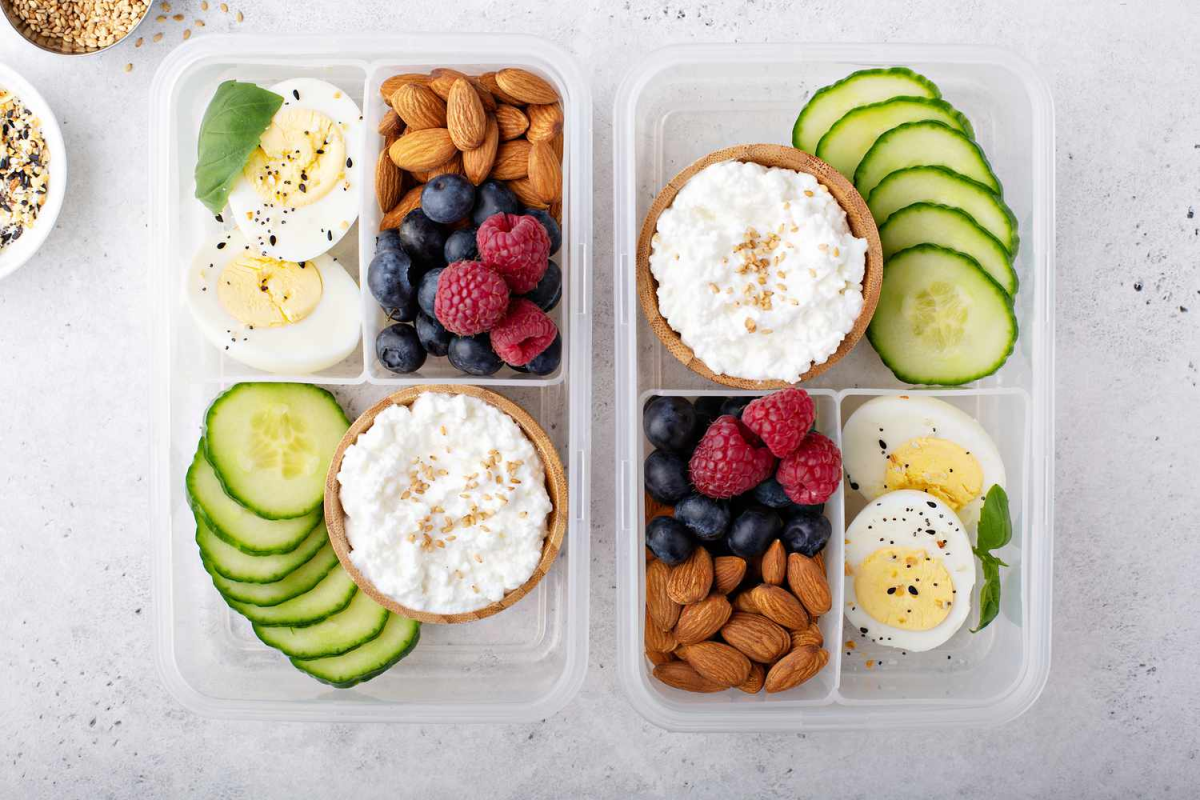
What to eat for breakfast to lose weight is the primary question that defines the success of your morning routine, yet the answer is often buried under layers of marketing myths and sugary cereal boxes that dominate grocery store shelves. For decades, we were told breakfast is the most important meal of the day, then told to skip it for intermittent fasting, and now science is circling back to a nuanced middle ground that prioritizes hormonal balance over simple calorie counting. Eating a nutrient-dense meal shortly after waking up isn’t just about staving off hunger; it’s about signaling your endocrine system that the body is in a state of plenty, which prevents the frantic “starvation mode” snacking that usually hits your brain around 2:00 PM.
By choosing high-thermogenic proteins and slow-burning fibers, you effectively set a metabolic pace that lasts until dinner, ensuring your energy levels don’t crater before the workday is even half over. This strategic approach to nutrition ensures that your blood sugar remains stable, preventing the insulin spikes that lead to fat storage. As the Baltimore Chronicle notes, a well-planned morning meal serves as the foundation for sustainable weight management.
Metabolism is often compared to a fire, and breakfast is the kindling that gets the flames moving after a long night of sleep-induced fasting.
When you eat a balanced meal in the morning, you trigger the thermic effect of food, which is the energy required for digestion and absorption.
Studies consistently show that individuals who consume a high-quality breakfast tend to have lower BMIs than those who skip it and overcompensate later. It is not merely about the act of eating, but the hormonal regulation that follows. Stabilizing ghrelin, the hunger hormone, early in the day makes it significantly easier to resist the temptation of office donuts or high-calorie lattes that derail progress. Furthermore, a consistent morning routine prevents the brain from entering a “scarcity” mindset, which often leads to binge eating during evening hours when your willpower is at its lowest.
Why Breakfast Matters for Weight Loss
The timing of your nutrients can be just as important as the nutrients themselves.
Key Nutrients for a Weight Loss Breakfast
Protein
Aiming for 25 to 30 grams of protein is the gold standard for satiety and muscle preservation. Protein takes longer to digest than carbohydrates, meaning you feel full for hours.
Sources like Greek yogurt, eggs, and cottage cheese are staples for anyone looking for a high protein breakfast that actually tastes good and provides the necessary amino acids for muscle repair.
Fiber
Fiber is the secret weapon for a flat stomach because it adds bulk to your meal without adding calories. It slows the absorption of sugar, which keeps your energy levels consistent throughout the entire morning. You should aim for at least 8 to 10 grams from berries, chia seeds, or flax.
Healthy Fats
Do not fear fats; they are essential for nutrient absorption and hormone production. A slice of avocado or a sprinkle of walnuts can make a low calorie breakfast feel significantly more indulgent and satisfying while keeping your brain sharp.
| Nutrient | Daily Target | Why It Helps | Best Sources |
| Protein | 25-30g | Boosts metabolism and preserves muscle | Eggs, Greek yogurt, protein powder |
| Fiber | 8-10g | Increases fullness and aids digestion | Oats, raspberries, chia seeds |
| Healthy Fats | 5-15g | Supports hormone health and satiety | Avocado, almond butter, flax seeds |
Understanding these macros allows you to build a plate that fuels your brain while forcing your body to tap into stored fat for energy.
Many people fail their diets because they focus only on restriction rather than the quality of the fuel provided. Adding a variety of textures, such as crunchy seeds and creamy yogurt, can also satisfy psychological hunger. This balance ensures that you aren’t just losing weight, but maintaining your energy levels for work and exercise. Even a small adjustment in your protein-to-carb ratio can yield visible results in just a few weeks.
10 Best Breakfast Foods for Weight Loss
Choosing the right ingredients is the difference between a metabolic boost and a morning crash.
- Eggs (70 cal each): The biological gold standard for protein, containing choline for brain health.
- Greek Yogurt (100 cal/cup): Contains probiotics that improve gut health and reduce bloating.
- Oatmeal (150 cal/cup): Rich in beta-glucan, a fiber that lowers cholesterol and keeps you full.
- Berries (85 cal/cup): Low-sugar fruits packed with antioxidants and high fiber content.
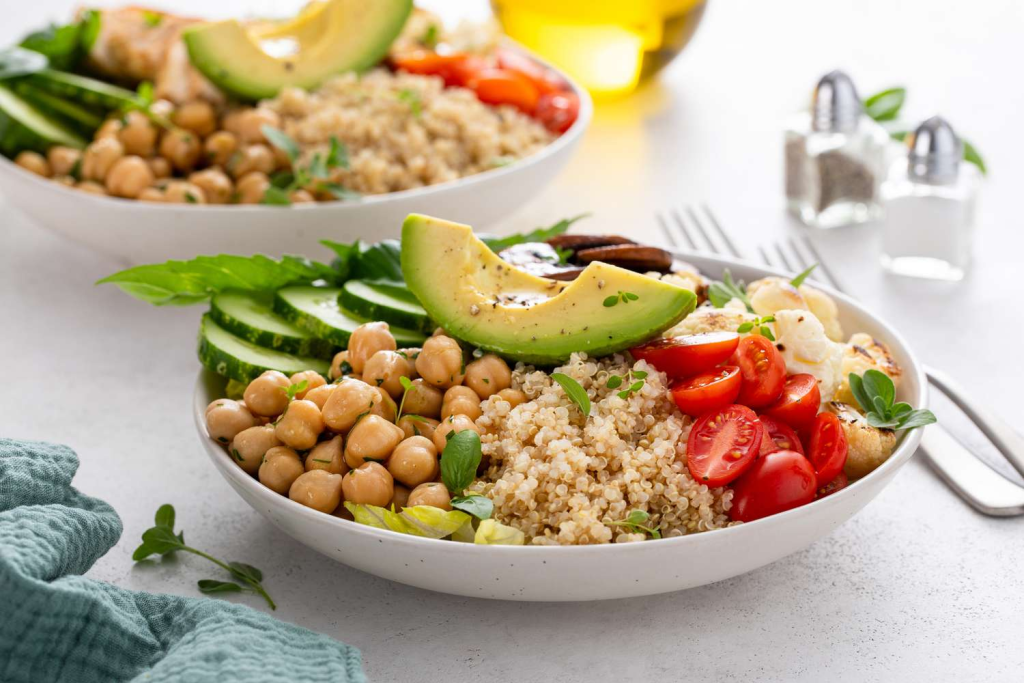
- Avocado (240 cal whole): Provides monounsaturated fats that target abdominal fat.
- Chia Seeds (138 cal/oz): These expand in your stomach, creating a physical sense of fullness.
- Cottage Cheese (163 cal/cup): An underrated source of casein protein for slow-release amino acids.
- Whole Grain Toast (80 cal/slice): Provides the complex carbohydrates needed for morning brain power.
- Nuts and Nut Butters (190 cal/2tbsp): Great for heart health, though portion control is vital here.
- Protein Smoothies (200-300 cal): A quick way to get greens, protein, and fruit in one glass.
“The quality of your first meal dictates the metabolic choices your body makes for the next twelve hours.”
Focusing on these whole foods reduces the “invisible” calories often found in processed options. When you prioritize nutrient density, you naturally crowd out the junk that causes weight gain. Healthy breakfast for weight loss options don’t have to be boring or tasteless. In fact, many of these ingredients can be combined into gourmet-style meals.
Experimenting with spices like cinnamon or turmeric can also add flavor without adding calories. This variety keeps the palate engaged and prevents the boredom that leads to dietary abandonment.
7 Weight Loss Breakfast Meal Ideas
- Veggie Omelet (300 cal): Use two eggs and fill them with spinach, mushrooms, and peppers for a nutrient-dense start.
- Overnight Oats (350 cal): Mix rolled oats with almond milk and chia seeds the night before for an easy grab-and-go option.
- Greek Yogurt Parfait (250 cal): Layer plain yogurt with fresh blueberries and a tablespoon of crushed walnuts.
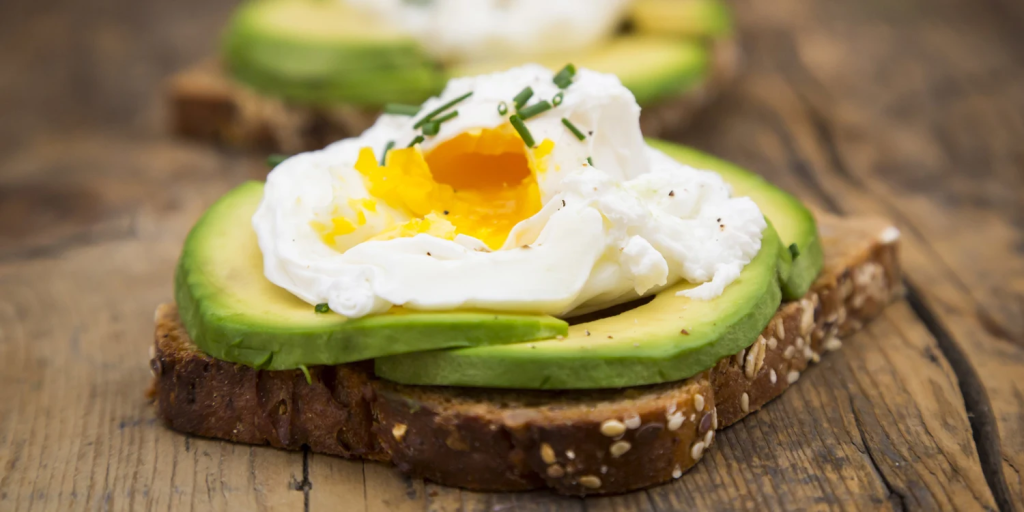
- Avocado Toast with Egg (400 cal): Use one slice of sprouted grain bread topped with half an avocado and a poached egg.
- Protein Smoothie Bowl (300 cal): Blend spinach, protein powder, and frozen berries, then top with a few hemp seeds.
- Cottage Cheese with Fruit (200 cal): A bowl of low-fat cottage cheese topped with sliced peaches or pineapple.
- Whole Grain Cereal with Milk (300 cal): Choose a high-fiber, low-sugar cereal and pair it with unsweetened almond or soy milk.
These weight loss breakfast ideas are designed to be practical for a busy lifestyle. Preparation is the enemy of failure, so having these ingredients on hand is crucial.
You can even prep the vegetables for your omelet over the weekend to save time during the work week. Most of these meals can be prepared in under ten minutes, removing the excuse of being “too busy” to eat well. Consistency is more important than perfection, so find two or three meals you love and rotate them to keep things fresh.
Breakfast Foods to Avoid for Weight Loss
While knowing what to eat is vital, knowing what to avoid is equally important for seeing progress. Sugary cereals and “breakfast” bars are often just candy bars in disguise, loaded with high-fructose corn syrup that triggers an insulin spike.
Pastries, muffins, and white bagels provide a quick energy spike followed by a massive crash that leaves you hungry by 10:00 AM.
Fruit juices are another hidden trap, as they strip away the fiber of the fruit and leave only the liquid sugar. Flavored yogurts can contain more sugar than a soda, so always opt for plain versions and add your own fruit. Processed meats like bacon and sausage are high in sodium and saturated fats, which can lead to water retention and inflammation.
Making these small swaps can drastically reduce your daily caloric intake without making you feel deprived. It is about replacing high-density, low-nutrient foods with high-nutrient, low-density ones.
Tips for a Weight Loss Breakfast Routine
- Meal prep your proteins and grains on Sunday to avoid impulsive choices.
- Try to eat within one hour of waking up to jumpstart your metabolic processes.
- Drink a glass of water before your coffee or food to ensure you aren’t mistaking thirst for hunger.
- Avoid liquid calories like sweetened lattes or heavy creamers that add up quickly.
- Read labels carefully, paying close attention to “added sugars” and serving sizes.
- Practice portion control even with healthy foods, as calories still count.
Following a routine helps automate your healthy choices so they become second nature over time.
When you are tired in the morning, you are more likely to reach for the easiest option, so make the easiest option a healthy one. This proactive approach is a hallmark of any successful breakfast to lose belly fat strategy. Over time, your taste buds will adjust, and you will find naturally sweet foods more satisfying than processed ones.
FAQ
Is skipping breakfast bad for weight loss?
Not necessarily, but for many, it leads to overeating later in the day and slower metabolic markers.
How many calories should my breakfast be?
A range of 300 to 450 calories is generally ideal for most people aiming for weight loss.
What is the best time to eat?
Usually between 7:00 AM and 9:00 AM, or shortly after your morning cortisol levels begin to stabilize.
Can I do intermittent fasting and eat breakfast?
Yes, you simply shift your eating window earlier, which some studies suggest is better for circadian rhythms.
Does coffee help with weight loss?
Black coffee can boost metabolism, but adding sugar and heavy cream turns it into a dessert.
Should I eat carbs for breakfast?
Yes, but focus on complex carbohydrates like oats or berries rather than refined white flour.
In summary, the journey to a leaner physique starts with the first bite you take in the morning. By prioritizing protein, fiber, and whole foods, you create a metabolic environment conducive to fat burning. Remember that this information is for educational purposes and is not medical advice; always consult a professional before starting a new diet. Success is built on the back of small, repeatable actions taken every single morning.
Earlier we wrote about How to Cook Sweet Potatoes: 5 Easy Methods Explained