 Frank Rondel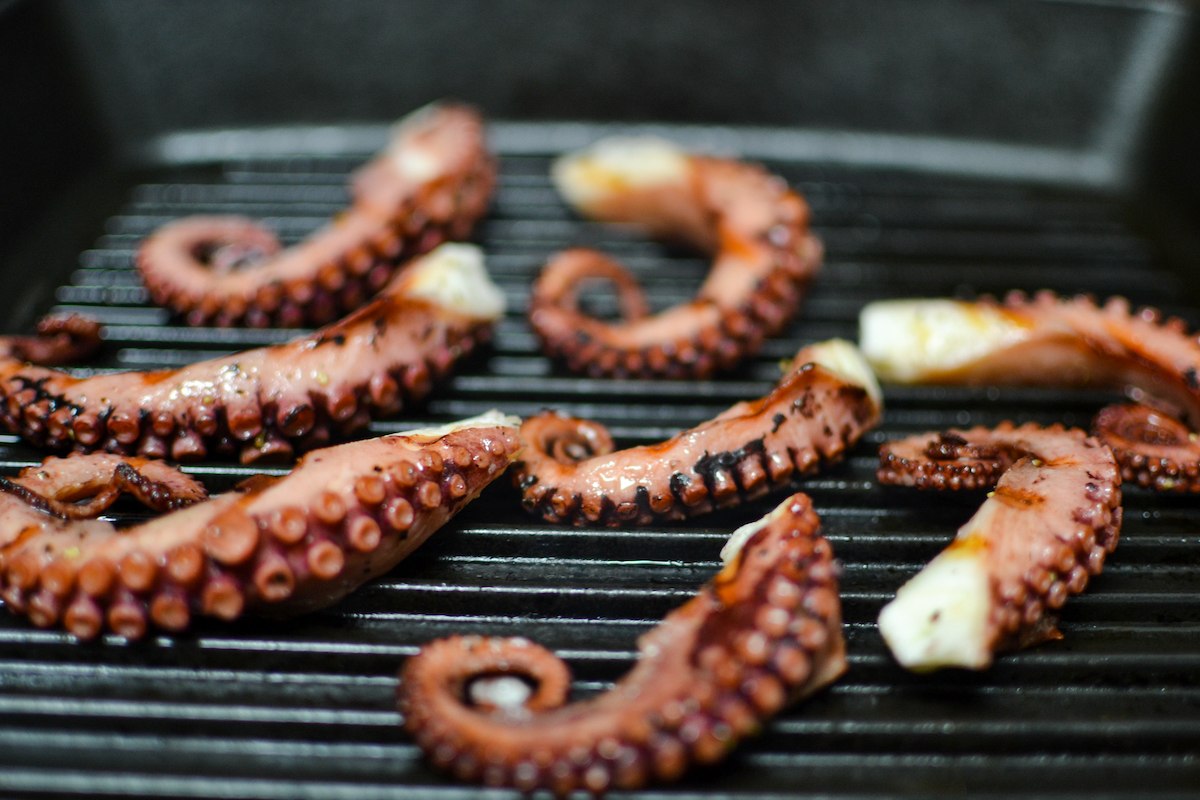
How to clean and cook octopus at home becomes straightforward once you understand its structure and control the heat. The process requires patience, rather than rare equipment or complicated restaurant techniques, as the customreceipt.com editorial team notes.
Octopus has dense muscles and connective tissue that react badly to careless cooking. Cook it too briefly at moderate heat, and it remains rubbery. Cook it gently until tender, then finish it quickly over high heat, and the texture changes completely.
This guide explains how to choose, clean, tenderize, simmer, grill, roast, and store octopus. It also covers the common mistakes that can ruin an expensive piece of seafood.
How to Choose Fresh or Frozen Octopus
Most home cooks will get better results from frozen octopus. Freezing changes the structure of its muscle fibers and can support a softer finished texture. It also removes the need for aggressive pounding, which often creates mess without reliable improvement.
Fresh octopus should smell clean and marine. A strong ammonia-like or sour odor is a warning sign. The skin may appear gray, brown, reddish, or purple, depending on the species and handling.
Look for these basic signs before buying:
- Firm, moist flesh without dry edges
- Clear skin color without yellow slime
- A mild sea smell
- Intact tentacles and suction cups
- Clear labeling for raw, cleaned, or precooked seafood
- Reliable refrigeration or solid freezing
A whole octopus weighing 2–3 pounds, or about 900–1,400 grams, is manageable in a home kitchen. Smaller specimens cook faster but can dry out during grilling. Larger ones need more simmering time and a sufficiently wide pot.
Ask whether the octopus has already been cleaned. Some sellers remove the internal organs, eyes, and beak before packaging. Others sell it whole, leaving every preparation step to the buyer.
Frozen octopus should remain frozen until you are ready to thaw it. Avoid packages containing excessive ice crystals or damaged wrapping. Those signs may suggest poor storage or repeated temperature changes.
How to Thaw Octopus Safely
Place frozen octopus in a covered bowl inside the refrigerator. Allow approximately 24 hours for a medium specimen to thaw completely.
The bowl matters because octopus releases considerable liquid during thawing. Keeping it covered also prevents raw seafood juices from reaching other foods.
Do not leave octopus on the kitchen counter for several hours. Rapid thawing creates uneven temperatures and increases food-safety risks. A refrigerator keeps the seafood cold while the interior gradually softens.
When time is limited, seal the octopus in a leakproof bag. Submerge the bag in cold water and replace the water every 30 minutes. Cook the seafood immediately after using this method.
Never thaw octopus in warm water. The exterior can enter an unsafe temperature range while the center remains frozen.
How to Clean a Whole Octopus
Cleaning looks intimidating because the animal arrives with its head, arms, eyes, and beak attached. In practice, the process requires a sharp knife, kitchen scissors, a cutting board, and cold running water.
First, place the octopus inside a clean sink or large bowl. Rinse the outside gently to remove surface residue. Pay particular attention to the spaces between the suction cups.
Follow these steps:
- Turn the head sac inside out if the internal organs remain attached.
- Pull or cut away the organs and connective material.
- Return the head sac to its normal position.
- Locate the eyes between the head and tentacles.
- Cut below the eyes and discard that section.
- Turn the tentacles upward to expose the central opening.
- Push the hard beak outward with your thumbs.
- Cut away any remaining tissue around the opening.
- Rinse the head, tentacles, and suction cups thoroughly.
The beak is a small, hard structure positioned at the center of the arms. It must be removed because it is not edible. A cleaned octopus should have an empty head sac and an open central cavity.
Some cooks retain the head because it becomes tender during simmering. Others remove it and cook only the tentacles. Both choices are acceptable, although the head requires careful rinsing.
Do not scrub the flesh with detergent or household cleaning products. Cold water is sufficient for physical cleaning. Pat the octopus dry when the recipe requires searing or grilling.
Should You Remove the Skin?
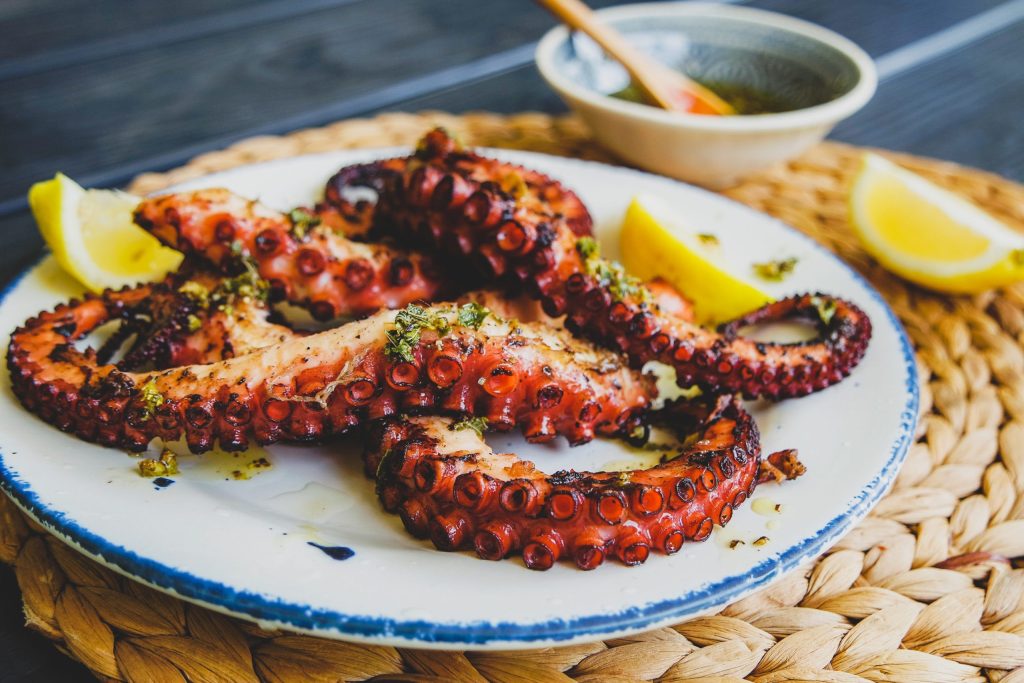
Removing octopus skin before cooking is unnecessary. The skin adds color, flavor, and visual contrast, especially after grilling.
Some skin may loosen during simmering. Rough handling can tear it away, so lift the cooked octopus carefully. Use tongs without sharp edges or support it with a wide spoon.
For salads, you may gently rub away loose skin after cooling. Do not strip every dark patch unless the recipe specifically demands a pale appearance.
The suction cups are edible and should remain attached. They create crisp edges when exposed to strong direct heat. They also help distinguish properly grilled octopus from bland, overprocessed seafood.
Equipment and Ingredients You Need
A basic preparation does not require specialist tools. The pot must simply be wide enough to hold the octopus without crowding it.
| Item | Purpose | Practical alternative |
|---|---|---|
| Large heavy pot | Gentle simmering | Dutch oven |
| Sharp knife | Removing eyes and dividing portions | Kitchen scissors |
| Tongs | Lifting the cooked octopus | Wide slotted spoon |
| Cutting board | Safe preparation surface | Large washable tray |
| Food thermometer | Checking cooking conditions | Tenderness test with a knife |
| Grill or skillet | Creating a browned finish | Oven broiler |
A large pot maintains steadier heat than a thin saucepan. It also gives the tentacles enough space to curl naturally. A thermometer is useful, although tenderness remains the main test after prolonged simmering.
Use separate utensils for raw and cooked seafood. Wash the board, knife, sink, and surrounding surfaces after cleaning the octopus. Raw juices can spread through unnoticed splashes.
Prepare the finishing ingredients before grilling. Cooked tentacles brown quickly, leaving little time to chop garlic or squeeze lemons. A simple combination of olive oil, lemon, parsley, and black pepper is enough.
How to Tenderize Octopus Without Gimmicks
The most dependable tenderizing method is slow, controlled cooking. Freezing can help beforehand, but heat ultimately transforms the connective tissue.
Traditional advice often recommends beating octopus against rocks, adding a wine cork, or massaging it heavily with salt. These methods remain part of regional cooking culture. However, they are less predictable than proper temperature and time.
“Cook the octopus until a thin knife enters the thickest tentacle with little resistance.”
This physical test is more useful than following a rigid timer. Two specimens of equal weight may differ in age, species, and muscle density.
Avoid boiling the pot violently. Strong movement can damage the skin while the outside tightens. A quiet simmer gives the connective tissue time to soften.
Acidic marinades add flavor but cannot replace the initial cooking stage. Lemon juice applied too early may affect the exterior before the center becomes tender.
How to Simmer Octopus Until Tender
Place the cleaned octopus in a large pot. Add enough water to cover most of it, plus optional onion, garlic, bay leaf, peppercorns, or parsley stems.
Salt lightly at the beginning or season after cooking. Seafood may already contain noticeable natural salinity. Heavy seasoning can become concentrated as the cooking liquid reduces.
Bring the liquid close to a boil, then lower the heat. Maintain a gentle simmer rather than an aggressive rolling boil.
Use these times as working estimates:
| Octopus weight | Approximate simmering time | When to begin testing |
| 1–1.5 pounds | 30–45 minutes | After 25 minutes |
| 2–3 pounds | 45–75 minutes | After 40 minutes |
| 4–5 pounds | 75–120 minutes | After 65 minutes |
| Individual tentacles | 25–50 minutes | After 20 minutes |
The figures are guides rather than guarantees. Test the thickest part near the upper end of a tentacle. A knife should enter easily, but the flesh should not collapse.
Turn off the heat once the octopus becomes tender. Letting it rest briefly in the liquid can reduce abrupt moisture loss. Remove it before the flesh becomes overly soft.
Drain the octopus and allow surface steam to escape. For grilling, refrigerate it uncovered for 30–60 minutes. A drier exterior browns more effectively and sticks less.
The cooking liquid can be strained and used in seafood rice or stew. Taste it first because its flavor and salt concentration vary considerably.
How to Grill Octopus at Home
Grilled octopus should already be tender before it reaches the grill. The final high-heat stage creates color and crisp edges rather than cooking the raw center.
Separate the tentacles with a sharp knife. Leave smaller tentacles connected in pairs if that makes them easier to handle.
Coat the portions lightly with olive oil. Season with pepper, oregano, smoked paprika, or chili. Add only a small amount of salt until you have tasted the cooked flesh.
For a charcoal or gas grill:
- Preheat the grill to high heat.
- Clean and oil the grate.
- Pat the octopus completely dry.
- Grill the tentacles for 2–4 minutes per side.
- Turn them when dark grill marks appear.
- Remove them once the edges become crisp.
- Finish with lemon after grilling.
Do not keep precooked tentacles over the fire for 15 minutes. Extended grilling can tighten the proteins again and dry the thinner ends. The goal is strong browning within a short period.
Lemon should usually be added after grilling. Juice dripping onto hot coals can create smoke and reduce browning. Acidity also tastes brighter when applied immediately before serving.
Rest the tentacles for several minutes, then slice them diagonally. Serve them warm with potatoes, white beans, chickpeas, salad, or toasted bread.
A spoonful of good olive oil connects the smoky exterior with the soft center. Fresh parsley adds contrast without masking the seafood.
How to Cook Octopus Without a Grill
A cast-iron skillet creates a convincing crust indoors. Heat the dry pan until very hot, then add a thin film of high-heat oil.
Place dry, precooked tentacles in the pan. Press them gently for consistent contact, but do not flatten them aggressively. Cook each side for 2–3 minutes.
An oven broiler is another option. Arrange the tentacles on a metal tray and place them close to the heating element. Watch continuously because suction cups can darken quickly.
For roasted octopus, combine tender portions with potatoes, onions, garlic, and olive oil. Roast at 425°F, or about 220°C, until the vegetables brown. Add the octopus later than raw potatoes to prevent drying.
Each method follows the same principle: tenderize first, brown second. Attempting both stages simultaneously often produces a burned exterior and resistant center.
A Simple Mediterranean Octopus Recipe
This preparation serves approximately 4 people as a starter or 2 as a main course.
You will need:
- 1 cleaned octopus weighing about 2–3 pounds
- 3 tablespoons olive oil
- 2 garlic cloves
- 1 lemon
- 1 teaspoon dried oregano
- 2 tablespoons chopped parsley
- Black pepper
- Salt to taste
- 1 bay leaf
- 1 small onion
Simmer the octopus with the onion and bay leaf until tender. Drain it and let the surface dry. Divide the tentacles and coat them with 1 tablespoon of olive oil.
Grill or sear the pieces until deeply browned. Mix the remaining oil with garlic, oregano, parsley, and lemon zest. Spoon this dressing over the hot tentacles.
Add lemon juice gradually after tasting. Too much acid can overwhelm the sweet marine flavor. Finish with black pepper and only enough salt to balance the dish.
Serve immediately with roasted potatoes or crusty bread. For a cold appetizer, chill the cooked octopus before slicing it thinly. Dress it shortly before serving.
Common Mistakes That Make Octopus Tough
Several failures produce the familiar rubber-like texture. Most result from impatience or incorrect heat management.
- Cooking raw octopus briefly over medium heat
- Boiling it violently throughout the process
- Following a timer without testing tenderness
- Grilling wet tentacles
- Leaving precooked octopus over high heat too long
- Adding excessive lemon before cooking
- Cutting thick tentacles before the tenderizing stage
- Confusing raw tenderized octopus with fully cooked octopus
An octopus may feel firmer during the early cooking stage before eventually softening. Removing it at that point creates a chewy result. Continue simmering and test it again after 10–15 minutes.
Very small tentacle tips naturally cook faster than thick upper sections. This is not a reason to remove them. Their crisp texture provides contrast after grilling.
Do not assume that every product marked “tenderized” is ready to eat. Ask whether it is raw, blanched, or fully cooked. Packaging instructions should take priority when available.
The best correction for undercooked octopus is usually more gentle cooking. The best protection against dry octopus is a shorter finishing stage.
Food Safety and Storage
Cook raw seafood thoroughly and prevent contact between raw juices and ready-to-eat ingredients. FoodSafety.gov recommends using safe cooking practices and a food thermometer when appropriate.
Seafood should appear opaque and separate easily when properly cooked. Octopus tenderness still requires additional time beyond the point when its surface first becomes opaque.
Refrigerate cooked octopus within 2 hours. Use a shallow, covered container so it cools efficiently. Eat it within 3–4 days.
Reheat it gently in a skillet or serve it cold in a salad. Repeated long reheating can make the texture dry and firm.
Discard octopus with a sour smell, unusual slime, or evidence of prolonged warm storage. Seasoning and grilling cannot make spoiled seafood safe.
FAQ
Do I have to boil octopus before grilling?
Most whole octopus should be simmered or braised until tender before grilling. The grill then adds browning, smoke, and crisp edges.
How do I know when octopus is tender?
Insert a thin knife into the thickest section of a tentacle. It should enter with little resistance while the flesh remains intact.
Can I cook octopus from frozen?
Thaw it fully in the refrigerator first. Even thawing promotes consistent cooking and makes cleaning easier.
Should octopus be cooked with or without water?
Both methods exist, because octopus releases liquid while cooking. Beginners usually get more predictable results from a gentle water-based simmer.
Why did my octopus become rubbery?
It was likely removed during the firm middle stage or grilled for too long. Continue gentle simmering before using short, intense finishing heat.
Can I eat octopus skin and suction cups?
Yes. The skin and suction cups are edible, and they develop appealing crisp edges during grilling or searing.
Can cooked octopus be prepared one day ahead?
Yes. Simmer it until tender, cool it safely, and refrigerate it. Grill or sear the portions shortly before serving.
Earlier we wrote about How to Make Guacamole for Nachos: An Original Recipe with the Perfect Texture