 Frank Rondel
How to stop snoring is a question that haunts nearly half of the adult population at some point in their lives. It is more than just a nightly nuisance that keeps partners awake in separate rooms. For many, this rhythmic rattling indicates a struggle for air that compromises deep sleep cycles and cardiovascular health. Whether it stems from a temporary cold or a lifelong physiological trait, the impact on daytime productivity is undeniable. Understanding the mechanics of your airway is the first step toward reclaiming your nights, as noted by the customreceipt.com.
What Causes Snoring?
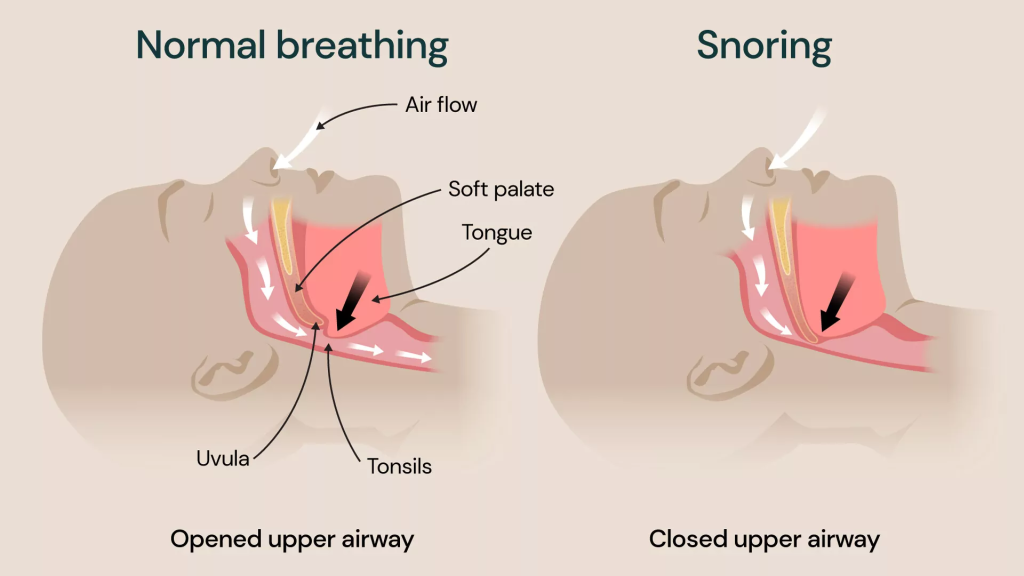
To understand why we make noise during sleep, we must look at the physics of the throat.
When you drift off, the muscles in the roof of your mouth, tongue, and throat relax. If these tissues relax too much, they partially block your airway and vibrate as air rushes past.
The sound intensity depends on how restricted the airflow becomes. Some people are born with a low, thick soft palate or enlarged tonsils that narrow the opening. Others may find that age or weight gain increases the amount of tissue in the neck area, putting pressure on the breathing passages. These factors often work in combination rather than in isolation. For instance, a person with a naturally narrow airway might only snore after consuming a glass of wine.
Environmental triggers like dust or pet dander can also inflame nasal passages overnight.
| Cause | Description | Who It Affects |
| Anatomy | Low soft palate or large tonsils | People with specific genetic traits |
| Nasal Issues | Chronic congestion or deviated septum | Allergy sufferers and those with injuries |
| Weight | Excess fatty tissue around the throat | Individuals with a high BMI |
| Alcohol | Muscle relaxant that collapses the airway | Casual or heavy drinkers before bed |
| Age | Decreased muscle tone in the throat | Adults over 50 |
It is crucial to identify which specific category your symptoms fall into before buying expensive equipment. Medical professionals suggest tracking your sleep patterns for at least a week. This data helps in distinguishing between simple snoring and more serious obstructive conditions. Many find that a combination of factors contributes to the nightly noise. Correct identification leads to faster relief.
10 Home Remedies to Stop Snoring
Many people find relief through simple adjustments to their environment and evening rituals. You do not always need surgical intervention to silence the noise. How to stop snoring often begins with trial and error in the comfort of your own bedroom.
- Sleep on your side to prevent the tongue from falling backward.
- Elevate the head of your bed by four inches to open the airway.
- Use nasal strips or an external dilator to increase airflow.
- Maintain a healthy weight to reduce pressure on the neck.
- Avoid alcohol for at least four hours before going to sleep.
- Stay hydrated to prevent mucus in the nose from becoming sticky.
- Use a humidifier if the air in your room is excessively dry.
- Perform throat exercises to strengthen the airway muscles.
- Change your pillows regularly to avoid allergens and dust mites.
- Establish a consistent sleep routine to avoid overtiredness.
Consistency is the most important factor when trying these natural methods. It may take several days or even weeks for the muscles to adapt to a new sleeping position. If you choose to use nasal strips, ensure the skin is clean so the adhesive stays firm throughout the night. Hydration plays a surprisingly large role in respiratory comfort during the early morning hours.
Many find that a combination of three or four of these tips yields the best results. Over time, these small habits become second nature and lead to significantly quieter rest.
Lifestyle Changes That Reduce Snoring
Beyond immediate bedroom fixes, your daily choices dictate your nocturnal breathing.
Physical activity, for example, tones various muscles in the body, including those in the neck and throat. When these muscles are firmer, they are less likely to collapse during the REM stage of sleep.
Quitting smoking is another pillar of long-term relief because nicotine and smoke irritate the lining of the nasal cavity. This irritation leads to swelling and decreased airflow, making snoring causes more pronounced over time. Furthermore, managing your sleep schedule helps regulate your body’s internal clock. When you are exhausted, your muscles drop into a deeper state of relaxation than usual. This “heavy” sleep is a primary trigger for intense vibrations.
When to See a Doctor
While many see it as a joke, snoring can be a symptom of obstructive sleep apnea (OSA).
This is a serious condition where breathing repeatedly stops and starts. If you wake up gasping for air or feel exhausted despite eight hours of rest, a consultation is necessary.
Morning headaches and high blood pressure are also major red flags that should not be ignored. A sleep study is the gold standard for determining if your snoring is a cosmetic issue or a clinical emergency. Chronic loud snoring that is interrupted by silences is the most common sign of OSA. A doctor might recommend a polysomnography to monitor your oxygen levels and heart rate. Do not wait for a partner’s complaint to take action if you feel your health is declining. Early intervention can prevent long-term strain on the heart and brain.
Snoring Aids and Devices
The market is flooded with products designed to help you breathe easier at night. Snoring remedies range from simple stickers to advanced machinery like CPAP.
Mandibular advancement devices, which look like sports mouthguards, work by pulling the lower jaw forward. This movement keeps the airway open by preventing the tongue from obstructing the throat. For those with allergies, HEPA filters and specialized nasal dilators offer a drug-free way to clear the path for air. Stop snoring naturally by using positional therapy belts that vibrate when you roll onto your back. These devices “train” your body to remain on its side without waking you up fully. It is often best to start with the least invasive tool before moving to prescription-grade equipment. Always ensure that any dental device is fitted correctly to avoid jaw pain.
FAQ
- Can losing weight really stop snoring? Yes, because reducing fat around the throat lessens the external pressure on your airway.
- Are there specific exercises for the throat? Pronouncing certain vowel sounds and curling the tongue can strengthen the muscles involved in breathing.
- Is snoring always a sign of sleep apnea? No, but it is one of the most frequent indicators, so a professional check-up is wise.
- How do nasal strips work? They physically lift the sides of the nose to widen the nasal passages for better air intake.
- Does caffeine affect snoring? While not a direct cause, caffeine can disrupt sleep cycles, leading to the overtiredness that triggers snoring.
- What is the best sleeping position? Side sleeping is almost universally recommended by experts to keep the airway unobstructed.
Finding the right snoring solutions requires patience and a willingness to change old habits.
Most individuals can achieve a quieter night through a combination of weight management and positional changes. Remember that quality sleep is the foundation of mental and physical health. If your efforts at home do not produce results, seek professional advice to ensure you are breathing safely. A quiet night is not just a gift for your partner, but a necessity for your own longevity.
Earlier we wrote about How to Reduce Stress Naturally: 15 Science-Backed Methods