 Frank Rondel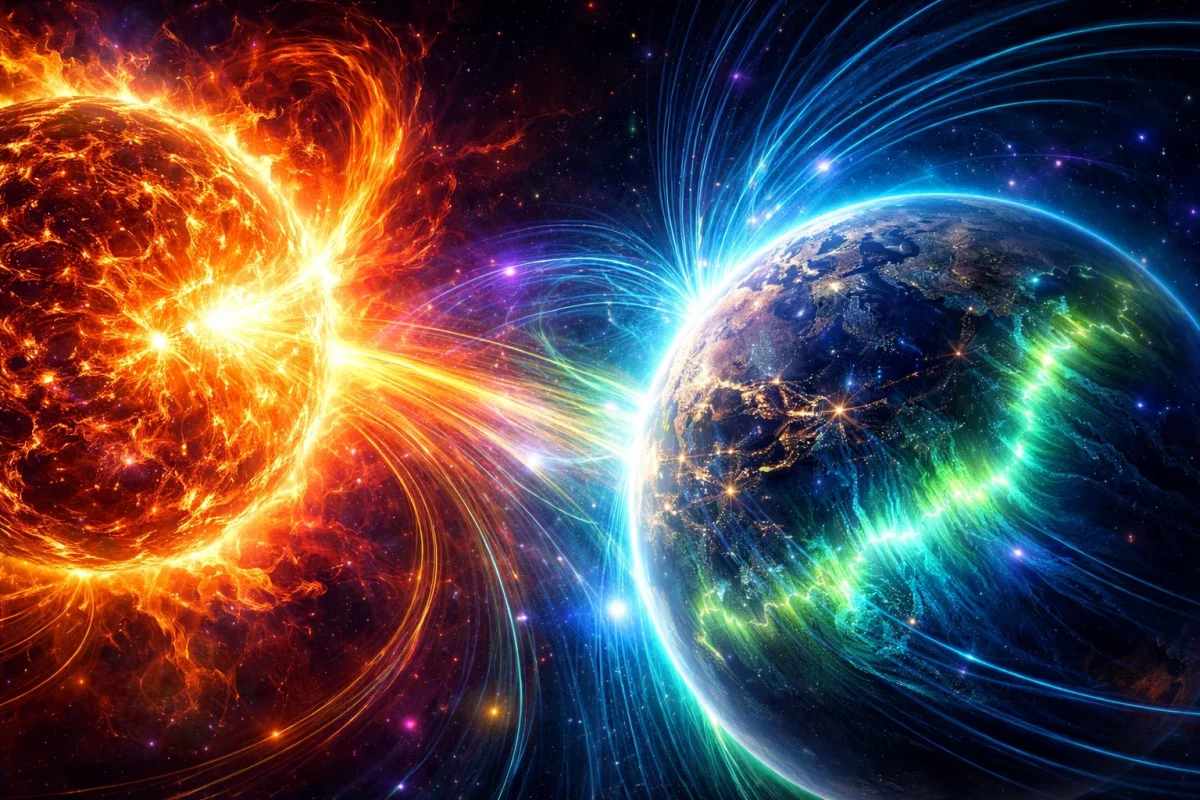
Magnetic storms January 8 2026 are expected to reach moderate levels due to a recent solar flare near the Sun’s equator. This celestial event occurs as charged particles from the solar wind interact with the Earth’s magnetic field. Space weather stations have been monitoring an active sunspot region that released a coronal mass ejection earlier this week. For many individuals, this disturbance in the magnetosphere can lead to noticeable changes in physical and emotional well-being. Scientists predict that the peak of the activity will occur during the early morning hours in the Western Hemisphere. People with cardiovascular sensitivities or chronic migraines should take extra precautions during this twenty-four hour period. Staying informed about these cosmic shifts allows for better personal planning and health management throughout the day. Detailed data regarding the intensity and duration of these fluctuations has been analyzed by the customreceipt.com.
Understanding the mechanics of geomagnetic disturbances
Solar activity follows an eleven year cycle that dictates the frequency and intensity of storms reaching our planet. During the current phase, the Sun exhibits more frequent flares and coronal holes that release high speed streams. When these streams collide with the Earth’s protective shield, they cause temporary fluctuations known as geomagnetic storms. These events are measured using the K-index, which ranges from zero to nine to indicate intensity. A level five or higher is generally considered a storm that can impact technology and human health. While our atmosphere protects us from direct radiation, the magnetic changes can still influence biological rhythms. Many researchers study how these shifts affect the production of melatonin and the stability of blood pressure.
Common symptoms experienced during periods of high solar activity:
- Intense headaches or a feeling of pressure in the frontal lobe area.
- Sudden fluctuations in blood pressure levels for sensitive individuals.
- General fatigue and a lack of motivation despite adequate rest.
- Irritability and unexplained changes in emotional stability or mood.
- Disturbed sleep patterns including insomnia or vivid, restless dreams.
- Joint pain or increased sensitivity in old physical injuries.
- Palpitations or a sensation of a racing heart during peak hours.
These physical responses are often the result of the body trying to adapt to environmental electromagnetic changes. Medical professionals suggest that the nervous system is particularly sensitive to these invisible cosmic forces. By tracking the forecast, you can distinguish between a standard illness and a reaction to space weather. It is helpful to keep a journal of your symptoms to find personal patterns over time. Most symptoms disappear as soon as the Earth’s magnetic field returns to a quiet state. If you experience severe pain, you should always consult a doctor regardless of the solar forecast. Awareness is the first step in mitigating the discomfort caused by these unavoidable natural phenomena.
Impact on technology and global communication systems
Geomagnetic storms do not only affect biological organisms but also the sophisticated technology we rely on daily. High energy particles can interfere with satellite electronics and degrade the quality of GPS signals significantly. For aviation and maritime industries, precise navigation is crucial, and solar storms require additional safety protocols. Power grids are also at risk as geomagnetic induced currents can overload transformers in high latitude regions. While an index of four or five is unlikely to cause a total blackout, it can lead to minor voltage irregularities. Engineers at major utilities monitor solar data around the clock to prevent potential damage to the infrastructure.
Current technical risk assessment for the upcoming event:
| System category | Expected impact level | Precautionary measures |
| Satellite navigation | Minor signal lag | Use terrestrial backup systems if precision is vital. |
| Radio communication | Shortwave interference | Avoid critical long distance transmissions during peaks. |
| Power infrastructure | Low voltage stability | Utilities switch to protective load balancing modes. |
| Mobile networks | No significant impact | Standard usage is generally safe for consumers. |
Technicians often observe that communication equipment might experience static or dropped connections during peak geomagnetic activity. These issues are temporary and usually resolve within a few hours after the solar wind stabilizes. For the average smartphone user, the effects will likely be unnoticeable in most urban environments. However, hobbyists using amateur radio may find long distance propagation to be quite unpredictable. The resilience of modern technology has improved greatly since the last major solar maximum. Continuous monitoring by international space agencies ensures that we have enough warning to protect sensitive systems.
Practical health tips for navigating solar peaks
Managing your health during a magnetic storm requires a proactive approach to hydration and stress reduction. Many experts recommend increasing water intake to maintain blood viscosity and support the vascular system. Avoiding heavy physical exertion can prevent unnecessary strain on the heart during periods of geomagnetic pressure. Herbal teas like chamomile or valerian root can help stabilize the nervous system and improve sleep quality. It is also wise to limit the use of electronic devices as they emit their own electromagnetic fields. Creating a calm environment at home can significantly reduce the psychological impact of solar disturbances.
Suggested lifestyle adjustments for January 8:
- Drink at least two liters of pure water throughout the day.
- Reduce the consumption of caffeine, alcohol, and very salty foods.
- Practice light stretching or yoga instead of high intensity training.
- Take contrast showers to improve vascular tone and circulation.
- Ensure at least eight hours of sleep in a dark, quiet room.
- Spend time in nature to help the body ground itself naturally.
Following these steps can lead to a much more comfortable experience during the solar peak. The goal is to provide your body with the resources it needs to maintain internal equilibrium. Many people find that simple breathing exercises are highly effective for managing sudden spikes in blood pressure. If you work in a high stress environment, try to take short breaks every hour to reset your focus. Consistency in these habits will build long term resilience against various environmental stressors. Remember that the effects of solar activity are temporary and usually pass quickly.
Earlier we wrote about how to store Epiphany water correctly: shelf life and tips for keeping properties.