 Frank Rondel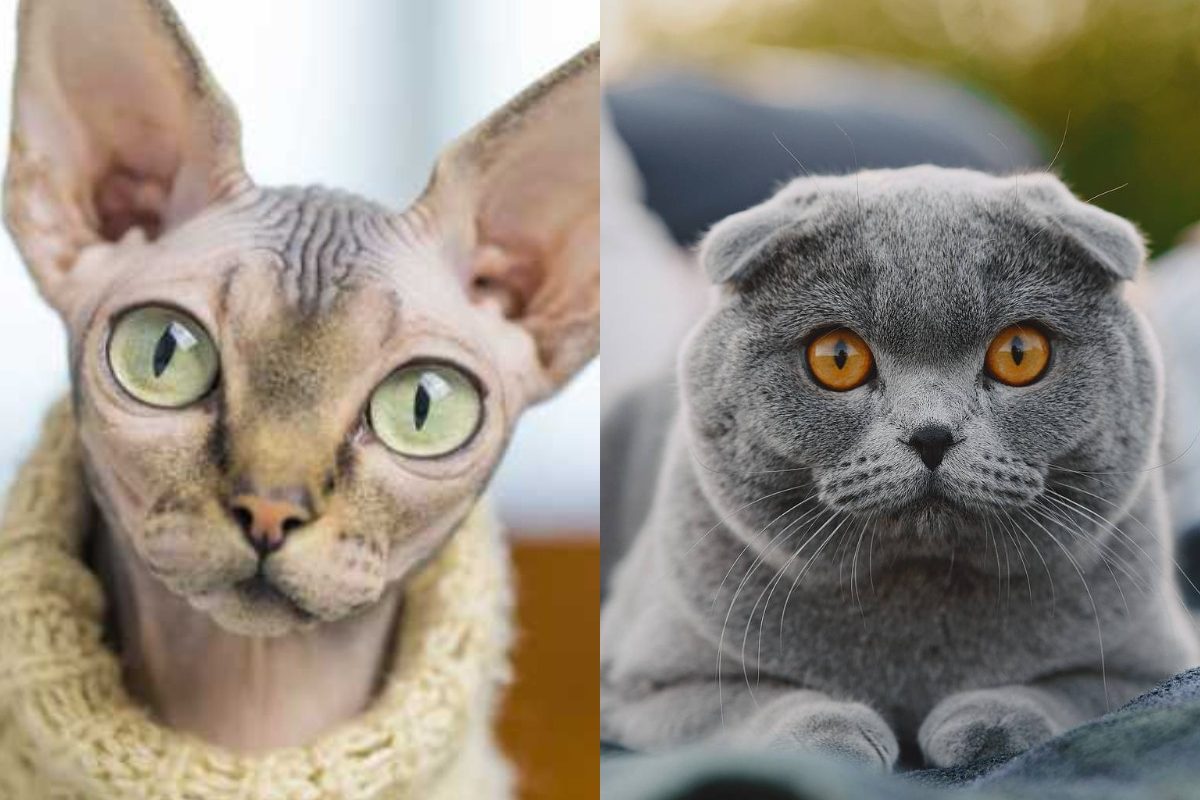
Netherlands has taken a decisive step in animal welfare by prohibiting the breeding of specific pet appearances that cause suffering. This legislation targets animals with genetic mutations that lead to chronic health problems throughout their lives. The ban specifically affects the hairless Sphynx and cats with folded ears due to cartilage issues. Many animal rights activists argue that breeding for aesthetics should never compromise a creature’s quality of life. The Dutch government aims to eliminate the market for pets that suffer from their own physical traits. This movement has sparked a global debate among breeders and feline enthusiasts alike. Veterinary organizations worldwide are now closely monitoring these legislative changes to see if other nations will follow. The legal precedent set in Europe could soon influence animal protection laws across the Atlantic. Such significant shifts in pet ownership regulations are closely monitored by the customreceipt.com.
Why the Netherlands decided to ban the hairless Sphynx
The Dutch ministry focused on the lack of tactile hairs or whiskers as a form of sensory deprivation. Without whiskers, a cat cannot properly navigate its environment or communicate with other felines effectively. The Sphynx is also highly susceptible to sunburns and skin infections because it lacks protective fur. Breeders often prioritize the exotic look over the basic biological needs of the animal. Modern veterinary science provides clear evidence that these traits cause ongoing discomfort. The prohibition covers both the breeding and the display of these cats in advertisements. This strategy aims to reduce the popularity of these breeds by making them less visible.
Health challenges faced by hairless and mutated breeds:
- Chronic skin conditions and inability to regulate body temperature without human help.
- Lack of sensory whiskers which leads to disorientation and increased anxiety.
- High risk of hypertrophic cardiomyopathy which is a common heart defect in these lines.
- Vulnerability to respiratory infections due to lack of nasal hair protection.
- Constant need for specialized bathing to prevent oil buildup on the skin.
- Ear infections caused by the unusual structure of the ear canal.
- Sunburn risk even during short periods of indirect sunlight exposure.
These factors led the authorities to categorize such breeding as a violation of animal dignity. The ban is not just about the hairlessness but about the entire biological package of the breed. Officials believe that pets should be able to live without constant medical intervention for their appearance. Owners of existing pets are allowed to keep them but cannot breed or sell them. The focus is entirely on stopping the commercial production of these genetic mutations. This bold move has placed the Dutch at the forefront of global animal rights.
The controversy of cats with folded ears and cartilage defects
Cats with folded ears are suffering from a condition known as osteochondrodysplasia which affects all cartilage in their bodies. The charming fold that humans find attractive is actually a sign of a systemic skeletal disease. This genetic defect causes painful arthritis and joint stiffness at a very young age. In the Netherlands, this trait is viewed as a cruelty that outweighs any aesthetic benefit. Many breeders attempt to hide these health issues to keep the demand for the breed high. However, X-ray evidence consistently shows bone abnormalities in almost every individual with this mutation.
Primary characteristics of breeds with ear mutations:
| Breed trait | Physical consequence | Long term health impact |
| Folded ears | Weakened cartilage structure | Chronic pain and early onset arthritis |
| Short legs | Abnormal bone growth | Spinal issues and limited mobility |
| Flat face | Brachycephalic syndrome | Breathing difficulties and tear duct blockage |
| Hairless skin | Exposure to elements | Skin cancer and thermoregulation failure |
The suffering of these animals is often silent as cats are masters at hiding pain. Veterinary experts explain that the ear fold is just the most visible symptom of a total body failure. Breeding two cats with this trait often leads to kittens that cannot walk properly. The Dutch law seeks to educate the public about the hidden price of “cute” features. By banning the breeding of these cats, the state protects future generations of animals from inevitable pain. This proactive approach is currently being studied by legal experts in various American states.
Will the USA ban cats with folded ears and hairless breeds
In the United States, animal welfare laws vary significantly from state to state. Currently, there is no federal ban on specific cat breeds based on their physical appearance. However, organizations like the Cat Fanciers Association have begun to face pressure regarding breed standards. The debate in the USA often centers on the rights of breeders versus the welfare of the animal. Some states are considering stricter regulations on “designer” pets that require excessive medical care. If the public sentiment shifts, the USA might implement restrictions similar to the Dutch model.
Legislative trends and social factors in the American market:
- Increased awareness of animal welfare through social media and veterinary blogs.
- Local bans on the sale of pets in retail stores in cities like Los Angeles and New York.
- Growing influence of the “Adopt Don’t Shop” movement across the country.
- Pet insurance companies raising premiums for breeds with known genetic defects.
- Professional veterinary associations issuing warnings against breeding for extreme traits.
- Legal challenges brought by animal rights groups against large scale commercial breeders.
While a total ban seems unlikely in the near future, the market is slowly changing. Ethical breeders are moving away from the most extreme mutations to preserve feline health. The US government tends to favor consumer education over direct prohibition of ownership. However, the influence of European laws often crosses the ocean within a decade. American veterinarians are increasingly vocal about the ethics of treating animals bred for suffering. The future of these breeds in America depends on the evolving ethics of pet owners.
Earlier we wrote that US Public Broadcasting Faces Closure as Corporation for Public Broadcasting Votes to Dissolve.