 Frank Rondel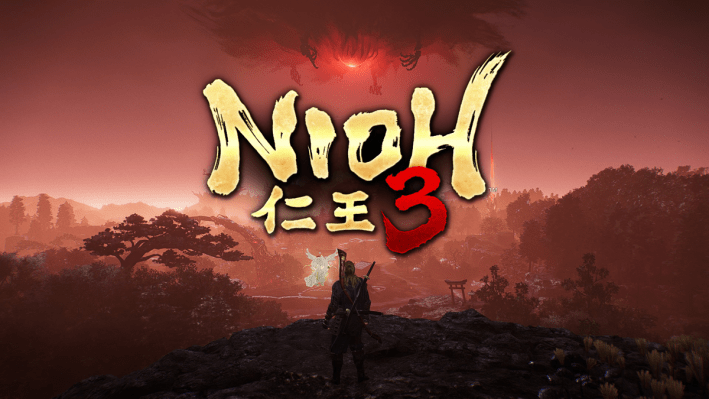
Team Ninja’s Nioh 3 introduces a major overhaul to its acclaimed series, replacing traditional static maps with expansive open-world landscapes spanning multiple eras of Japanese history, enhancing combat with a brand-new Ninja Stance alongside Samurai Stance, and implementing numerous quality-of-life improvements, reports customreceipt.com. Players step into the role of Takechiyo, grandson of Ieyasu Tokugawa and heir to the Shogunate, who must navigate a corrupted present by traveling through time to defeat an ancient evil while encountering supernatural yokai, Guardian Spirits, and magical stones along the way.
Unlike its predecessors, Nioh 3 does not significantly alter its narrative structure, which remains largely a backdrop to guide players through historic conflicts and epic battles. The story continues to be relatively dry, relying heavily on Japan’s historical context, and may not engage newcomers unfamiliar with the era. Cutscenes are concise, however, and the pace of combat ensures that narrative shortcomings never obstruct the overall gameplay experience.
Combat is where Nioh 3 shines most. Samurai Stance preserves traditional mechanics, requiring careful stamina management through Ki Pulses, tactical stance switching, and a balance of offense and defense. Ninja Stance, entirely new to the series, favors rapid attacks, minimal stamina usage, and allows players to overwhelm enemies while using three unique ninjutsu abilities such as shuriken, traps, and magic spells that recharge with each successful strike. Both stances are interchangeable at any time and come with separate equipment sets, allowing for two distinct playstyles simultaneously. Team Ninja ensures that both modes remain viable against all enemy types, encouraging players to creatively adjust their approach without mandating one stance over the other.
Nioh 3 transitions from a mission-based structure to open-world gameplay spanning over 40 hours. Players explore eras including Edo, Heian, Bakumatsu, and even antiquity, encountering expansive battlefields with optional bosses, combat challenges, and meaningful rewards. The game introduces new progression systems such as Lesser Crucibles, Masters, and Jizo Statues, all granting enhancements to Guardian Spirits, skill trees, and bonuses in Crucibles. Collectibles such as Kodama and Scampus return, and area exploration ratings provide further rewards, from stat boosts to additional points of interest on the map.
Despite the scale of its open worlds, the game’s environments often lack unique identity, with recurring enemies across distinct periods diminishing the sense of historical differentiation. While a variety of new enemies is introduced, returning foes rarely feature new attack patterns, slightly reducing the challenge in otherwise dynamic encounters. Nevertheless, Nioh 3 maintains a high difficulty level characteristic of the series. Aggressive AI, punishing stamina management, and formidable bosses demand precision and strategy, while generous checkpoints, abundant shortcuts, and fast load times mitigate frustration even over hundreds of deaths.
Loot remains a complex element. While highly rewarding in New Game+ runs, first-time playthroughs may feel bogged down by rapidly outdated equipment, thousands of items, equippable skills, skill trees, prestige points, Guardian Spirits, and dual-positioned Soul Cores. Players are encouraged to prioritize high-stat gear initially and engage more deeply with the system in subsequent playthroughs.
In conclusion, Nioh 3 represents a transformative evolution of the series, blending open-world exploration with unparalleled combat flexibility through its dual-stances, while continuing to challenge players with its intense difficulty, rich mechanics, and extensive customization options.
Earlier we wrote that NASA Completes Artemis II Wet Dress Rehearsal, Resolves Hydrogen Leak, Targets March Launch