 Frank Rondel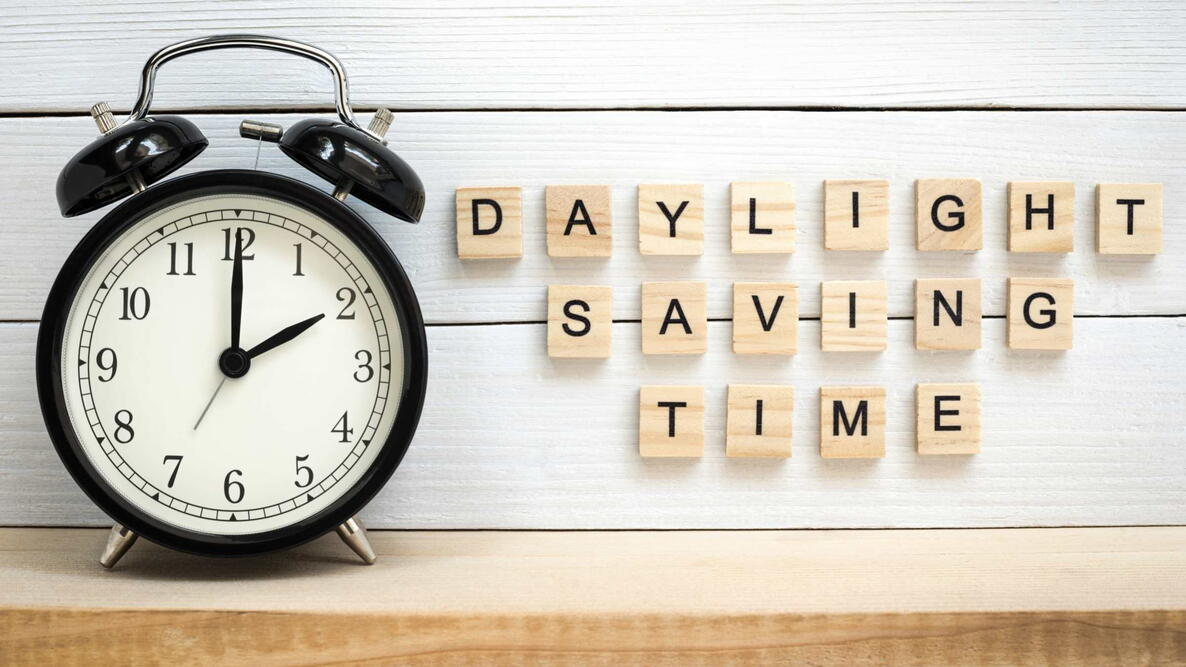
Daylight saving time for 2026 officially began early Sunday, March 8, at 2 a.m. local time, resulting in most Americans losing one hour of sleep as clocks moved forward, reports customreceipt.com via CBS News. This yearly adjustment, observed on the second Sunday of March, is designed to shift an hour of daylight from the morning to the evening, extending daylight hours into the early evening. For instance, in Boston, sunrise on Saturday, March 7, occurred at 6:09 a.m. and sunset at 5:41 p.m., while after the clocks advanced on Sunday, sunrise moved to 7:08 a.m. and sunset to 6:42 p.m., according to the National Weather Service.
Daylight saving time (DST) in the U.S. has a complex history. Since 2007, the start date has been the second Sunday in March, as determined by the U.S. Naval Observatory, the official time authority for the Department of Defense. Prior to 2007, DST began on the first Sunday of April for two decades, while before 1987, the Uniform Time Act of 1966 established the last Sunday in April as the start. During the energy crisis of the 1970s, Congress implemented year-round daylight saving time beginning on January 6, 1974, but the experiment was short-lived, with the country reverting to standard time in October of that year and resuming DST on the last Sunday in February 1975. After 1975, the start date returned to April.
The shift in March is commonly referred to as “springing forward,” which results in losing one hour of sleep. This precedes the astronomical start of spring marked by the vernal equinox on March 20. DST in 2026 will end on Sunday, November 1, at 2 a.m., when most Americans will “fall back” to standard time. By that point, the country will have been in fall for nearly six weeks following the autumnal equinox on September 22. The National Institute of Standards and Technology notes that daylight saving time will be in effect for 238 days this year.
The initial adoption of DST in the United States occurred in 1918 to conserve fuel during World War I and was implemented again during World War II for similar reasons, including national security considerations, according to the Defense Department. Despite its long-standing presence, studies indicate that DST has minimal impact on energy consumption. The Transportation Department in 1974 reported negligible benefits regarding energy savings, traffic safety, or crime reduction, while the Energy Department later noted that the 2007 shift resulted in only a 0.03% reduction in electricity usage. Some research also links the time change to negative health effects.
Not all U.S. jurisdictions observe daylight saving time. Hawaii and most of Arizona do not adjust clocks, with the exception of the Navajo Nation in northeastern Arizona. Additionally, American territories such as American Samoa, Guam, the Northern Mariana Islands, Puerto Rico, and the U.S. Virgin Islands remain on standard time year-round.
For residents relying on smartphones, devices set to automatic updates should have adjusted the time independently. Technology companies including Apple, Google, and Samsung provide support resources for manual adjustments, while carriers such as Straight Talk and Tracfone offer guidance for Motorola users.
Earlier we wrote about how to originally congratulate a friend on 8 March 2026: funny greetings and digital trends