 Frank Rondel
March 8 is not a holiday in the traditional sense of a seasonal celebration, but rather a day of large-scale political and social struggle for systemic change. In the United States in 2026, the global community has finally shifted its focus from romantic dinners and floral arrangements to serious discussions regarding economic rights and systemic inequality. Many American organizations are re-evaluating the status of this date, moving away from the outdated commercialization of femininity and “softness.” Modern activists emphasize that receiving tulips does not solve the gender pay gap or the crisis of domestic violence. Today, this day serves as a critical moment for corporate leaders to report on the implementation of gender equity quotas within the private sector. Human rights organizations conduct marches where the primary slogans center on safety, legal equality, and access to justice. Society is gradually realizing that a single day of recognition cannot compensate for the daily discrimination many face. Discussions regarding the official federal status of this date continue to spark debate in political circles. How the perception of this date is transforming globally and why superficial gestures are becoming a sign of poor taste is reported by the editorial team of customreceipt.com.
Historical Truth vs. Modern Myths and the American Reality
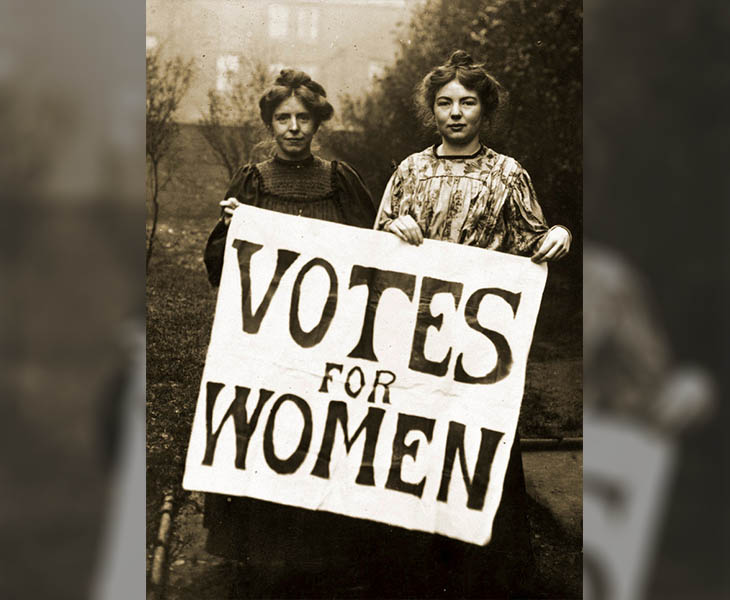
The true history of the International Women’s Day of struggle for rights has nothing to do with spring or delicate flowers. It began with the protests of garment workers in New York City and the demand for voting rights at the beginning of the 20th century. Over time, certain political regimes transformed this day into a celebration of “tenderness” to neutralize the political activism of women. In 2026, historians are calling for a return to these radical roots, honoring the human rights aspect of this significant date. Moving away from the “beauty and spring” format is a hallmark of a mature, democratic society. Women today are not asking for compliments; they are demanding real changes in legislation and social support systems.
- The demand for equal pay for equal work across all levels of management and industry.
- Countering stereotypes that limit women strictly to domestic duties and childcare roles.
- Ensuring safe urban spaces and implementing strict punishments for any form of harassment.
- Supporting female leadership in political, defense, and high-tech sectors of the nation.
- Ensuring access to high-quality healthcare and protecting the reproductive rights of every individual.
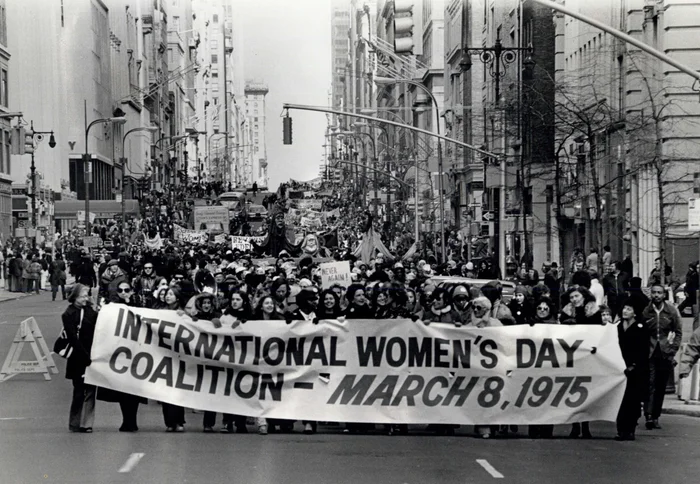
International organizations are currently releasing statistics showing that the gender income gap remains at 15 to 20 percent in various sectors. This means that women effectively work for free for a portion of the year compared to their male counterparts. Instead of candy or gifts, advocates suggest donating to funds that support survivors of violence. In major American cities, March 8 is now marked by mass educational lectures and free legal consultations. This helps women better understand their rights and the mechanisms available to protect them in court. Gradually, the focus is shifting from individual greetings to collective solidarity in solving global, structural problems.
Economic Indicators and the Gender Gap in Figures for 2026
An analysis of the global labor market shows that achieving legal equality brings significant financial benefits to the world economy. Implementing principles of inclusivity allows for the recruitment of talent that was previously restricted by employer bias. Professional communities in 2026 use this day to conduct gender balance audits within major corporations. The results of these audits often lead to high-profile lawsuits and the complete reformation of internal company policies. It is vital to understand that this struggle is about the fair distribution of resources and opportunities for everyone.
| Equality Indicator | Status in 2026 | Target Benchmark |
| Wage Gap in the US | 17 percent | 0 percent |
| Women on Boards of Directors | 28 percent | 50 percent |
| Time spent on unpaid labor | 2.5 times more | Equal distribution |
| Political Representation | 32 percent | 50/50 Parity |
According to data from international observers, full gender parity could add trillions of dollars to the global GDP. However, the pace of change remains too slow to achieve the desired result within the next few decades. This is precisely why March 8 remains a critically important date for drawing attention to these systemic obstacles. Many American brands in 2026 have abandoned “holiday discounts” for women, viewing them as patronizing and reductive. Instead, they are launching educational grants for girls in science, technology, engineering, and mathematics (STEM). This creates a foundation for the genuine independence of future generations of female professionals.
Why Shifting the Format of the Event is Essential for Progress
The discussion regarding the nature of March 8 in the United States aims to de-commercialize the public consciousness. A holiday format often contributes to turning the date into a mere social gathering, which distracts from the human rights objective. When this day is treated as a day of action, activists have more opportunities to conduct advocacy directly within labor collectives. This allows for the discussion of real working conditions, instances of discrimination, and ways to overcome them on-site. The professional format of the day emphasizes the contribution of women to the development of the state and the economy on an equal footing with men.
In 2026, many public figures are proposing to strictly refer to the date as Women’s Rights Day. This helps to clearly define the content of the event and filter out those looking for just another “spring party.” Changing the narrative automatically leads to a change in the culture of corporate communication and the content of public speeches by politicians. It is important that instead of aesthetic compliments, we hear about the number of cases filed for workplace discrimination. Only an honest dialogue about existing pain points and problems will help society move forward. Respect for a woman should be expressed not in a bouquet, but in the daily absence of sexism and contempt.
An original 8 March greeting in 2026 should be a statement of support for equality rather than a simple compliment. While some still look for beautiful 8 March greetings, the trend is moving toward postcards that feature historical facts. Funny 8 March pictures are being replaced by infographics showing the progress of women in tech. Sending 8 March cards now often includes a receipt for a donation made in the recipient’s name to a women’s shelter. When people say happy 8 March, they are increasingly referring to the celebration of the unbreakable bond of sisterhood. Modern 8 March postcards focus on the strength and resilience of the main characters of their own stories. A professional 8 March greeting in prose should highlight leadership and the pursuit of justice. Ultimately, 8 March is about the ongoing journey toward a world where every individual can thrive without barriers.
Earlier we wrote about How to originally congratulate a friend on 8 March: funny greetings and digital trends