 Frank Rondel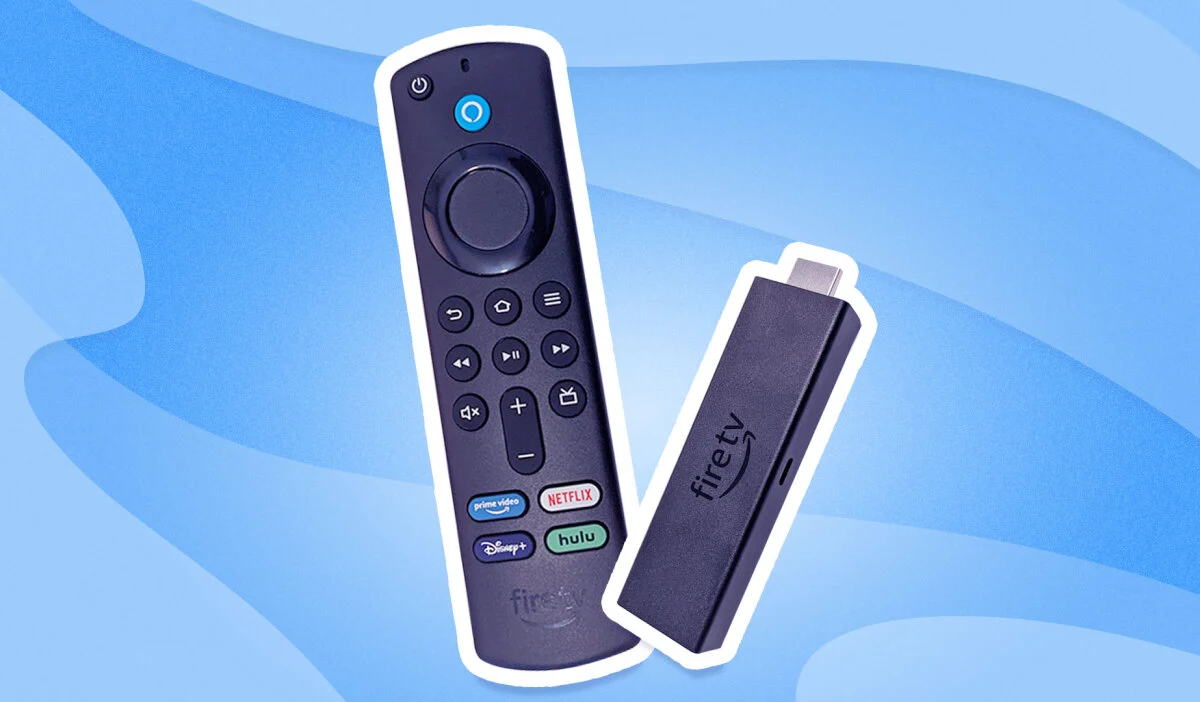
Amazon Fire TV overhaul marks the most significant redesign of the company’s television platform since its launch. In the United States, Amazon has begun the first rollout phase after announcing a rebuilt interface, a redesigned mobile app and the generative AI-powered Alexa+ system on 5 January. The update is led by the Fire TV Stick 4K Max, which becomes the first consumer device to receive the new software in February. Amazon positions this move as a response to changing viewing habits and growing frustration with content discovery. The company argues that users are overwhelmed by choice rather than lacking options. With more than three hundred million Fire TV devices worldwide, Amazon sees Fire TV as a central layer in the modern living room. The initial rollout in the US sets the direction for global expansion later in spring. As part of this shift, Fire TV is no longer framed as a set of apps, but as a unified operating system. This approach, reports customreceipt.com, reflects Amazon’s attempt to control how audiences find and consume video content across platforms.
Why Amazon rebuilt Fire TV around one problem
Amazon’s internal data and external research pointed to a single issue: time wasted choosing content. According to figures cited from Gracenote, households now spend an average of twelve minutes browsing before playback. This figure has risen steadily compared with previous years. Amazon concluded that interface complexity, not content volume, was the main barrier. Fire TV’s redesign therefore focuses on reducing friction during discovery. Instead of opening separate apps, users now interact with aggregated content spaces. Films, series, live channels, sport and news appear together. This structure aims to shorten decision time and increase viewing satisfaction. Engineers also rewrote major parts of the codebase to support this goal.
When the rollout starts and which devices come first
The rollout begins in February in the United States. The Fire TV Stick 4K Max is the first device to receive the update. Amazon selected this model due to its faster processor and Wi-Fi 6E support. These specifications allow the new architecture to run without performance loss. Later in spring, the update expands to Amazon smart TVs and partner brands. Panasonic, TCL and Hisense are included in this phase. Amazon uses this staged approach to limit technical risks. It also allows performance data to be collected before wider deployment.
Before listing supported devices, it is important to note how Amazon prioritised hardware readiness and network performance. The company aims to avoid negative user experiences during early adoption. The following list outlines the first wave of supported products.
• Fire TV Stick 4K Max, second generation
• Fire TV Stick 4K Plus
• Fire TV Omni Mini-LED televisions
After these devices, Amazon plans broader support across its TV ecosystem. This includes older models where hardware permits. Users with unsupported devices may not receive all AI features. Amazon has not confirmed end dates for legacy support. This creates uncertainty for long-term users.
How Alexa+ changes content discovery
Alexa+ represents a shift from command-based voice control to contextual interaction. Users can ask natural questions about genres, actors or moods. The system then delivers curated results across all installed services. Alexa+ also introduces scene-level navigation for supported Prime Video titles. Viewers can jump directly to specific moments. Amazon reports that Alexa+ usage has more than doubled compared with the previous version. This metric influenced the decision to integrate it across Fire TV. The assistant now acts as the primary interface for discovery.
Fire TV as a smart home control centre
Fire TV is no longer limited to video playback. Amazon positions it as a hub for connected home devices. A shortcut panel accessed via the Home button provides controls for sound, picture and smart home functions. Users can manage lighting, thermostats and Ring cameras without leaving content. This integration aligns with Amazon’s broader smart home strategy. The television becomes a dashboard rather than a passive screen. For users invested in Amazon’s ecosystem, this consolidation reduces device switching.
The rebuilt Fire TV mobile app
Alongside the TV update, Amazon relaunched its Fire TV mobile app. The app allows browsing, watchlist management and remote playback control. Amazon states that many viewers now discover content through social platforms and messaging. The app reflects this behaviour by separating discovery from the television screen. Users can send content directly to Fire TV. This supports more flexible viewing patterns. It also strengthens Amazon’s data collection on user preferences.
Ember Artline and pricing strategy
Amazon also introduced the Ember Artline, a lifestyle television designed to blend into interiors. It features a matte anti-glare display and motion sensors. When idle, it shows artwork or personal photos. Amazon added an AI tool that recommends art based on room photos. The television launches later in spring in the US, UK, Germany and Canada. Prices start at eight hundred ninety nine dollars for fifty five and sixty five inch models. This positions Artline above standard Fire TV models. Amazon targets design-conscious consumers with higher budgets.
Before summarising costs and availability, it is useful to compare how Amazon differentiates hardware tiers. The following overview explains the positioning of key devices.
Device focus: performance, AI features, smart home integration
Target users: mainstream streamers, smart home users, design-focused buyers
After this overview, it becomes clear that Amazon uses hardware to segment audiences. The Fire TV Stick 4K Max remains the core device. Artline serves as a premium extension. Pricing reflects this hierarchy. Amazon avoids competing directly with low-cost TV brands in this segment.
What the overhaul means for viewers and providers
For viewers, Fire TV becomes a single discovery layer. Content from multiple subscriptions appears in one place. This reduces app switching and search time. AI recommendations aim to improve relevance. For providers, visibility depends increasingly on Fire TV’s interface logic. Placement within aggregated feeds matters more than app branding. Amazon therefore strengthens its gatekeeper role. With the Fire TV Stick 4K Max as the entry point, Amazon deploys this control layer at scale.
Earlier we wrote about dreaming about the devil: psychological meaning and dream book interpretations.