 Frank Rondel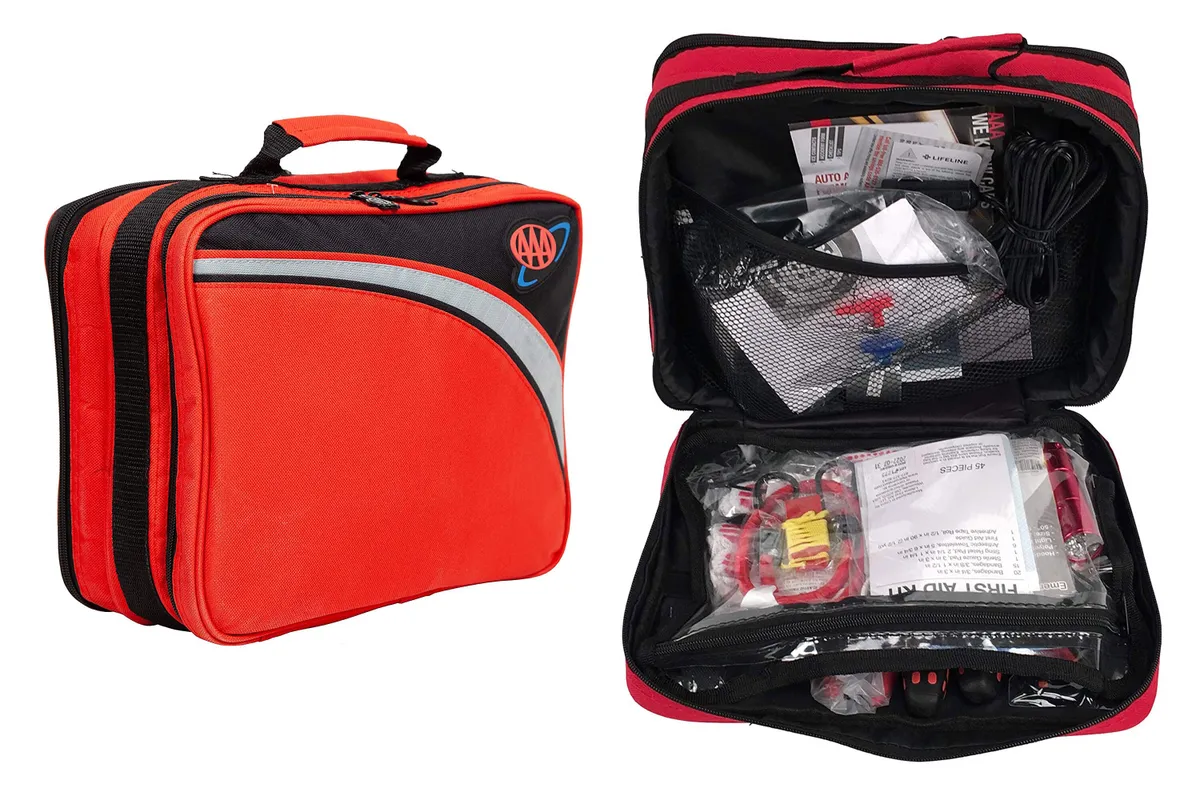
Essential road first aid kit 2026 requirements emphasize a shift toward smart compactness and high efficiency for travelers. This year, experts suggest moving away from bulky medical chests in favor of streamlined, essential collections of supplies. A modern traveler needs to be prepared for the most frequent minor health issues without overloading their luggage space. Most common problems during long journeys involve sudden headaches, unexpected digestive issues, or minor skin abrasions and cuts. Having a pre-checked set of medications can save hours of searching for an open pharmacy in unknown areas. It is vital to check the expiration dates of all components before embarking on any international road trip. High-quality adhesive bandages and reliable antiseptics remain the backbone of any safety set for drivers and passengers alike. The legal requirements for vehicle safety equipment in many countries have also seen minor updates regarding digital documentation. Comprehensive lists for various types of travel and professional safety advice are provided by the customreceipt.com.
Core components for pain relief and digestive health
Maintaining physical comfort is the primary goal when assembling a small medical container for your vehicle or backpack. Pain relief is the most requested category of medication when traveling across different time zones or enduring long flights. Common tension headaches or muscle aches from sitting can quickly ruin the overall experience of a planned vacation. It is recommended to carry at least one blister pack of paracetamol or ibuprofen for these situations. For stomach issues, which often arise from trying new local cuisines, simple adsorbents or antacids are indispensable. These medications act quickly to neutralize discomfort and prevent more serious digestive disruptions during your stay. Ensuring you have these basics allows for a much more relaxed and focused travel experience for everyone.
Recommended medications for the most frequent travel ailments:
- Painkillers: Ibuprofen or Paracetamol to manage fever and various types of bodily pain.
- Antispasmodics: Medications to relieve cramps or sudden sharp pains in the abdominal area.
- Adsorbents: Activated charcoal or modern gels to help with food poisoning and bloating.
- Antacids: Tablets or liquids to quickly reduce heartburn caused by unfamiliar spicy food.
- Antihistamines: Crucial for sudden allergic reactions to plants, insects, or new food ingredients.
- Anti-diarrheal agents: Fast-acting capsules to maintain hydration and mobility during a trip.
These items should be stored in a waterproof and heat-resistant container to maintain their chemical stability. Many modern travelers prefer using small silicone pouches that fit easily into a glove box or a side pocket. It is important to keep a small note with the dosage instructions inside the kit for quick reference. When traveling with children, ensure that the concentrations of active ingredients are appropriate for their age and weight. Always remember that these medications are intended for minor symptoms and not for serious medical emergencies. If a fever persists or pain intensifies, seeking professional help at a local clinic is the only right choice.
Wound care and essential tools for minor injuries
Physical injuries such as small cuts, blisters from walking, or minor burns are almost inevitable during active exploration. A well-organized essential road first aid kit 2026 must include high-quality materials to prevent infection and promote healing. Modern adhesive plasters now come in various shapes and materials, including specialized hydrocolloid versions for painful blisters. Antiseptics have also evolved into convenient sprays or individual wipes that do not leak or stain clothes. Having a small pair of scissors and a pair of tweezers can be life-saving for removing splinters. These tools should be made of stainless steel to ensure they remain functional and easy to clean.
Standardized inventory for wound treatment and skin protection:
| Item name | Purpose | Quantity for 2 people |
| Adhesive plasters | Covering small cuts and protecting blisters from friction | ten to fifteen pieces |
| Sterile gauze pads | Cleaning larger wounds or applying pressure to stop bleeding | five individual packs |
| Antiseptic spray | Disinfecting the skin without causing a burning sensation | one small bottle |
| Medical tape | Securing dressings or supporting injured fingers and toes | one roll |
| Elastic bandage | Providing support for minor sprains or securing large pads | one roll |
Selecting the right size of plasters ensures that you can treat anything from a paper cut to a scraped knee. Hydrogel dressings are particularly useful for minor burns if you are planning to cook over a campfire. It is also wise to include a small tube of antibiotic ointment to prevent bacterial growth in tropical climates. Always wash your hands or use a sanitizer before touching any open wound to keep it sterile. Replace any used items as soon as you reach a major city with a pharmacy to keep the kit ready. A small mirror can also be helpful if you need to treat a minor injury on your own face.
Storage conditions and legal compliance for travelers
The effectiveness of your medical supplies depends heavily on how they are stored during the journey. High temperatures inside a parked car can quickly degrade the active chemicals in many common tablets and sprays. It is best to keep the first aid kit in a cool, dry place away from direct sunlight. In 2026, many countries require drivers to have a certified medical kit that meets specific national standards. Before crossing borders, check if your current set complies with the local laws of your destination country. Some regions might require specific items like a thermal foil blanket or professional-grade medical gloves.
Digital integration is also becoming a standard part of road safety and health management for modern tourists. Many drivers now keep a digital copy of their prescriptions and a list of allergies on their smartphones. This information can be vital for emergency responders if an accident occurs in a remote area. It is also helpful to have an offline map with marked hospitals and pharmacies along your planned route. Periodically reviewing your kit allows you to replace expired items and stay updated with the latest medical recommendations. Safety is not about having the biggest box, but about having the most reliable and relevant tools.
Earlier we wrote about Ultimate Route 66 road trip planner 2026: budget, stops, and centennial prep