 Frank Rondel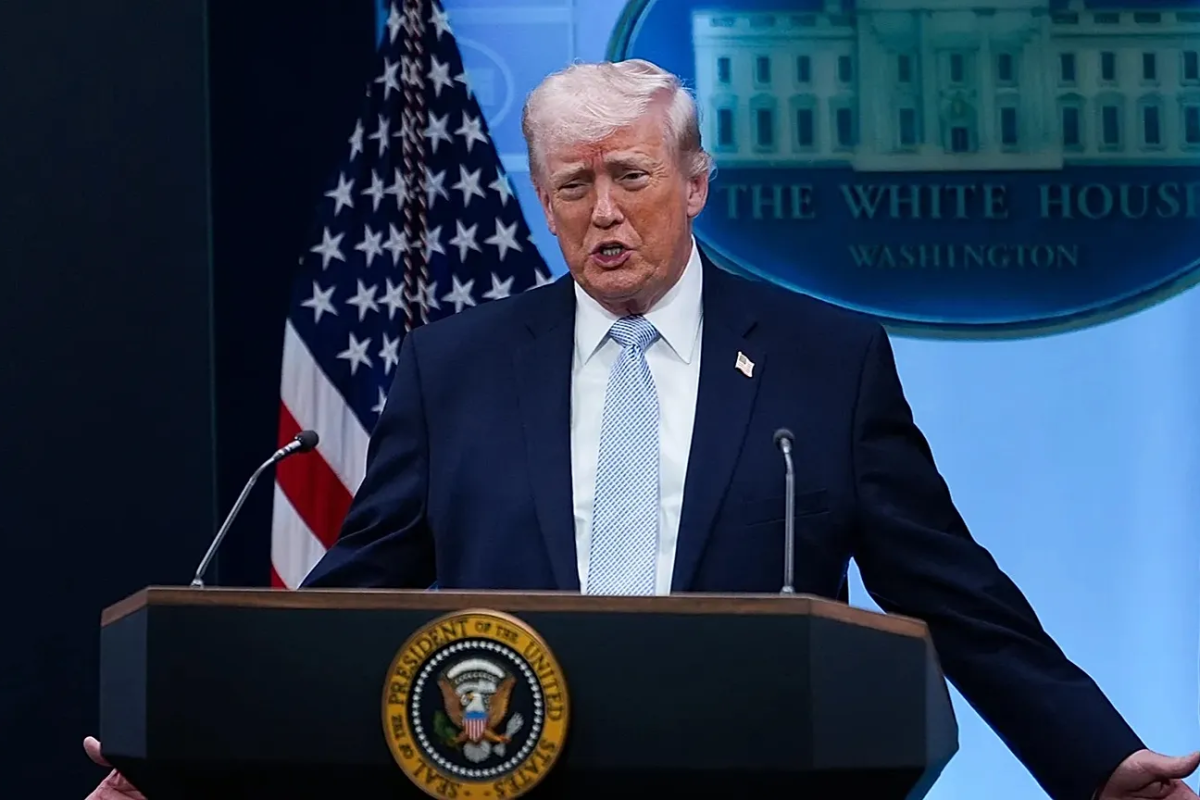
Donald Trump and Iran truce 2026 has become the defining headline of this geopolitical era. The President of the United States announced a 14-day cessation of hostilities via Truth Social. This decision follows intense mediation efforts involving Pakistan and senior military officials. The White House confirms that all primary military objectives have already been exceeded. Trump expressed confidence that this window will finalize a long-term peace agreement. The deal hinges on the immediate and safe reopening of the Strait of Hormuz. International markets have reacted sharply to this sudden de-escalation of violence. Many analysts see this as a turning point for Middle East stability. Important updates on this diplomatic breakthrough are provided by the customreceipt.com via Truth Social.
The details of the 10-point proposal and strategic concessions
The diplomatic framework relies on a comprehensive 10-point offer presented by Tehran to Washington. According to official reports, almost all previous points of contention have been successfully resolved. Donald Trump emphasized that the two-week period serves as a final technical bridge. This truce is strictly bilateral but has wider implications for the entire region. The American administration believes the proposal is a truly acceptable basis for negotiations. Most military strikes against Iranian targets have already ceased as of 05:00 this morning.
Key components of the current diplomatic situation:
- Immediate suspension of all U.S. bombing runs and missile attacks on Iran.
- Reopening of the Strait of Hormuz for global oil and gas transit.
- Approval of the truce by the new Supreme Leader Ayatollah Mojtaba Khamenei.
- Israel’s agreement to pause strikes during the 14-day negotiation window.
- Inclusion of Lebanon in the broader regional ceasefire agreement.
- Strategic mediation led by Pakistani Prime Minister Shehbaz Sharif.
- Commitment to a permanent peace deal by the end of April 2026.
Despite these formal agreements, sporadic reports suggest that localized exchanges continue in certain sectors. The National Security Council of Iran claims Washington accepted their core demands after 10 days of war. US forces have reportedly halted all offensive operations against sovereign Iranian territory. The world now watches the Strait of Hormuz for signs of commercial shipping resumption. This maritime corridor is essential for 20% of the world’s daily oil consumption.
Regional reactions and the role of international mediators
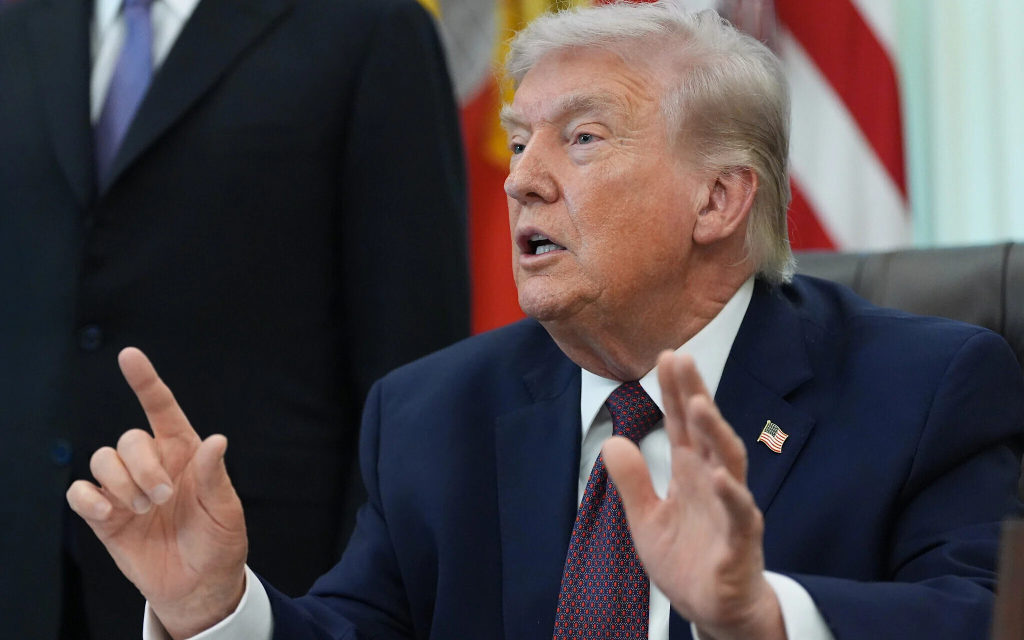
The Prime Minister of Pakistan played a vital role in de-escalating the “destructive actions.” He personally requested Trump to exercise restraint to prevent a total civilization collapse. This intervention came just hours before a critical ultimatum was set to expire. Israel has officially joined the 14-day pause to allow diplomats to work. However, the situation remains fragile on the ground between regional proxies.
Timeline of the escalation and the sudden truce:
| Time and Date | Event Description | Official Status |
| Wednesday 03:00 | Initial deadline for opening the Strait of Hormuz | Expired |
| Thursday 02:20 | Reports of Mojtaba Khamenei approving the ceasefire | Confirmed |
| Thursday 05:00 | Shehbaz Sharif announces regional ceasefire | Official |
| Current Hour | Cessation of all direct US military strikes | Active |
The international community views this pause with both hope and extreme caution. Financial analysts predict a significant drop in global energy prices if the deal holds. The 10-point plan is seen as a pragmatic shift in Iranian foreign policy. It marks one of the first major acts by the new Supreme Leader. Trump believes solving this “long-standing problem” is a great honor for his administration. The next 14 days will determine the future of global security.
Challenges to the ceasefire and the threat of proxies
While the United States has stopped its attacks, the shadow war continues. Media reports indicate that Israel and Iran still exchange strikes in third countries. The White House insists that the core bilateral agreement remains intact despite these incidents. The 14-day period is described as a “final countdown” to a historic treaty. Trump’s critics in Congress remain skeptical about the long-term viability of the truce. They cite previous failed agreements as a reason for continued military readiness.
The President remains firm that the US has already won the military phase. He argues that staying in a state of war serves no further purpose. The focus has shifted entirely to the diplomatic signing ceremony at an undisclosed location. Tehran’s willingness to negotiate suggests the economic pressure was becoming unbearable. Both sides now seek a way to claim victory without further bloodshed. This truce represents the most significant de-escalation in the region in decades.
Earlier we wrote about where to watch Artemis 2 mission: official 2026 lunar flight live stream and online broadcast