 Frank Rondel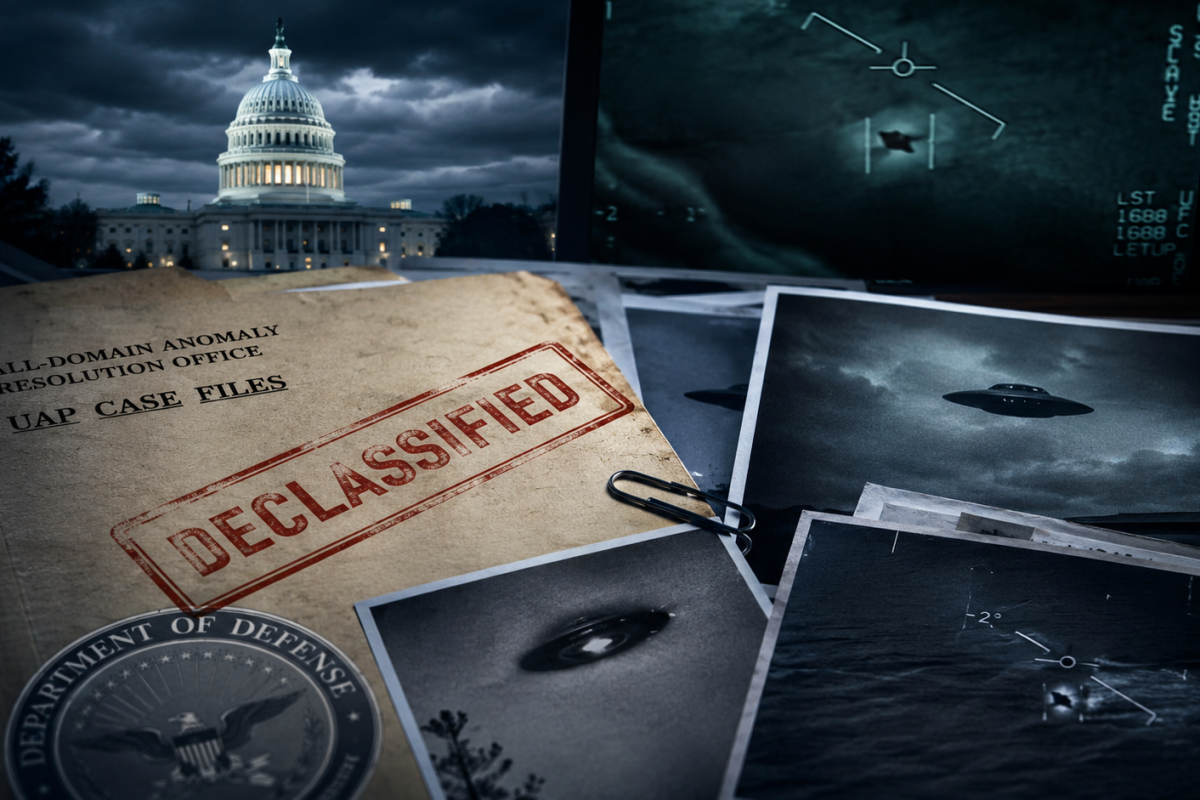
Pentagon UFO files are once again dominating headlines after the U.S. Department of Defense launched a public archive containing newly declassified records. The release includes documents, photos, videos, and investigations tied to unidentified flying objects dating back to the 1940s. Officials confirmed more files will appear gradually over the coming months. The decision follows President Donald Trump’s directive demanding broader transparency around UAPs, also known as unidentified anomalous phenomena. As noted by customreceipt.com, the topic has already triggered fresh debate among scientists, lawmakers, and conspiracy researchers.
The Pentagon stated that several materials published Friday had never been available to the public before. Many of the records were previously reviewed internally by the All-domain Anomaly Resolution Office, known as AARO. While officials admitted some cases remain unresolved, investigators said there is still no evidence linking the incidents to extraterrestrial life.
Why the Pentagon released UFO files now
The latest disclosure reflects growing pressure from Congress and the public. For years, lawmakers demanded greater access to classified UAP investigations. Public interest also intensified after military pilots described encounters with unexplained aerial objects.
Several former intelligence officers argued that excessive secrecy fueled conspiracy theories rather than public trust.
According to Pentagon officials, the new archive centralizes information from multiple federal agencies. Previously, researchers needed to file separate Freedom of Information Act requests. Now, historical cases can be reviewed instantly online.
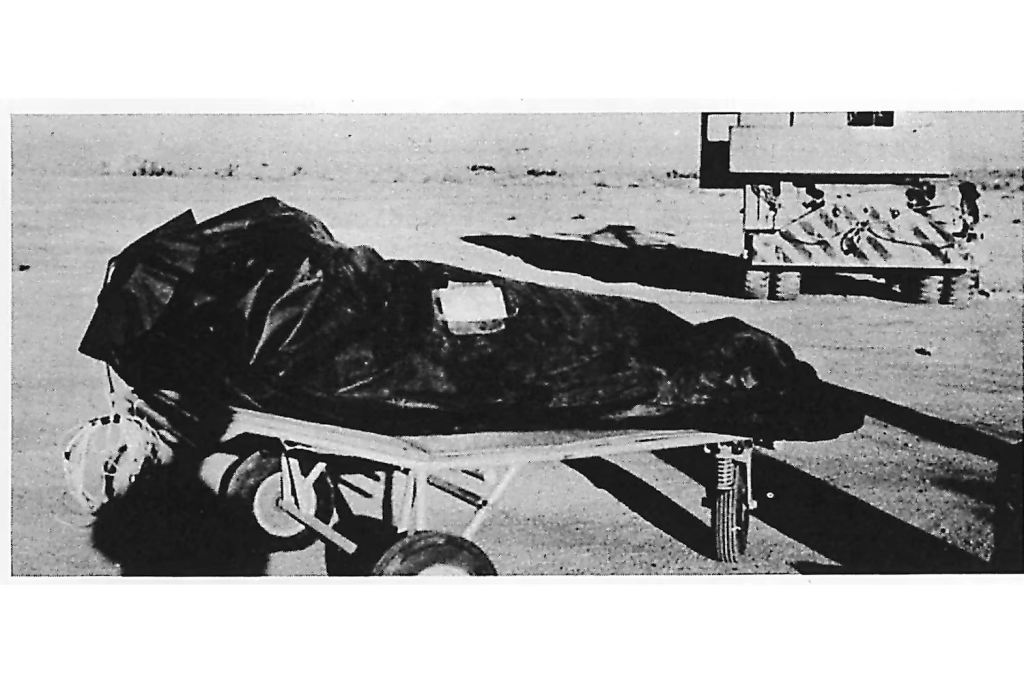
Among the most discussed documents are files connected to the famous 1947 Roswell incident in New Mexico. The Pentagon included previously archived Air Force reports that attempted to explain the event. Officials maintain the debris likely came from classified military surveillance projects.
“The American people can now access the federal government’s declassified UAP files instantly,” the Pentagon said in an official statement.
The agency also confirmed that some documents remain partially redacted for national security reasons. Sensitive military technologies and witness identities were removed from certain files.
Historic UFO cases included in the archive
The archive spans nearly eight decades of investigations. Some reports involve military radar anomalies. Others describe strange aerial sightings near nuclear facilities or naval operations.
Below are several major incidents already drawing attention from researchers and online communities:
| Year | Incident | Location | Pentagon Position |
|---|---|---|---|
| 1947 | Roswell crash | New Mexico | Likely military debris |
| 1952 | Washington UFO sightings | Washington, D.C. | Unresolved aerial events |
| 2004 | USS Nimitz encounter | Pacific Ocean | No confirmed explanation |
| 2015 | Navy East Coast sightings | Atlantic Ocean | Under investigation |
| 2023 | Congressional UAP hearings | Washington, D.C. | Transparency initiative |
The inclusion of military videos may generate the strongest reaction. Several clips previously leaked online now appear in official government format. Analysts expect independent researchers to examine the footage frame by frame.
Some defense experts believe the archive may also help reduce misinformation spreading across social media platforms.
What investigators say about extraterrestrial claims
Despite renewed excitement, Pentagon investigators continue rejecting claims of confirmed alien activity. Officials insist no reviewed case has produced evidence of extraterrestrial technology.
AARO specialists spent recent years reviewing classified military records, pilot testimonies, and sensor data. Their public reports repeatedly reached similar conclusions. Most incidents were eventually linked to surveillance systems, drones, balloons, or atmospheric effects.
Still, several cases remain unresolved due to limited evidence. Investigators admitted some military recordings lack sufficient data for definitive explanations. That uncertainty continues fueling speculation online.
The Pentagon also warned the public about misinformation surrounding UFO topics. Officials said edited videos and fabricated witness accounts often distort real investigations.
Here are several reasons why many UFO cases remain difficult to explain:
- Poor image quality in military footage
- Limited radar tracking information
- Classified technology restrictions
- Human perception errors during fast events
- Lack of physical evidence
After reviewing the released files, some aviation analysts argued the archive actually supports conventional explanations more than alien theories. Others believe additional classified material still exists beyond public access.
Congress pushes for deeper transparency
Congressional hearings played a major role in forcing broader disclosure. Over the last few years, lawmakers questioned military officials about secret programs and unexplained aerial incidents.
Several members of Congress accused defense agencies of excessive secrecy. Bipartisan committees demanded more cooperation with civilian researchers and journalists.
“Transparency matters because public trust matters,” one congressional investigator said during previous UAP hearings.
The political dimension surrounding UFO investigations has also grown. Some lawmakers view the issue as a national security concern rather than science fiction. Unknown aircraft near military bases create operational risks regardless of their origin.
The Pentagon’s new online archive may reduce pressure temporarily. However, transparency advocates already demand additional classified records. Some former officials claim hidden evidence remains outside public databases.
Security analysts note that geopolitical tensions also shape the discussion. Advanced foreign drones could explain certain unexplained encounters.
Public fascination with UFOs continues growing
Interest in UFOs has exploded during the digital era. Streaming documentaries, podcasts, and viral videos transformed once-niche theories into mainstream discussions. Search traffic surrounding UAP investigations surged again after Friday’s announcement.
Online communities immediately began analyzing newly released documents. Social media users compared military photographs and radar descriptions within hours of publication.
Several universities are also studying the cultural impact of UFO disclosures. Researchers say public fascination often reflects broader anxieties about technology, secrecy, and government trust.
At the same time, skeptics warn against sensationalism. Many scientists argue extraordinary claims still require extraordinary evidence. So far, Pentagon investigations have not changed mainstream scientific consensus.
The department confirmed additional records will appear “on a rolling basis.” That means the archive could expand significantly during 2026.
For now, the release marks one of the largest government transparency efforts ever tied to UFO investigations in the United States.
Earlier we wrote about The Sinking City 2 Gameplay Reveal Shows Frogwares Turning Fully Toward Survival Horror