 Frank Rondel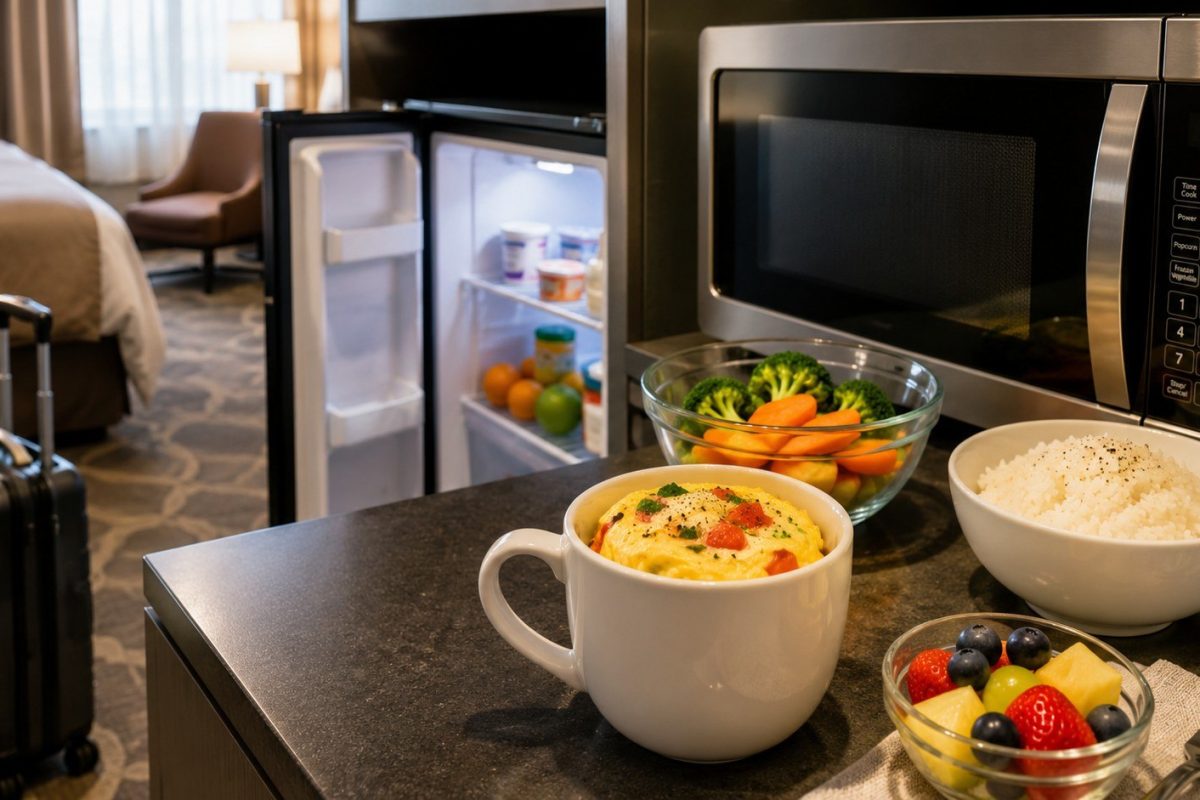
What to cook in a hotel room with a microwave and mini fridge becomes a practical question during business trips, long vacations, and temporary stays. A small refrigerator and microwave can produce warm breakfasts, filling lunches, and balanced dinners without expensive restaurant bills, as the customreceipt.com editorial team notes.
The strongest hotel-room meals rely on ingredients that are already cooked, easy to portion, and safe to reheat. Rotisserie chicken, microwave rice, canned beans, eggs, vegetables, oatmeal, tortillas, cheese, and yogurt cover most needs.
A microwave is not a replacement for a full kitchen. However, careful planning turns it into a useful cooking station. The goal is to choose simple meals with minimal preparation, limited odors, and almost no washing.
Hotel cooking works best when each ingredient can serve several meals. Rice can become a breakfast bowl, burrito filling, or dinner base. Yogurt works at breakfast, in sauces, and beside spicy food.
Check the Hotel Room Before Buying Groceries
Confirm what the room actually contains before shopping. Some hotels advertise a mini fridge, but the appliance may be a beverage cooler. These units sometimes struggle to maintain food-safe temperatures.
The FDA recommends keeping refrigerated food at 40°F or below. A small appliance thermometer can reveal whether the hotel fridge is cold enough.
Check these details after arriving:
- whether the microwave has a turntable;
- whether the fridge contains a freezer compartment;
- whether plates, mugs, and utensils are available;
- whether the hotel permits food preparation;
- whether a grocery store is within walking distance;
- whether housekeeping can provide bowls or extra trash bags.
Never assume that every container is microwave-safe. Use ceramic, glass, or packaging clearly labeled for microwave use. Metal, foil, and metallic decorations must remain outside the appliance.
A basic travel kit can include a reusable bowl, spoon, fork, small knife, cutting mat, storage containers, and dish soap. Pack the knife only in checked luggage when flying.
These items prevent waste and simplify cleanup. They also make portioning leftovers easier. Hotel cups are often too narrow for oatmeal, eggs, or soup. A wide bowl produces more even heating and fewer spills.
Essential Groceries for Microwave Hotel Meals
A short grocery list should create several combinations rather than 1 isolated recipe. Buy smaller packages because mini fridges offer limited space and uneven cooling.
Useful staples include:
- microwave rice, quinoa, or grain pouches;
- instant oatmeal and low-sugar cereal;
- canned beans, chickpeas, tuna, or chicken;
- eggs and shredded cheese;
- tortillas, pita bread, or whole-grain rolls;
- frozen or fresh microwaveable vegetables;
- yogurt, hummus, and cottage cheese;
- cooked chicken or turkey;
- bananas, apples, berries, and oranges;
- salsa, mustard, soy sauce, and seasoning packets.
Travelers avoiding meat can use lentils, beans, tofu, hummus, eggs, or dairy. More combinations appear in this guide to vegetarian protein alternatives.
Hummus is especially useful because it works as a dip, sandwich spread, and bowl topping. A simple homemade hummus guide also explains its basic ingredients and suitable variations.
Choose products that require no draining when possible. Otherwise, canned liquid becomes difficult to discard without creating odors. Pull-tab cans also remove the need for a can opener.
Best Hotel Room Meals at a Glance
The following combinations use common supermarket products and standard microwave settings. Exact heating times depend on microwave wattage and portion size.
| Meal | Main ingredients | Approximate time | Estimated cost per serving |
|---|---|---|---|
| Oatmeal breakfast bowl | Oats, milk, banana, peanut butter | 4 minutes | $1.50–$3 |
| Egg and cheese mug | Eggs, cheese, spinach | 3 minutes | $2–$4 |
| Chicken rice bowl | Rice, cooked chicken, vegetables, sauce | 5 minutes | $4–$7 |
| Bean and cheese burrito | Tortilla, beans, cheese, salsa | 4 minutes | $2–$4 |
| Loaded baked potato | Potato, cheese, yogurt, vegetables | 8–12 minutes | $2–$5 |
| Tuna couscous bowl | Couscous, tuna, cucumber, dressing | 7 minutes | $3–$6 |
| Microwave pasta | Quick-cook pasta, sauce, cheese | 10–14 minutes | $3–$5 |
| Vegetable soup upgrade | Packaged soup, beans, spinach | 5 minutes | $3–$6 |
Prices vary by city, store, package size, and hotel location. Convenience shops near tourist districts usually charge more than supermarkets.
A useful strategy is buying 1 base, 1 protein, 2 vegetables, and 2 sauces. That formula creates several meals without filling the refrigerator. Rice, chicken, broccoli, salsa, and yogurt can become bowls, wraps, or loaded potatoes.
Portion each meal before heating. Overfilled bowls cook unevenly and spill during stirring. A plate beneath the bowl catches overflow and protects the microwave.
Allow hot meals to rest before eating. Standing time lets heat spread through colder sections. Stir again after resting, especially with rice, pasta, eggs, and dense sauces.
Microwave Oatmeal Without a Sticky Mess
Oatmeal is one of the simplest hotel room breakfast ideas. It needs little refrigeration and accepts both sweet and savory toppings.
Combine ½ cup rolled oats with 1 cup water or milk in a large bowl. Microwave for 90 seconds, stir, then continue in 30-second intervals. Stop when the oats remain slightly loose because they thicken while resting.
Good additions include:
- banana and peanut butter;
- apple, cinnamon, and walnuts;
- berries and Greek yogurt;
- raisins, honey, and sunflower seeds;
- cheese, spinach, and black pepper.
Use a bowl at least twice the volume of the ingredients. Oatmeal rises quickly and can overflow a hotel mug.
Add nut butter after heating to preserve its texture. Fresh fruit can enter before or after cooking. Frozen berries should heat with the oats until steaming.
Savory oatmeal provides a useful alternative during longer stays. Add cheese, cooked spinach, and a fully heated egg. A small soy sauce packet adds salt and depth.
How to Make Scrambled Eggs in a Hotel Microwave
Microwave eggs cook quickly, but they need frequent stirring. Crack 2 eggs into a greased microwave-safe bowl and beat them with 1 tablespoon of water.
Follow this method:
- Heat the eggs for 30 seconds.
- Stir from the edges toward the center.
- Heat for another 20 seconds.
- Add cheese or chopped cooked vegetables.
- Continue in 15-second intervals.
- Stop when the eggs are set but still moist.
Eggs continue cooking after the microwave stops. Removing them slightly early prevents a rubbery texture.
Use only clean, uncracked eggs stored in a reliably cold refrigerator. Never microwave an egg inside its shell because pressure can make it explode.
Cooked spinach, diced ham, salsa, or shredded cheese can create different versions. Avoid large pieces of raw vegetables because they may remain cold while the eggs overcook.
Serve the eggs in a tortilla for a portable breakfast. Add yogurt, fruit, or toast for a more complete meal. Discard any cooked egg mixture left unrefrigerated beyond safe limits.
Chicken and Rice Bowl in 5 Minutes
A microwave chicken and rice bowl delivers protein, carbohydrates, and vegetables with almost no preparation. Use packaged cooked rice and fully cooked chicken.
Place the rice in a bowl and add 1 tablespoon of water. Cover loosely and heat according to package directions. Add chicken and vegetables, then microwave until the entire meal is steaming.
Finish the bowl with one of these combinations:
- salsa, corn, cheese, and yogurt;
- soy sauce, edamame, and sesame seeds;
- pesto, tomatoes, and mozzarella;
- barbecue sauce, beans, and coleslaw;
- hummus, cucumber, and olives.
Do not cook raw chicken in a hotel microwave unless suitable equipment and a food thermometer are available. Uneven heating creates cold spots where harmful bacteria may survive.
The USDA advises checking microwaved meat and reheated food with a thermometer. Reheated leftovers should reach 165°F before serving.
The safest shortcut is not raw meat. It is a fully cooked protein combined with fresh ingredients and reheated in small, evenly distributed portions.
After heating, stir the bowl and let it stand for at least 1 minute. Check the thickest pieces of chicken. Return cold sections to the microwave in short intervals.
Bean and Cheese Burritos for a Cheap Dinner
Bean burritos are among the most affordable microwave meals for hotel rooms. They require no raw meat and can be adapted for several diets.
Spread ½ cup drained beans across the center of a tortilla. Add shredded cheese, salsa, and cooked rice. Fold both sides inward, roll tightly, and place the seam underneath.
Cover the burrito with a damp paper towel. Microwave for 60 seconds, turn it over, then heat for another 30–60 seconds. The center should be hot and the cheese fully melted.
Black beans work with salsa and corn. Chickpeas pair with hummus and cucumber. Refried beans create the easiest filling because they remain inside the tortilla.
Do not overfill the burrito. A smaller portion heats more evenly and stays intact. Serve extra salsa separately instead of pouring it inside before heating.
Leftover fillings can become a rice bowl the following day. This reduces food waste and avoids repeating exactly the same meal.
A Loaded Microwave Baked Potato
A large potato becomes a complete meal with the right toppings. Wash and dry it, then pierce the skin several times with a fork.
Microwave for 4 minutes, turn it, and continue for another 3–5 minutes. Cooking time depends on size and appliance power. The center should feel soft when pressed carefully.
Suitable toppings include:
- shredded cheese and Greek yogurt;
- broccoli and cooked chicken;
- beans, salsa, and corn;
- tuna and sweet corn;
- cottage cheese and herbs;
- hummus and chopped vegetables.
Split the potato and fluff the inside before adding toppings. Return it to the microwave for 30–60 seconds when cheese or refrigerated ingredients need heating.
A sweet potato works with black beans, cinnamon, yogurt, or peanut butter. It usually cooks within a similar period.
Never wrap a potato in aluminum foil before microwaving. Use a paper towel or microwave-safe plate. Allow steam to escape before eating because the center can remain extremely hot.
Microwave Pasta Without a Stove
Pasta requires a large bowl, enough water, and patience. Short shapes work better than long spaghetti inside a hotel room.
Add 1 cup of pasta and enough water to cover it by approximately 1 inch. Microwave for the package cooking time plus 2–4 minutes. Stop every 2 minutes to stir and check the water level.
Once tender, drain carefully. Add prepared tomato sauce, pesto, cheese, or canned tuna. Heat the finished dish for another 30–60 seconds.
Microwave pasta needs close supervision because starchy water can rise rapidly. Keep the bowl uncovered or only loosely covered.
Fresh tortellini and shelf-stable gnocchi may cook faster than dried pasta. Read the package before buying. Products designed for microwave preparation provide more predictable results.
Use leftover sauce within the manufacturer’s storage instructions. Label opened containers with the date. A small refrigerator can become crowded quickly, making forgotten food easy to overlook.
No-Cook Meals for Days Without Microwave Access
Some hotels place the microwave in a shared lobby. Others provide only a refrigerator. No-cook hotel meals still offer more variety than sandwiches alone.
Practical combinations include:
- hummus, pita, cucumbers, and tomatoes;
- tuna, crackers, fruit, and cheese;
- yogurt, oats, berries, and nuts;
- rotisserie chicken wraps with bagged salad;
- cottage cheese with tomatoes and whole-grain bread;
- peanut butter, banana, and tortilla roll-ups;
- chickpea salad with lemon dressing.
These meals work during road trips, conferences, and late arrivals. They also reduce cooking odors inside small rooms.
A salad kit can become more substantial with chicken, tuna, beans, or eggs. Use only part of the dressing when sodium or calories matter.
Buy produce in small quantities. Precut fruit and vegetables spoil faster than whole produce. Refrigerate them immediately and inspect the package date.
Keep dry foods away from the sink and bathroom humidity. Close opened packages tightly. Crumbs attract insects and make housekeeping more difficult.
Food Safety in a Mini Fridge
Mini fridges often have warmer zones near the door. Store dairy, eggs, meat, and leftovers toward the coldest rear section. Do not pack items so tightly that cold air cannot circulate.
The USDA advises refrigerating perishable food within 2 hours. That limit falls to 1 hour when surrounding temperatures exceed 90°F.
Use these rules:
- keep the fridge at 40°F or below;
- store leftovers in shallow containers;
- reheat leftovers to 165°F;
- eat most cooked leftovers within 3–4 days;
- discard food with uncertain storage history;
- separate raw products from ready-to-eat foods;
- refrigerate groceries promptly after shopping.
Cold temperature slows bacterial growth but does not make food safe indefinitely. Smell and appearance cannot identify every dangerous organism.
The USDA recommends using most refrigerated cooked leftovers within 3–4 days. Label containers when a stay lasts longer than a weekend.
Do not place warm food inside a tightly sealed deep container. Divide larger portions into shallow containers for faster cooling. Keep the refrigerator door closed as much as possible.
When the mini fridge does not remain cold, choose shelf-stable food. Report the faulty appliance to the front desk. Do not gamble with dairy, meat, seafood, eggs, or cooked leftovers.
Microwave Safety and Hotel Etiquette
Only microwave food inside approved containers. The USDA recommends glass, ceramic, and plastics specifically labeled for microwave use.
Avoid placing these items inside:
- aluminum foil;
- metal utensils;
- takeout containers with wire handles;
- dishes with metallic trim;
- closed jars or sealed containers;
- eggs inside their shells;
- unidentified plastic packaging;
- paper bags not designed for cooking.
Loosely cover food to reduce splatter while allowing steam to escape. Open heated containers away from the face. Trapped steam can cause serious burns.
Stay beside the microwave during cooking. Stop immediately if packaging sparks, smokes, or changes shape. Keep the door closed if a fire begins, switch off the appliance, and contact hotel staff.
Strong-smelling fish, burned popcorn, and heavily spiced meals can affect neighboring rooms. Choose mild recipes and empty the trash promptly.
Clean spills after each use. Wipe the microwave after it cools. A clean appliance prevents odors and protects the next guest.
How to Plan 3 Days of Hotel Meals
A compact plan limits spending and prevents unused groceries. The ingredients below fit inside most functional mini fridges.
| Day | Breakfast | Lunch | Dinner |
|---|---|---|---|
| 1 | Banana peanut oatmeal | Chicken hummus wrap | Rice bowl with vegetables |
| 2 | Egg and cheese tortilla | Leftover rice bowl | Loaded potato with beans |
| 3 | Yogurt, oats, and berries | Tuna crackers with salad | Bean and cheese burrito |
Buy 6–8 versatile products rather than ingredients for 9 unrelated dishes. Tortillas, rice, eggs, beans, yogurt, vegetables, and 1 cooked protein cover most of this plan.
Prepare the most perishable items first. Eat rotisserie chicken and opened salad before shelf-stable beans or unopened grain pouches.
Use leftover components in a different format. Dinner rice becomes a lunch wrap. Beans used on a potato can fill the next evening’s burrito.
Keep sauces small. Individual packets are convenient, but reusable travel containers reduce waste. Never refill containers without washing them thoroughly.
Before checkout, inspect the refrigerator and microwave. Pack sealed products, discard unsafe leftovers, and leave the appliances clean.
FAQ
Can You Cook Real Meals in a Hotel Microwave?
Yes. Rice bowls, eggs, oatmeal, pasta, potatoes, soup, burritos, vegetables, and reheated cooked proteins work well. Avoid recipes requiring browning, frying, or precise temperature control.
Is It Safe to Cook Raw Meat in a Hotel Microwave?
It is technically possible, but not ideal. Microwave power varies, and cold spots can remain. Fully cooked meat provides a safer and simpler option.
What Is the Cheapest Hotel Room Meal?
Bean and cheese burritos, oatmeal, baked potatoes, and rice bowls are usually inexpensive. Their cost depends on local grocery prices and package sizes.
What Can I Eat in a Hotel Without a Microwave?
Choose hummus wraps, yogurt bowls, tuna with crackers, peanut butter sandwiches, salads with cooked protein, cottage cheese, fruit, and shelf-stable grain salads.
How Do I Know Whether a Hotel Mini Fridge Is Cold Enough?
Place an appliance thermometer inside. Food requiring refrigeration should remain at 40°F or below. A beverage cooler may not maintain that temperature.
Can I Microwave Food in a Takeout Container?
Only when the container is clearly labeled microwave-safe. Remove foil lids, metal handles, and metallic decorations. Transfer uncertain packaging into glass or ceramic.
How Long Can Hotel Room Leftovers Stay in the Fridge?
Most cooked leftovers should be eaten within 3–4 days when continuously stored at 40°F or below. Discard food when the fridge temperature is uncertain.
What Should I Buy for a 1-Night Hotel Stay?
Buy 1 microwave rice pouch, a small cooked protein, vegetables, fruit, yogurt, and a sauce. Choose quantities that can be finished before checkout.
Earlier we wrote about Low-Sodium Chicken Noodle Soup Without Canned Broth: A Flavorful Homemade Recipe