 Frank Rondel
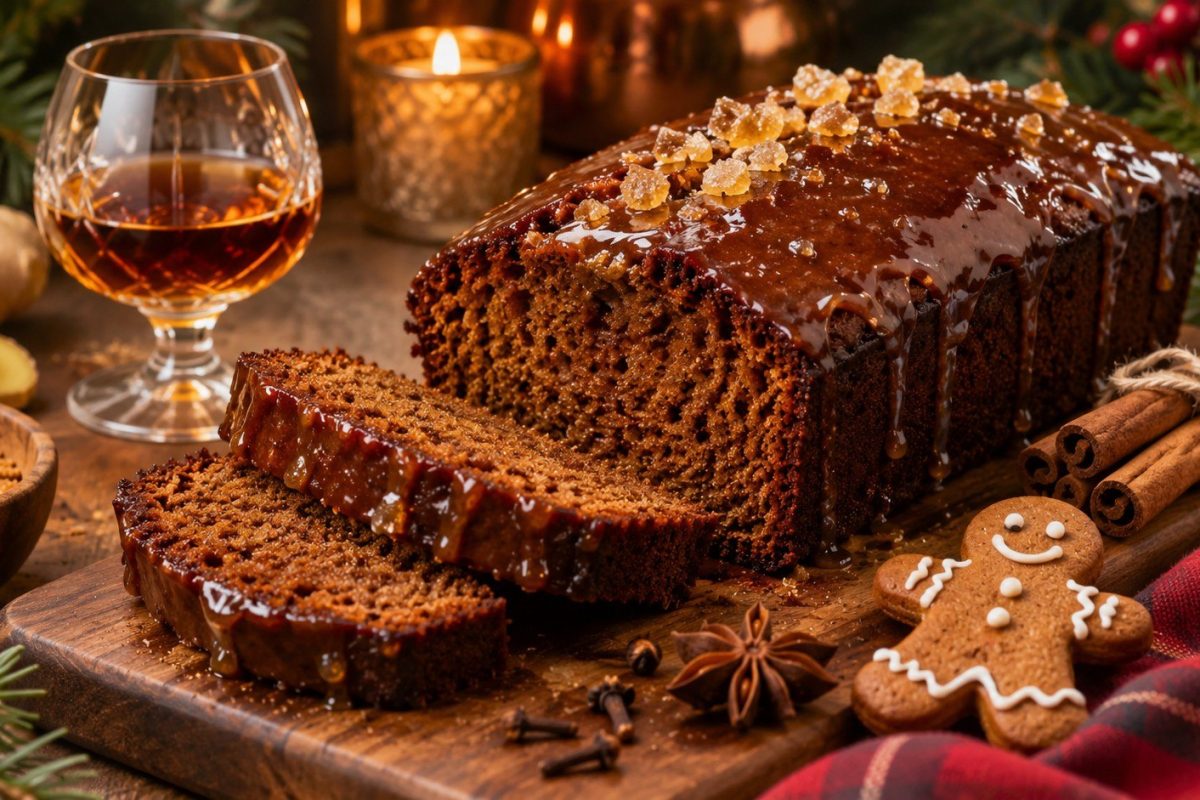
Drunken gingerbread combines the familiar warmth of Christmas cookies with a distinctly grown-up finishing touch. Molasses, brown sugar, ginger, and cinnamon create a rich, fragrant dough, while a smooth bourbon glaze adds depth. The result is a tender-centered cookie with lightly crisp edges and a festive appearance. Making this holiday dessert at home requires ordinary baking ingredients and a little patience, as customreceipt.com explains.
What Is Drunken Gingerbread and Why Is It Different From Regular Gingerbread?
Traditional gingerbread relies on a recognizable combination of ginger, molasses, warm spices, and butter. Its texture varies considerably, from crisp gingerbread men to soft, almost cake-like cookies.
Drunken gingerbread introduces another element: alcohol, usually bourbon, whiskey, or dark rum. The liquor can be incorporated into the dough, added to the icing, or used in both components. Its purpose is not simply to make the dessert alcoholic. Bourbon contributes notes of vanilla, caramel, and oak that complement the molasses.
For this homemade version, bourbon goes into the glaze rather than the dough. This approach makes the flavor easier to control and keeps the basic cookie recipe straightforward.
The cookies should taste primarily of ginger and warm spices. The bourbon provides an aromatic finish without overwhelming the familiar Christmas flavors.
The best drunken gingerbread balances sweetness, spice, and the distinctive warmth of bourbon. Too much liquor can overwhelm the cookies and prevent the icing from setting properly.
This dessert also offers an alternative to conventional Christmas sugar cookies. It looks attractive on a holiday platter and pairs naturally with coffee or unsweetened tea.
For another seasonal baking project, try this homemade pecan pie recipe. Its rich filling provides a different texture while sharing gingerbread’s deep caramel-like flavors.
Drunken Gingerbread Ingredients: What You Need for 20 Cookies
This drunken gingerbread recipe makes approximately 20 medium cookies. The dough requires about 20 minutes of preparation, followed by chilling, baking, and cooling.
Plan for roughly 2 hours overall, including the time needed for the glaze to begin setting.
| Ingredient | Quantity | Purpose |
|---|---|---|
| All-purpose flour | 2½ cups (300 g) | Creates structure |
| Unsalted butter | ½ cup (115 g) | Adds richness and tenderness |
| Dark brown sugar | ⅔ cup (135 g) | Provides caramel flavor |
| Unsulfured molasses | ⅓ cup (110 g) | Adds moisture and color |
| Large egg | 1 | Binds the dough |
| Ground ginger | 2 tsp | Provides characteristic warmth |
| Ground cinnamon | 1½ tsp | Adds sweetness and aroma |
| Ground cloves | ¼ tsp | Deepens the spice profile |
| Ground nutmeg | ¼ tsp | Adds subtle complexity |
| Baking soda | ½ tsp | Encourages gentle spreading |
| Fine salt | ½ tsp | Balances sweetness |
| Powdered sugar | 1 cup (120 g) | Forms the glaze |
| Bourbon or whiskey | 2 tbsp | Flavors the glaze |
| Milk or water | 1–2 tsp, if needed | Adjusts glaze thickness |
Use unsulfured molasses rather than blackstrap molasses for this recipe. Blackstrap has a stronger, more bitter flavor that may dominate the spices. Brown sugar should be soft and free from large hardened lumps. Measure the flour carefully, preferably using a kitchen scale, because excess flour produces dry cookies. Choose a bourbon whose flavor you enjoy, although an expensive bottle is unnecessary. Reserve additional powdered sugar for adjusting the icing if it becomes too thin.
How to Make Drunken Gingerbread Step by Step
Successful homemade gingerbread cookies depend on accurate measurements, chilled dough, and careful baking. Preparing the dough in advance also makes holiday baking more manageable.
Follow these instructions for round cookies approximately 3 inches wide.
- Combine the dry ingredients. Whisk flour, ginger, cinnamon, cloves, nutmeg, baking soda, and salt in a medium bowl.
- Cream the butter and sugar. Beat softened butter with brown sugar for approximately 2–3 minutes until evenly combined.
- Add the wet ingredients. Beat in the egg and molasses until the mixture becomes smooth and slightly glossy.
- Make the dough. Gradually add the dry mixture. Mix only until no visible pockets of flour remain.
- Chill the dough. Cover and refrigerate for 45–60 minutes. The dough should become firm enough to shape without excessive sticking.
- Prepare the oven. Preheat to 350°F (175°C). Line 2 baking sheets with parchment paper.
- Shape the cookies. Divide the dough into approximately 20 portions. Roll into balls and flatten gently to roughly ¼ inch thick.
- Bake. Arrange cookies about 2 inches apart. Bake for 10–12 minutes until the edges appear set.
- Cool completely. Leave the cookies on their baking sheets for 5 minutes. Transfer them to a wire rack afterward.
- Prepare the bourbon glaze. Whisk powdered sugar with bourbon. Add milk or water gradually if the mixture remains too thick.
- Decorate. Dip the cooled cookies into the glaze or drizzle it across their surfaces. Allow approximately 30–60 minutes for setting.
The cookies will remain slightly soft when they first leave the oven. This is normal because their centers continue firming as they cool. Avoid moving them immediately, since warm gingerbread can break easily. If the first batch spreads excessively, refrigerate the remaining shaped dough for another 15 minutes. Baking sheets should be completely cool before receiving a fresh batch. For a thicker glaze, add powdered sugar in small increments rather than introducing more liquid.
The Secret to Soft Gingerbread With Crisp Edges
Texture is often the difference between memorable gingerbread and a disappointing holiday cookie.
Brown sugar helps retain moisture, while molasses creates a dense, chewy interior. Butter contributes tenderness and allows the dough to spread slightly during baking.
The most common mistake is overbaking. Gingerbread cookies continue to develop their final texture after leaving the oven. Waiting until their centers become completely hard often produces an overly dry result.
For soft cookies, remove them when their edges are set and their centers no longer look wet. For a firmer texture, add approximately 1–2 minutes, watching closely.
Chilling is particularly useful when making decorative gingerbread. Cold dough holds its shape better and is less likely to spread before the edges set.
Decorative cookie stamps require additional attention. In its Drunken Gingerbread recipe, Delish specifically recommends chilling the dough and flouring stamps to improve their release.
As recipe author Samantha Seneviratne explains:
“To make sure they release cleanly from the stamps, be sure to chill the dough properly and use plenty of flour for dusting.”
— Samantha Seneviratne, recipe author, Delish, Drunken Gingerbread, November 18, 2026, discussing decorative cookie stamping.
This advice becomes especially useful when preparing intricate holiday designs.
Bourbon Glaze for Gingerbread: How to Get the Right Consistency
The bourbon glaze for gingerbread should provide a thin, smooth coating rather than a heavy layer of frosting.
Start by whisking 1 cup of powdered sugar with 2 tablespoons of bourbon. The mixture should flow slowly from a spoon and settle into a smooth surface.
If it becomes excessively thick, add approximately ½ teaspoon of milk or water at a time. If it runs immediately off the cookies, incorporate more powdered sugar.
A simple spoon test helps determine whether the glaze is ready. Lift a spoon above the bowl and allow the icing to fall back into the mixture. It should form a ribbon that disappears gradually.
For decorative gingerbread, use a thicker consistency. For dipped cookies, a slightly thinner coating works better.
The glaze contains uncooked bourbon, meaning the alcohol remains present. Anyone avoiding alcohol should use an entirely alcohol-free alternative instead.
A reliable option combines powdered sugar with orange juice. The citrus adds brightness without competing with ginger and cinnamon.
Bourbon, Dark Rum, or Whiskey: Which Works Best?
Different spirits bring different flavors to gingerbread. The correct choice depends on whether you want a sweeter, spicier, or more assertive finish.
| Spirit | Flavor characteristics | Best pairing |
|---|---|---|
| Bourbon | Vanilla, oak, caramel | Molasses-rich gingerbread |
| Dark rum | Brown sugar, dried fruit | Ginger and cloves |
| Irish whiskey | Gentle malt, subtle sweetness | Cinnamon-forward cookies |
| Rye whiskey | Peppery, herbal notes | Strongly spiced gingerbread |
| Spiced rum | Vanilla, cinnamon, additional spices | Mild gingerbread dough |
| Orange juice | Citrus and natural sweetness | Alcohol-free glaze |
Bourbon is a versatile starting point because its sweeter notes complement molasses. Dark rum creates a richer, more tropical character, especially alongside candied orange peel. Rye whiskey may appeal to people who prefer a sharper flavor. Spiced rum requires more care because additional cinnamon or vanilla can make the finished dessert unbalanced. Irish whiskey generally produces a lighter aromatic finish. Whatever you choose, begin with the specified quantity before experimenting with stronger flavors.
For another example of balancing alcohol, citrus, and sweetness, see this Cranberry Collins cocktail recipe.
Common Drunken Gingerbread Mistakes and How to Avoid Them
Even a straightforward gingerbread recipe can go wrong when the dough becomes too warm or the ingredients are incorrectly measured.
Several problems are particularly common:
- Cookies spread too much: The butter may be too warm, or the dough insufficiently chilled.
- Gingerbread tastes dry: Excess flour or prolonged baking may be responsible.
- Cookies become unusually bitter: Blackstrap molasses or too many cloves can overpower the mixture.
- The glaze looks translucent: Too much liquid has diluted the powdered sugar.
- The icing remains sticky: Humidity or excessive bourbon may prevent proper setting.
- Decorations lose their shape: Warm dough may spread before the structure sets.
Most issues are easier to prevent than correct after baking. Use room-temperature butter that is soft but not greasy. Measure molasses carefully and scrape the measuring container to avoid losing a significant portion. Keep unbaked dough refrigerated between batches. Check the cookies at 10 minutes rather than relying entirely on the oven timer. Allow every cookie to cool fully before decorating. If your kitchen is humid, give the glaze additional drying time before packaging.
Does Alcohol Burn Off During Baking?
A common assumption is that alcohol disappears completely when exposed to heat. Research does not support that conclusion.
According to Iowa State University Extension and Outreach, cooked dishes can retain varying proportions of their original alcohol.
The amount depends on cooking time, temperature, surface area, and preparation method.
Research summarized by Idaho State University also demonstrates why cooking cannot guarantee complete alcohol removal.
This distinction matters for drunken gingerbread. Bourbon incorporated into cookie dough may partially evaporate during baking. Bourbon added to an uncooked glaze does not undergo that process.
Consequently, bourbon-glazed gingerbread should be treated as an alcohol-containing dessert. It is unsuitable for children and people who need to avoid alcohol completely.
For an alcohol-free version, replace the bourbon with orange juice or another suitable nonalcoholic liquid. Check flavor extracts separately, since some contain alcohol.
How to Decorate and Serve Drunken Gingerbread for Christmas
Holiday gingerbread does not require elaborate decorations. A smooth bourbon glaze and a little citrus zest can create an attractive presentation.
For a more traditional appearance, use gingerbread cutters or decorative stamps.
Consider these finishing options:
- Drizzle thin ribbons of glaze over round cookies.
- Add finely grated orange zest before the icing sets.
- Sprinkle a small quantity of chopped candied ginger over the tops.
- Use cookie stamps to create snowflakes or traditional holiday patterns.
- Decorate with a restrained amount of white icing for contrast.
Decorating works best when the glaze is still slightly wet. Add toppings immediately after dipping so they adhere to the surface. Keep citrus zest fine to avoid an unpleasantly stringy texture. Candied ginger should be chopped into very small pieces because its flavor is concentrated. For stamped cookies, use thin icing that preserves the embossed details. Allow the decorations to dry before stacking or packaging the finished gingerbread.
The cookies pair particularly well with black coffee, espresso, and unsweetened tea. Their molasses sweetness also complements lightly whipped cream.
For a winter gathering, serve them alongside homemade mulled wine with orange and spices. Provide an alcohol-free beverage alternative for guests who prefer one.
How to Store Drunken Gingerbread and Make It Ahead
Proper storage helps preserve the cookies’ soft centers and prevents their glaze from becoming damaged.
Plain gingerbread cookies can usually be prepared several days before serving. Store them in an airtight container at cool room temperature, away from direct sunlight.
For this homemade recipe, aim to enjoy fully cooled, glazed cookies within approximately 3–4 days. Their exact keeping quality depends on ingredients, humidity, and storage conditions.
Separate layers with parchment paper after the glaze has dried. Avoid stacking freshly decorated cookies because the coating can transfer between surfaces.
Unglazed cookies may also be frozen for approximately 2–3 months for best quality. Wrap them tightly and use an airtight freezer container.
Thaw at room temperature while covered, then decorate once completely defrosted.
If preparing several Christmas desserts, freezing unglazed gingerbread can simplify the schedule. The final decoration is best completed closer to serving.
Drunken Gingerbread FAQ: Common Questions Answered
Can you make drunken gingerbread without bourbon?
Yes. Replace bourbon with dark rum, another suitable whiskey, or orange juice. Orange juice produces an alcohol-free glaze with a brighter flavor.
What makes drunken gingerbread different from ordinary gingerbread cookies?
The main difference is the addition of liquor, commonly in the glaze or dough. Traditional ingredients such as molasses, ginger, cinnamon, and brown sugar remain central.
Can you put whiskey directly into gingerbread dough?
Yes, although the formula should account for the added liquid. For predictable results, use a recipe specifically designed for whiskey in the dough.
How long should gingerbread dough chill before baking?
This recipe calls for 45–60 minutes. Very soft dough may require longer chilling, especially in a warm kitchen.
Why are my gingerbread cookies hard after cooling?
Overbaking and excessive flour are frequent causes. Remove cookies when the edges have set but the centers remain slightly soft.
Can drunken gingerbread be served to children?
Not when it contains an alcoholic glaze. Prepare a separate alcohol-free batch using orange juice or another nonalcoholic substitute.
Is dark rum better than bourbon for gingerbread?
Neither is universally better. Bourbon emphasizes vanilla and caramel, while dark rum brings richer brown-sugar and dried-fruit notes.
Can you freeze gingerbread cookies before adding the glaze?
Yes. Freeze completely cooled, unglazed cookies in an airtight container. Thaw them fully before decorating.
How do you keep bourbon glaze from becoming too runny?
Add powdered sugar gradually until the icing flows slowly from a spoon. Avoid adding unnecessary extra liquid.
Can drunken gingerbread be made ahead for Christmas?
Yes. Prepare the cookies in advance and store or freeze them without glaze. Decorate closer to serving for the neatest appearance.
A Festive Gingerbread Recipe Worth Making Again
Drunken gingerbread brings together traditional Christmas spices and the rich aromatic character of bourbon. Its appeal comes from balance rather than an excessive quantity of alcohol.
A properly chilled dough, accurate baking time, and carefully measured glaze produce the best results. The recipe is also flexible enough to accommodate rum, citrus, or decorative holiday designs.
Start with the classic bourbon glaze, then adjust the finishing touches to suit your guests. For anyone avoiding alcohol, make a separate batch with orange juice.
The result is a fragrant homemade Christmas cookie that works equally well for holiday entertaining and seasonal gift boxes.
Earlier we wrote about How to Make Turkey Roulade: Juicy Stuffed Turkey Breast With Herbs and Cranberries