 Frank Rondel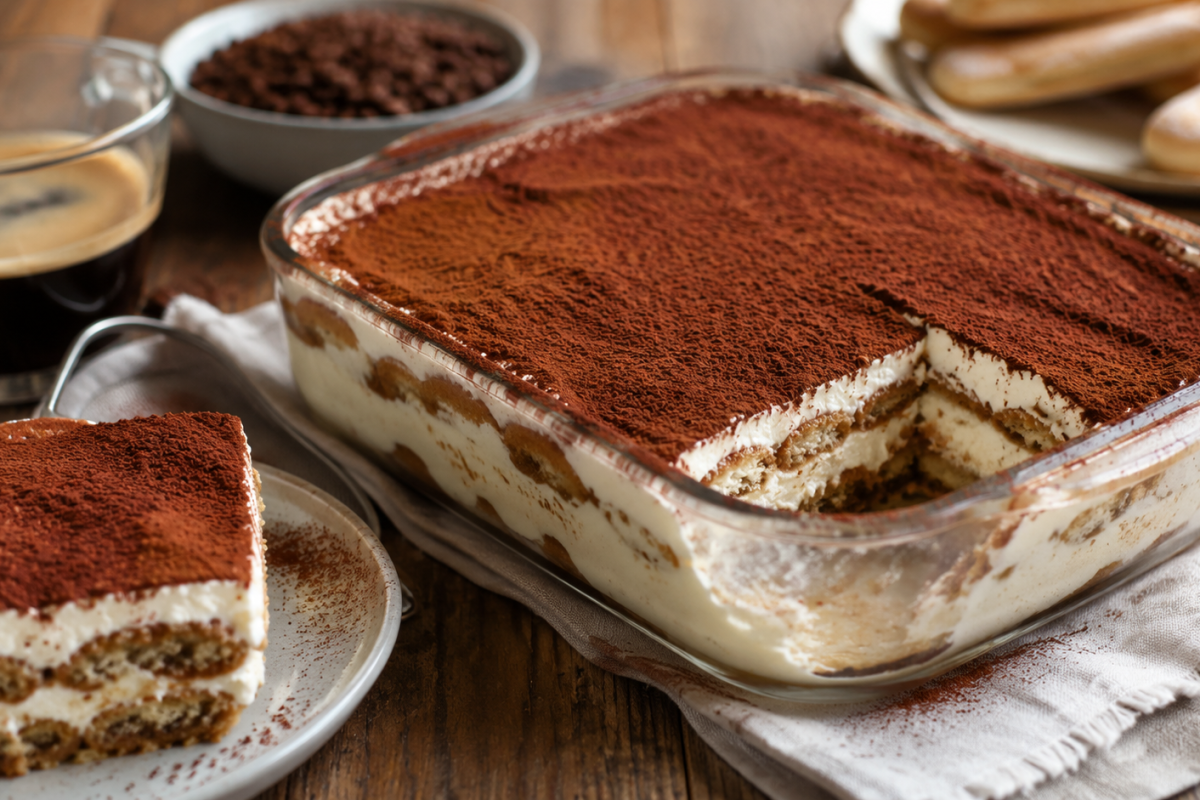
A proper homemade tiramisu depends on balance more than decoration. The dessert should taste rich without becoming heavy, carry a deep espresso aroma without excessive bitterness, and keep clean layers after slicing. Authentic tiramisu relies on a short list of ingredients, but each component affects texture directly. Mascarpone creates creaminess, espresso adds structure and bitterness, and savoiardi cookies absorb moisture while keeping the dessert stable after chilling, аs noted by customreceipt.com.
Many modern recipes simplify the process with whipped cream, sponge cake, or flavored syrups. Those shortcuts usually produce a sweeter and denser result that loses the contrast between coffee-soaked biscuits and airy mascarpone filling. A traditional authentic tiramisu recipe improves after several hours in the refrigerator because the espresso slowly spreads through the layers while the cream stabilizes naturally.
The dessert also fits into a broader category of coffee-based European sweets that depend on ingredient quality rather than baking complexity. Readers interested in espresso preparation techniques can also explore How to Make Iced Coffee at Home: 5 Easy Methods, especially when experimenting with different roast profiles for tiramisu.
What Makes Traditional Italian Tiramisu Different
Tiramisu became internationally popular during the second half of the twentieth century, most commonly associated with northern Italy and the Veneto region. Unlike heavily decorated pastries, tiramisu focuses almost entirely on texture and flavor contrast. The cream should remain light but structured, while the coffee-soaked layers stay soft without collapsing.
Authentic tiramisu traditionally contains:
- Mascarpone cheese
- Espresso coffee
- Savoiardi ladyfinger cookies
- Eggs
- Sugar
- Cocoa powder
Cream cheese is not considered traditional because it introduces acidity that changes the flavor profile completely. Authentic mascarpone has a smoother texture and higher fat content, allowing the filling to remain creamy without becoming dense.
The Accademia Italiana della Cucina documents several regional tiramisu interpretations that continue to rely on espresso and mascarpone rather than modern shortcuts.
| Traditional Tiramisu | Common Shortcut Versions |
|---|---|
| mascarpone | cream cheese |
| espresso | instant coffee |
| savoiardi | sponge cake |
| egg-based cream | whipped cream filling |
| cocoa powder | chocolate syrup |
The espresso itself matters more than many recipes suggest. Weak brewed coffee disappears once chilled, while concentrated espresso keeps its aroma even after refrigeration. Similar ingredient-focused cooking methods also appear in recipes like How to Make Tom Yum at Home: Authentic Thai Soup Recipe With Fresh Ingredients, where broth strength determines the final balance of the dish.
“Tiramisu works only when bitterness, sweetness, and creaminess stay in balance.” — Italian chef Massimo Bottura discussing traditional Italian desserts.
Why Texture Matters More Than Sweetness
Many commercial tiramisu products increase sugar content to compensate for weaker coffee flavor and lower-quality dairy ingredients. Traditional tiramisu does the opposite. Espresso bitterness and cocoa powder prevent the dessert from becoming overly sweet, while whipped egg whites create lightness inside the mascarpone cream.
A successful Italian tiramisu should hold its shape on a spoon but still feel soft and airy when eaten. Dense filling usually means the mascarpone was overmixed or replaced with heavier ingredients.
Ingredients for Homemade Tiramisu
One reason tiramisu became so popular among home cooks is the relatively simple ingredient list. The dessert requires no baking and depends more on timing and assembly than advanced pastry skills.
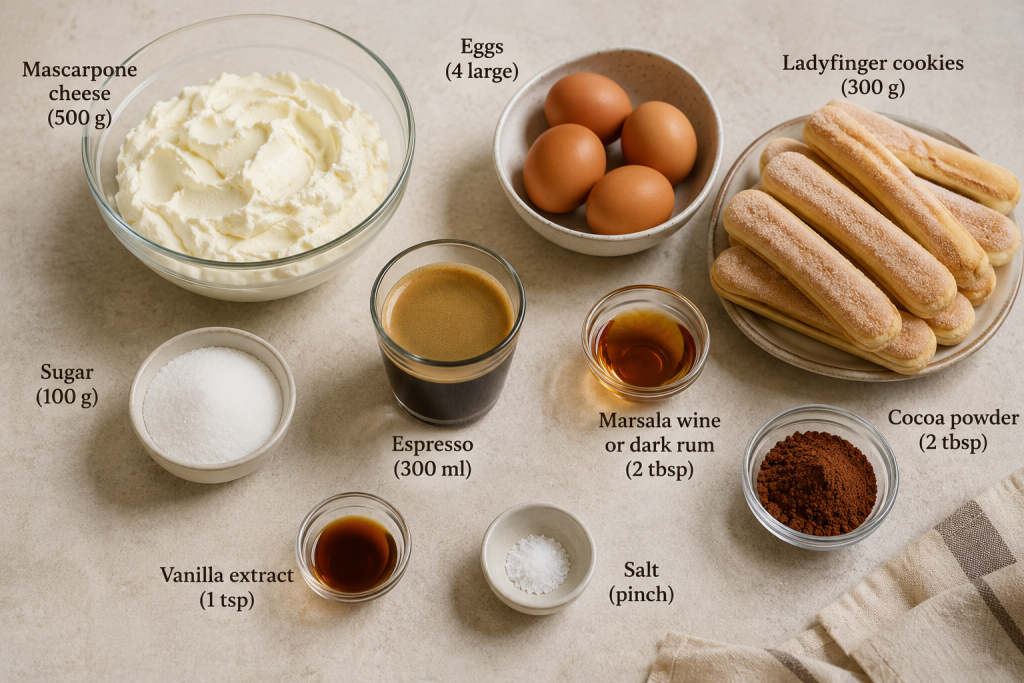
Ingredients for 8 Servings
- 500 g mascarpone cheese
- 300 g savoiardi ladyfinger cookies
- 4 large eggs
- 100 g granulated sugar
- 300 ml freshly brewed espresso
- 2 tbsp unsweetened cocoa powder
- 2 tbsp Marsala wine or dark rum
- 1 tsp vanilla extract
- Pinch of salt
Ingredient quality affects tiramisu more than expensive equipment. Fresh mascarpone produces a cleaner dairy flavor, while freshly brewed espresso creates deeper aroma during refrigeration. Planning ingredients carefully also helps reduce dessert costs, especially when buying imported mascarpone or espresso beans. Budget-conscious kitchen planning techniques discussed in How to Save Money on Groceries: 15 Practical Tips work especially well for desserts that rely on a small number of premium ingredients.
Optional Substitutions
Several substitutions work without ruining the dessert completely:
- Decaf espresso for reduced caffeine
- Vanilla extract instead of alcohol for tiramisu without alcohol
- Gluten-free ladyfinger cookies
- Dark chocolate shavings for stronger cocoa flavor
The best coffee for tiramisu is dark roast espresso with low acidity and concentrated aroma. Moka pot coffee also works well because it produces a strong flavor without excessive bitterness.
The Italian Espresso National Institute outlines official espresso preparation standards that closely match the coffee profile traditionally used in tiramisu recipes.
Step-by-Step Authentic Tiramisu Recipe
The structure of tiramisu depends heavily on preparation order. Most texture problems appear because ingredients become too warm, cookies absorb too much coffee, or the cream loses air during mixing.
1. Prepare the Espresso
Brew approximately 300 ml of espresso and allow it to cool fully before assembly. Warm coffee softens the cookies too quickly and can partially melt the mascarpone filling.
If using Marsala wine or dark rum, combine it with the cooled espresso.
2. Separate the Eggs
Place egg yolks and whites into separate bowls. Even a small amount of yolk inside the whites can reduce whipping volume and create a denser filling later.
Cold eggs separate more cleanly, though room-temperature whites whip more efficiently.
3. Make the Mascarpone Cream
Whisk egg yolks with sugar until the mixture becomes pale and thick. Properly whipped yolks should form soft ribbons when lifted with a whisk.
Add mascarpone gradually while mixing slowly. Overmixing often breaks the cream and creates excess liquid. The final consistency should look glossy and smooth rather than stiff.
4. Whip the Egg Whites
Add a pinch of salt and whip the whites until stiff peaks form. The texture should appear shiny and stable without dryness.
Fold the whites gently into the mascarpone mixture using a spatula. Fast stirring removes air and creates a heavy cream texture.
5. Dip the Ladyfinger Cookies
Quickly dip each biscuit into espresso for one or two seconds per side. Savoiardi absorb liquid rapidly, which is why prolonged soaking often ruins an otherwise good easy tiramisu recipe.
The cookies should feel moist outside while remaining slightly dry in the center.
6. Build the Layers
Arrange the dipped ladyfingers across the bottom of the dish. Spread half of the mascarpone cream evenly over the first layer, then repeat the process with another layer of cookies and cream.
Avoid pressing heavily while smoothing the surface because compression removes air from the filling.
7. Chill Before Serving
Cover the dessert and refrigerate for at least six hours, though overnight chilling produces significantly better texture. During refrigeration, espresso flavor spreads through the cookies while the cream stabilizes naturally.
Dust cocoa powder over the top immediately before serving.
Common Mistakes That Ruin Tiramisu
Most tiramisu failures come from moisture imbalance rather than ingredient quality. Excess liquid destroys layer structure quickly.
The Most Common Problems
- Over-soaked cookies create a wet center
- Warm mascarpone produces runny filling
- Weak coffee removes bitterness
- Overmixed cream becomes dense
- Excess sugar masks espresso flavor
- Under-whipped egg whites flatten the filling
- Skipping refrigeration prevents proper layering
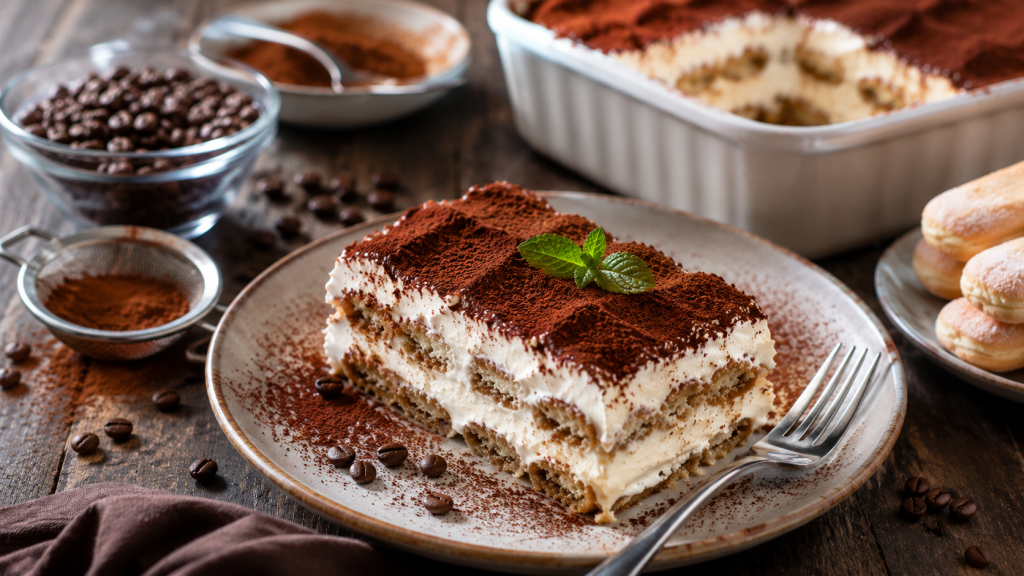
Texture should remain consistent from the top layer to the bottom. A proper tiramisu slice keeps visible layers without leaking liquid across the plate.
Signs of Proper Texture
A successful tiramisu should:
- Hold clean layers after slicing
- Taste balanced rather than sugary
- Maintain strong espresso aroma
- Stay creamy without collapsing
- Feel light despite high fat content
Many cooking routines that improve consistency in desserts also apply to broader kitchen organization habits. Structured preparation methods similar to those described in How to Fold a Fitted Sheet: Easy Step-by-Step Method help simplify layered desserts that require careful assembly and refrigeration timing.
Best Variations of Tiramisu
Traditional tiramisu remains the standard version, but several variations adapt well without losing the dessert’s core structure.
Tiramisu Without Alcohol
Many Italian households prepare tiramisu without Marsala wine, especially when serving children. Replacing alcohol with vanilla extract or additional espresso preserves the original balance surprisingly well.
This version often tastes slightly cleaner because coffee aroma becomes more dominant.
Chocolate Tiramisu
Chocolate tiramisu adds dark chocolate between cream layers or incorporates cocoa directly into the mascarpone mixture. Dark chocolate works best because it strengthens bitterness instead of increasing sweetness.
Recommended additions include:
- Chocolate curls
- Cocoa nibs
- Espresso ganache
- Chocolate-covered espresso beans
Strawberry Tiramisu
Strawberry tiramisu replaces espresso with berry syrup or fresh strawberry puree. The cream structure usually remains unchanged, though the dessert becomes lighter and more acidic.
Fresh strawberries work better than frozen berries because excess liquid can destabilize the layers during refrigeration.
Individual Tiramisu Cups
Serving tiramisu in small glasses or jars changes presentation while preserving traditional texture.
Advantages include:
- Faster chilling
- Cleaner serving
- Better portion control
- Improved layer visibility
Desserts prepared in advance also fit naturally into slower evening cooking routines and relaxed home dining habits similar to those discussed in How to Start Meditating: A Beginner Guide to Daily Practice, where preparation and pacing influence the overall experience.
How to Store Tiramisu Properly
Tiramisu often tastes better on the second day because refrigeration allows coffee aroma and mascarpone cream to integrate more evenly. Proper storage prevents the dessert from absorbing surrounding refrigerator odors and losing texture.
Refrigerator Storage
Store tiramisu covered for up to three days. Airtight wrapping helps preserve both moisture balance and espresso aroma.
Cocoa powder should ideally be added shortly before serving because refrigeration softens the dry cocoa layer.
Freezing Instructions
Tiramisu freezes surprisingly well when wrapped correctly.
For best results:
- Freeze without cocoa topping
- Wrap tightly in plastic wrap
- Store for up to two months
- Defrost overnight in the refrigerator
Frozen tiramisu becomes slightly firmer but generally keeps its flavor and structure.
Food Safety With Raw Eggs
Traditional recipes use raw eggs, which creates safety concerns for some households. Pasteurized eggs provide the safest alternative without significantly changing texture.
The U.S. Food & Drug Administration recommends pasteurized eggs for desserts containing uncooked egg mixtures. Official guidance appears on the FDA egg safety page.
FAQ
Can tiramisu be made without raw eggs?
Yes. Pasteurized eggs or cooked zabaglione-style yolks provide safer alternatives while maintaining traditional texture.
Can I use cream cheese instead of mascarpone?
Cream cheese creates a denser and more acidic filling than authentic mascarpone.
How long should tiramisu chill before serving?
At least six hours. Overnight refrigeration produces cleaner slices and deeper flavor.
Can tiramisu be frozen?
Yes. Properly wrapped tiramisu freezes well for up to two months.
What coffee works best for tiramisu?
Dark roast espresso or moka pot coffee provides the strongest flavor balance.
Why did my tiramisu turn watery?
The most common causes are over-soaked ladyfingers, warm mascarpone, or overmixed cream.
Earlier we wrote about How to Whiten Teeth Naturally: Safe Methods and Home Remedies