 Frank Rondel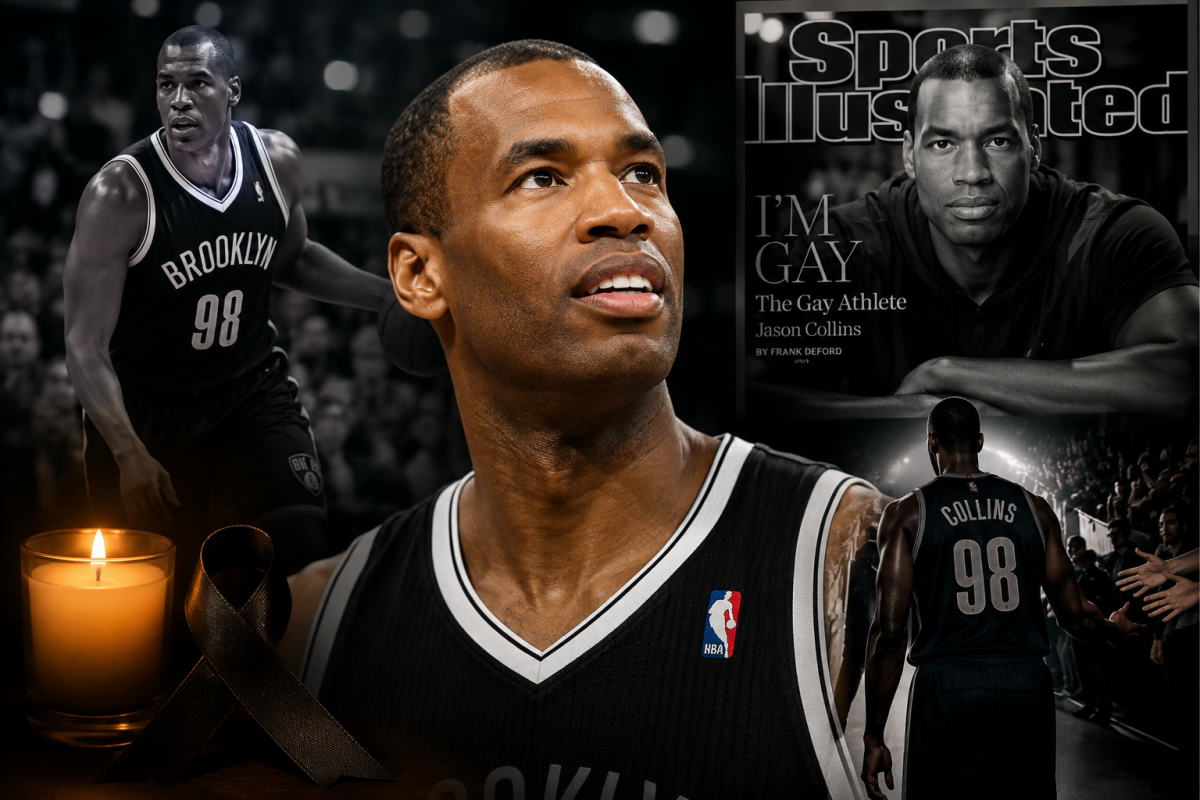
Jason Collins dies at 47 after a long battle with an aggressive form of brain cancer, marking a painful moment for the NBA and the wider sports world. Collins became one of the most influential athletes in modern American sports history after publicly coming out in 2013. His decision changed conversations around sexuality in professional basketball and inspired countless athletes across different leagues. Former teammates, coaches, and fans reacted with emotional tributes following the announcement on Tuesday. As noted by customreceipt.com, Collins’ legacy extends far beyond basketball statistics and championship pursuits.
Jason Collins changed NBA history forever
Jason Collins built a respected NBA career through discipline, defense, and leadership inside the locker room. He played 13 seasons in the league and represented teams including the New Jersey Nets, Boston Celtics, Washington Wizards, Atlanta Hawks, and Brooklyn Nets. While he never became a scoring superstar, coaches trusted him in difficult defensive situations and playoff battles. His professionalism earned respect from teammates throughout the league. Many analysts described him as one of basketball’s most dependable role players during the 2000s.
In 2013, Collins made international headlines after revealing he was gay in a historic interview with Sports Illustrated. The story immediately became a turning point in professional sports culture. At the time, no active male athlete in the NBA, NFL, MLB, or NHL had publicly come out. The announcement generated global discussion and received support from athletes, politicians, celebrities, and civil rights groups.
Several NBA stars publicly defended Collins after his announcement:
- Kobe Bryant praised his courage and leadership
- LeBron James called the moment important for sports culture
- Steve Nash described Collins as an outstanding teammate
- Commissioner Adam Silver later credited Collins with helping modernize the NBA image
The reaction demonstrated how dramatically attitudes inside professional sports had evolved compared to earlier decades. Collins became a visible symbol of inclusion during a transformative period in American sports.
NBA career built on defense and discipline
Unlike many NBA stars, Collins earned his reputation without flashy scoring performances. He focused on defensive positioning, rebounding, and team structure. Coaches frequently assigned him to defend stronger opposing centers during critical games. His basketball intelligence allowed him to stay valuable despite limited offensive production.
During his career, Collins appeared in more than 700 NBA games. He reached the NBA Finals with the New Jersey Nets in 2002 and 2003. Those Nets teams, led by Jason Kidd, became one of the Eastern Conference’s strongest groups at the time. Collins often handled difficult defensive assignments against dominant interior scorers.
Below is a quick overview of Collins’ NBA journey:
| Team | Years | Notable Achievement |
|---|---|---|
| New Jersey Nets | 2001–2008 | Reached NBA Finals twice |
| Memphis Grizzlies | 2008 | Veteran defensive presence |
| Minnesota Timberwolves | 2008–2009 | Frontcourt rotation player |
| Atlanta Hawks | 2009–2011 | Playoff contributor |
| Boston Celtics | 2011–2012 | Veteran leadership |
| Washington Wizards | 2012–2013 | Defensive depth |
| Brooklyn Nets | 2014 | Returned after historic announcement |
Collins’ return to the NBA after publicly coming out carried enormous symbolic meaning. Many experts believed teams would avoid controversy by not signing him. Instead, the Brooklyn Nets brought him back during the 2013–14 season. That move became one of the league’s strongest public statements supporting inclusion.
After the table, it is important to remember that Collins never measured success through personal awards alone. He repeatedly emphasized teamwork and professionalism during interviews. Former coaches often highlighted his preparation habits and defensive communication.
Brain cancer battle shocked the basketball world
Reports confirmed that Jason Collins died following a battle with aggressive brain cancer. Details about the illness remained largely private during the final stage of his life. Friends close to the family described the former player as resilient and optimistic even during difficult treatments. The news shocked many former NBA figures who had worked with Collins during his career.
NBC correspondent Kaylee Hartung reflected on Collins’ influence in a televised tribute. Sports broadcasters across the United States interrupted regular programming to discuss his legacy. Social media also filled with reactions from athletes who described Collins as courageous both on and off the court.
Many fans remembered not only his public advocacy but also his calm personality. Former teammates repeatedly described him as thoughtful, intelligent, and supportive. Those qualities helped him become a respected figure after retirement as well.
Several organizations also released official statements after his death:
- NBA officials praised his historic impact
- LGBTQ advocacy groups honored his activism
- Former franchises shared emotional tributes online
- Sports journalists recalled the importance of his 2013 interview
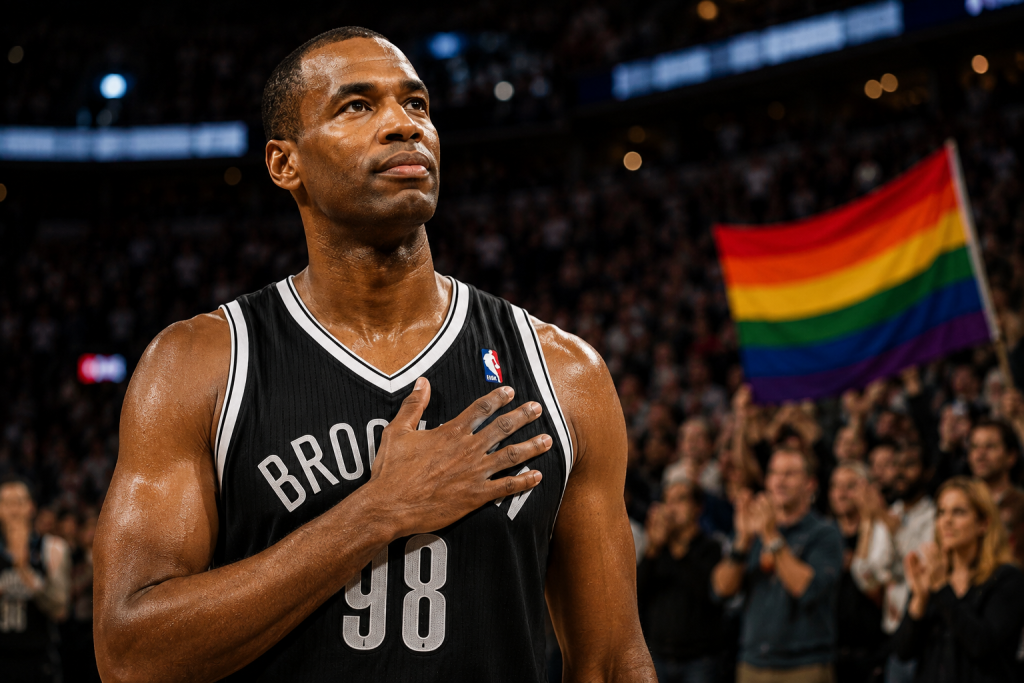
These tributes showed how Collins’ influence stretched beyond basketball arenas. His story became part of a broader cultural movement inside professional sports.
Why Jason Collins’ story still matters today
The importance of Jason Collins’ legacy remains significant more than a decade after his historic announcement. Today, more athletes openly discuss mental health, identity, and personal struggles. Collins helped create an environment where such conversations became more accepted in professional sports. Younger athletes now face less fear about public reaction than previous generations did.
His impact also reached outside basketball. Universities, advocacy groups, and sports organizations regularly referenced Collins when discussing diversity and inclusion initiatives. He became a speaker at public events and often encouraged younger athletes to remain authentic despite external pressure.
There are several reasons why his influence continues today:
- He broke barriers in one of the world’s biggest sports leagues
- He handled intense public attention with professionalism
- He inspired future athletes to speak openly
- He helped normalize LGBTQ representation in sports
- He remained respected by teammates throughout his career
After this list, many analysts believe Collins’ courage permanently changed professional sports culture. Modern athletes now operate in a very different environment compared to the early 2000s. That transformation did not happen overnight, and Collins played a major role in that progress.
Emotional tributes continue across the sports world
Tributes continued throughout Tuesday evening as fans revisited interviews, documentaries, and memorable moments from Collins’ career. Television networks replayed footage from his famous Sports Illustrated cover story. Many sports journalists described that publication as one of the most important athlete interviews in modern history.
Former NBA players also emphasized Collins’ humanity beyond headlines. Several teammates said media attention often overshadowed his intelligence and humor. Others noted that he handled enormous pressure while continuing to behave professionally inside locker rooms and public events.
The sports world now remembers Collins for two parallel achievements. The first was his long and disciplined NBA career. The second was his willingness to openly challenge long-standing barriers inside professional athletics.
Earlier we wrote that iOS 26.5 Brings Encrypted RCS Messaging, Apple Maps Ads and Faster Android Transfers