 Frank Rondel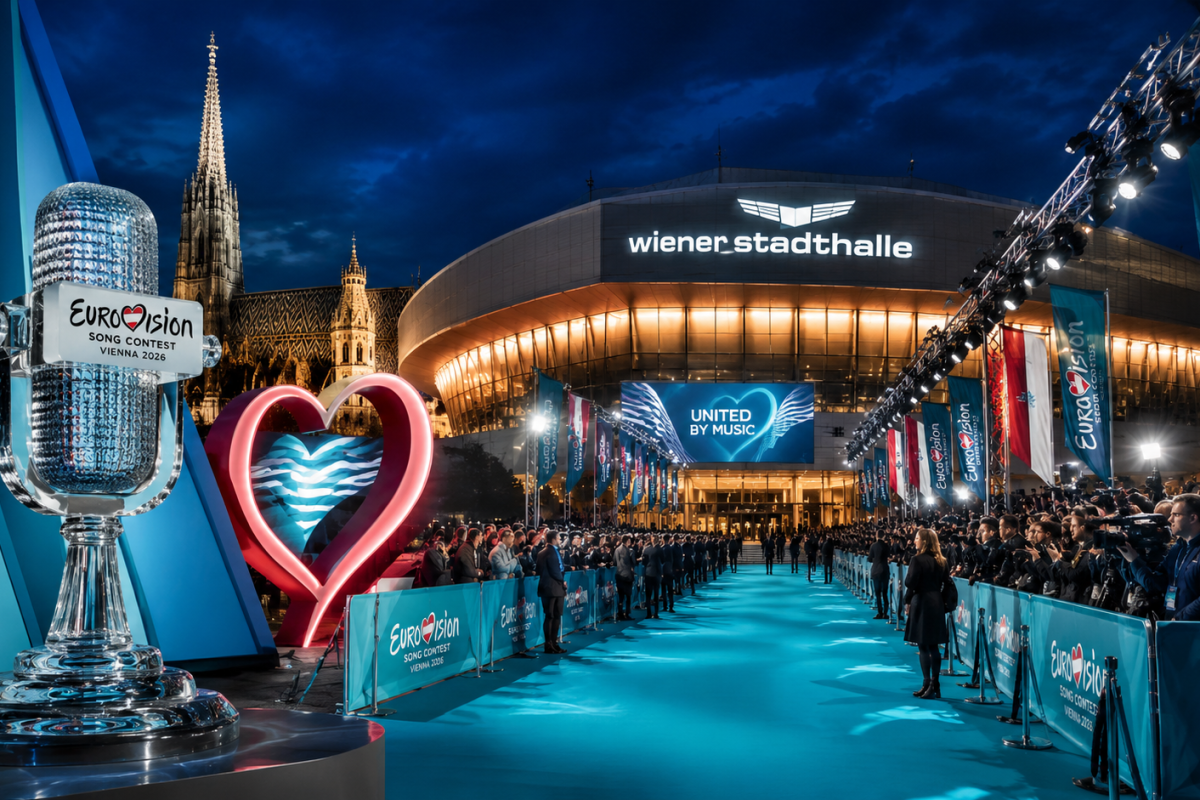
Eurovision 2026 officially opened in Vienna on May 10 with a glamorous turquoise carpet ceremony featuring artists from all 35 participating countries. Music fans across Europe and the United States followed the live event online as contestants arrived at Vienna’s iconic Wiener Stadthalle arena. The international competition already dominates entertainment trends and social media discussions ahead of the semifinals and grand final. As highlighted by customreceipt.com, this year’s contest attracts strong American interest thanks to streaming platforms and growing Eurovision audiences in the U.S.
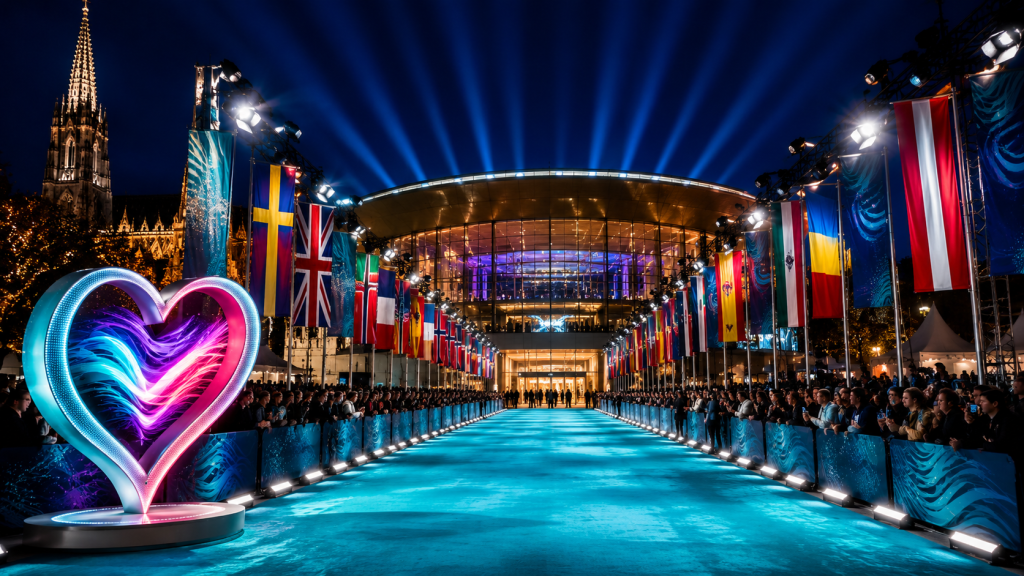
The opening ceremony introduced performers, delegations, and media representatives before the main competition week. Cameras followed artists along the turquoise carpet while fans gathered outside the arena despite rainy evening weather in Austria. Organizers described this year’s edition as one of the most technologically advanced in Eurovision history. Producers also promised larger stage productions and cinematic live performances.
Vienna turns into the center of Eurovision 2026
Vienna once again became the heart of European pop culture after winning hosting rights for the competition. The Austrian capital previously hosted Eurovision in 2015 and received praise for organization and audience engagement. This year, tourism officials expect tens of thousands of visitors during Eurovision week. Hotels near the arena reported extremely high occupancy rates several weeks before the event.
The atmosphere around Wiener Stadthalle already resembles a global music festival rather than a traditional TV contest.
Fans traveled from countries including Sweden, Spain, the United Kingdom, Ukraine, and Australia. American Eurovision communities also organized viewing events in New York, Los Angeles, and Baltimore. Social media platforms showed strong engagement during the opening ceremony. The hashtag “Eurovision 2026” quickly entered trending sections on X and TikTok.
Before the semifinals begin, organizers released the official competition schedule:
| Event | Date | Venue |
|---|---|---|
| Opening Ceremony | May 10 | Wiener Stadthalle |
| First Semifinal | May 12 | Wiener Stadthalle |
| Second Semifinal | May 14 | Wiener Stadthalle |
| Grand Final | May 16 | Wiener Stadthalle |
The schedule confirms an intense week for performers and broadcasters. International media outlets already stationed hundreds of journalists in Vienna for coverage. Broadcasters also increased digital streaming infrastructure due to rising global demand.
Ukrainian singer LELÉKA draws major attention
One of the most discussed participants during the opening ceremony was Ukrainian representative LELÉKA, whose real name is Viktoriia Leleka. She appeared on the turquoise carpet wearing a modern outfit inspired by traditional Ukrainian elements. Fans immediately reacted positively across Instagram and YouTube livestream chats.
The Ukrainian delegation emphasized cultural identity and emotional storytelling before the competition even started. Several Eurovision bloggers already called Ukraine one of the strongest visual contenders this year. Analysts also noted the country’s consistent success in audience voting.
“Ukraine always brings emotion and authenticity to Eurovision,” one European music commentator said during the livestream.
The singer briefly greeted journalists and thanked international supporters during interviews. Her appearance generated millions of online impressions within hours. U.S. Eurovision communities especially praised her vocal previews released before rehearsals.
Why Eurovision keeps growing in the United States
For years, Eurovision remained mostly unknown to mainstream American audiences. However, streaming access and viral performances changed that trend dramatically. Platforms such as Peacock and YouTube helped introduce the contest to younger viewers in the United States.
Several factors explain Eurovision’s growing popularity in America:
- Large-scale live performances with cinematic staging
- International music diversity and multilingual songs
- Viral moments shared through TikTok and Instagram
- Strong LGBTQ+ audience engagement
- Interactive fan communities and live voting culture
Music industry experts believe Eurovision now influences global pop trends more than ever before. Record labels increasingly monitor contestants for international contracts. Some former Eurovision artists later achieved success in American streaming charts.
After the list above, industry analysts stressed another important point. Eurovision offers something different from traditional American reality television. The competition focuses more on artistic identity and national representation than celebrity drama.
Security and production preparations intensify in Vienna
Austrian authorities increased security measures around Wiener Stadthalle ahead of the semifinals. Police units monitored crowd areas near the arena throughout the opening ceremony. Organizers confirmed enhanced security coordination with European agencies due to the scale of the event.
Meanwhile, production teams continued rehearsals inside the arena during the evening. Technical crews tested advanced lighting systems, camera drones, and interactive LED effects. According to organizers, this year’s stage includes one of the largest moving screen structures ever used in Eurovision.
Eurovision live stream traffic also increased significantly during rehearsals. Broadcasters prepared additional online servers to avoid interruptions during peak viewing hours. Analysts expect the grand final audience to exceed 180 million viewers worldwide.
Industry insiders believe Eurovision now functions as both a television event and a global digital phenomenon.
Several music journalists compared its modern influence to major American entertainment franchises. The contest also continues attracting younger demographics through social-first marketing strategies.
What viewers can expect before the grand final
The first semifinal on May 12 will determine part of the final lineup. The second semifinal follows on May 14 before the grand final takes place on May 16. Betting markets already show intense competition among several countries, including Sweden, Italy, Ukraine, and France.
Fans should also expect heavy online activity during rehearsals this week. Eurovision organizers plan backstage interviews, exclusive livestreams, and fan interaction events. Digital creators from the United States also traveled to Vienna to produce content for TikTok and YouTube audiences.
Before the final weekend, experts recommend following official Eurovision channels for verified updates:
- Performance running orders
- Rehearsal previews
- Voting information
- Streaming schedules
- Artist interviews
After the rehearsals conclude, bookmakers may significantly adjust odds depending on stage reactions and jury feedback. Historically, strong rehearsal clips often influence public perception before voting begins.
Earlier we wrote that What Is Inside the Pentagon UFO Files? Declassified UAP Documents and Roswell Records Go Public